UK–Turkey Trade Hits £28.3bn as FTA Talks Continue
Trade between the two countries remains substantial while talks on an updated trade agreement continue. For Turkish investors considering the UK, access to finance is one of the first practical questions.
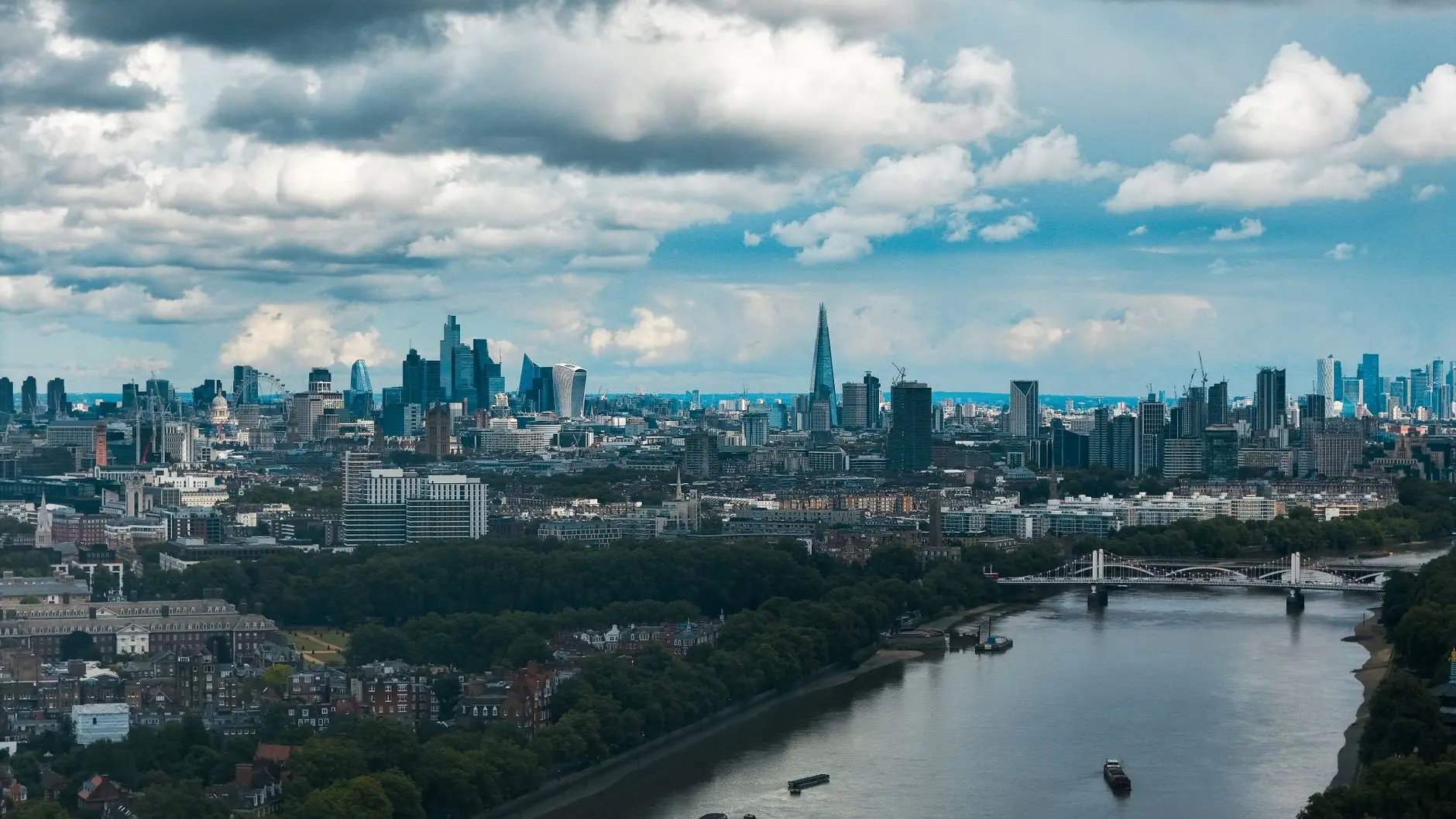
Trade between the United Kingdom and Türkiye was worth £28.3 billion in the four quarters to the end of June 2026, according to figures published by the UK Department for Business and Trade. The total was 2.6 per cent higher than in the preceding four-quarter period, and services trade grew much faster than goods. For Turkish investors considering the UK, the figures come as negotiations on an updated free trade agreement continue and as interest widens from residential property to commercial assets and operating businesses.
Key takeaways
- UK–Türkiye trade reached £28.3 billion in the year to June 2026, up 2.6%; services trade rose 18.7% to £8.5 billion, about 30% of the total.
- The sixth round of talks on an updated UK–Türkiye free trade agreement took place in London from 28 September to 2 October; no agreement has been reached yet.
- Turkish investors are looking beyond residential property, and finance specialists advise arranging funding before committing to a deal.
What the latest UK figures show
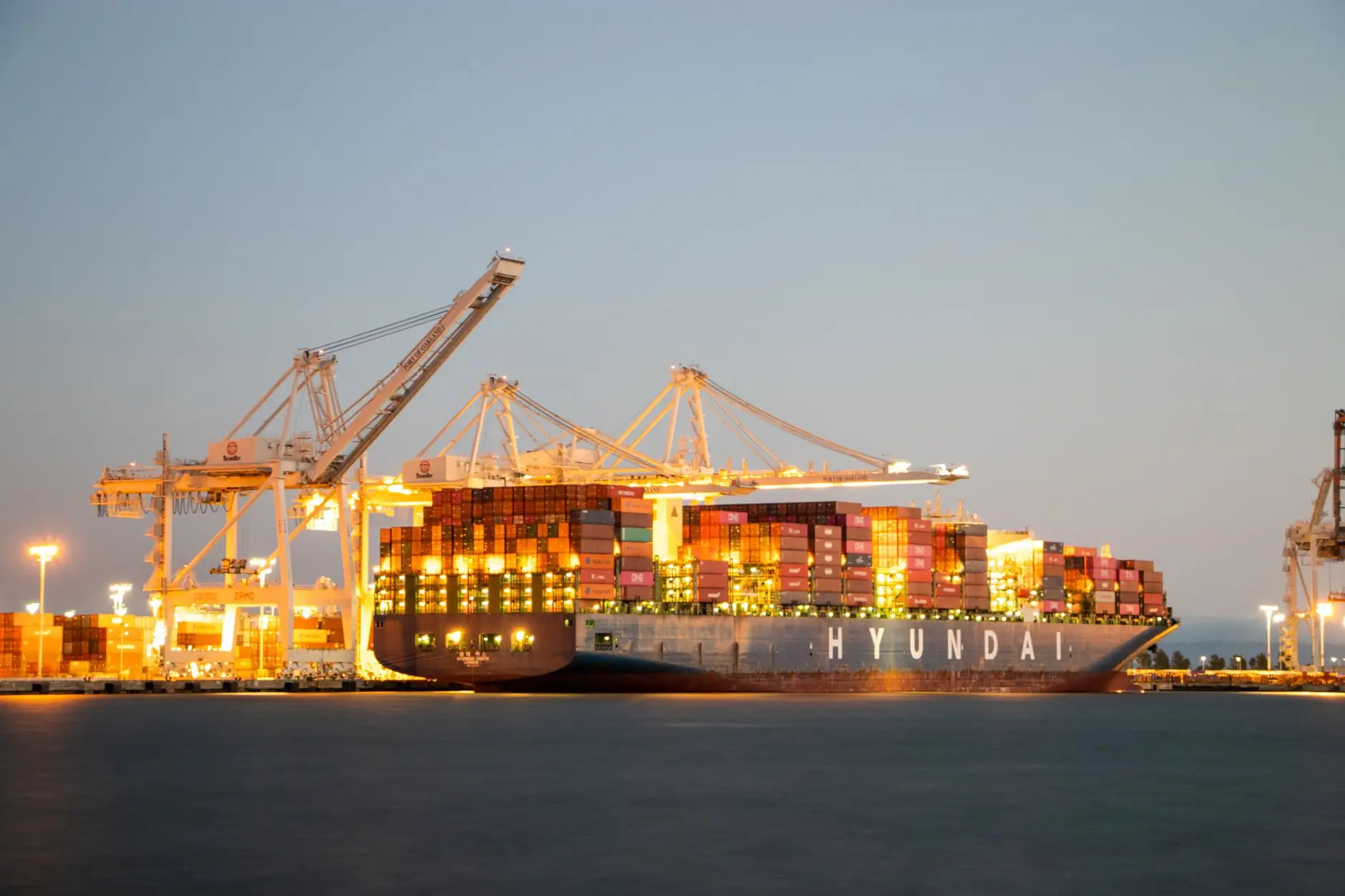
The figures point to a relationship that extends well beyond the exchange of manufactured goods. Services trade reached £8.5 billion, accounting for around 30 per cent of the total and increasing by 18.7 per cent over the period. Goods trade, at £19.8 billion, fell by 3.1 per cent.
The balance is also shifting. UK exports to Türkiye rose 12.4 per cent to £11.0 billion, helped by a 26.8 per cent increase in services exports, while UK imports from Türkiye fell 2.8 per cent to £17.3 billion. Türkiye was the UK's 19th largest trading partner over the period, accounting for 1.5 per cent of total UK trade, according to the department's factsheet.
Investment remains smaller than trade. At the end of 2024 the stock of UK direct investment in Türkiye stood at £9.5 billion, while Turkish direct investment in the UK was £1.1 billion.
Guide:Turkish Citizenship by Investment 2026: Complete Guide
Free trade agreement talks continue
The two governments are also working to update the framework governing that relationship. The sixth round of negotiations on a UK–Türkiye free trade agreement took place in London between 28 September and 2 October. Discussions covered goods and services, investment, digital trade, intellectual property and government procurement. A further round is expected in the coming months.
An agreement has yet to be reached. But the negotiations come at a time when businesses on both sides are considering how to deepen their commercial presence in each other's markets. Importers buying from Türkiye today trade under the existing UK–Türkiye agreement; our guide on importing from Türkiye to the UK after Brexit explains how duties and rules of origin currently work.
Turkish investors are looking beyond residential property
For some Turkish investors, the UK has long been associated with residential property. That picture is becoming less complete.
Serkan Osman, director of London-based Global Finance Partners, says the Turkish clients his firm works with are considering a wider range of investments. These include commercial property, hospitality, student accommodation, logistics facilities and businesses with established corporate tenants.
He also points to a broader set of motivations. For some families and business owners, investing in Britain is not simply a property decision. It can form part of a plan to diversify assets, expand business operations internationally or make longer-term arrangements for the next generation.
The distinction matters because the financing requirements of these investments can be quite different. Buying a home, acquiring a commercial building and taking a stake in an operating company do not follow the same lending process.
Financing before the deal
For investors based in Türkiye, one of the first questions is whether an overseas acquisition has to be funded entirely with their own capital.
Osman says it does not necessarily have to be. Depending on the borrower, the asset and the structure of the transaction, financing may be available in the country where the investment is being made. Options can include residential or commercial mortgages, lending secured against existing assets, corporate loans and acquisition finance. Larger transactions may involve several lenders.
The appropriate route depends on the circumstances of each case. A company's financial position, the investor's assets and liabilities, the nature of the proposed purchase and the country in which it is taking place all affect what may be available.
What UK lenders look at
For non-resident buyers in the UK, lenders will typically examine income, existing financial commitments, credit history and the source of the deposit and wider wealth. They will also assess the property, the requested loan-to-value ratio and how repayments are expected to be made.
Overseas income can make the assessment more involved. A borrower earning in Turkish lira, for example, may be assessed differently from one whose income is in sterling. The applicant's country of residence, the currency of their income and the supporting documents can all influence the options available.
The ownership structure is another consideration. Buying personally or through a company can lead to different lending criteria, depending on the lender and the transaction.
Common mistakes
Osman says one mistake he encounters is that financing is sometimes considered only after an asset has been identified or commercial terms have been agreed. By then, an investor may have committed to a timetable without knowing whether the proposed funding is realistic.
Documentation can cause similar difficulties. Applications involving several countries, bank accounts and sources of income require a clear and consistent picture of the borrower's finances. Requirements also differ between lenders, so assumptions based on the rules in one market may not hold in another.
His advice is to speak to finance specialists before making commitments, rather than treating funding as the final step in an acquisition.
Beyond property: yachts, shipping and infrastructure
The range of financing needs among international investors is wider than the property market. Osman says his firm's work also includes yacht and private aviation finance, as well as lending secured against works of art. On the corporate side, it covers company acquisitions, shipping and large development projects.
For Turkish companies, the international dimension is particularly relevant in construction and infrastructure. Contractors operating across the Middle East, Africa, Asia, Europe and the Americas may need funding for property developments, energy investments, industrial facilities and major transport projects.
These transactions can require more than a conventional bank loan. Depending on their size and structure, they may involve project finance, structured lending or syndicated facilities arranged with several financial institutions. Shipping companies can face a different set of requirements, from buying new vessels and expanding fleets to refinancing existing assets.
Osman says his firm's focus is on understanding the wider transaction and identifying a suitable structure, rather than approaching each asset class in isolation. That distinction is relevant to investors moving between markets. The cost of borrowing is only one part of the calculation; ownership, currency exposure, liquidity and the purpose of the investment also need to be considered.
A relationship moving in both directions
The investment relationship between the UK and Türkiye is not a one-way flow. Turkish companies continue to look for opportunities to expand abroad, while British and other international investors assess projects in Türkiye. For companies moving the other way, our guides on company formation in Türkiye and Turkish investment incentives cover the first steps.
Osman expects cooperation to continue across property, trade, manufacturing, technology, tourism, energy and infrastructure. He also sees a need for investors to consider financing, ownership and currency risk as parts of the same decision, rather than dealing with them separately.
For now, the trade negotiations remain unfinished, and the latest figures do not by themselves show how much new investment will follow. But the scale of trade, the growth in services and the breadth of sectors under discussion give businesses on both sides a substantial base from which to work.
For Turkish investors looking at Britain, the question is increasingly not just what to buy or where to expand. It is how to structure the investment before the deal is done.
About Serkan Osman
Serkan Osman is Director of Global Finance Partners, a London-based specialist finance advisory firm. The firm works with individuals, family offices, established businesses and international investors on residential and commercial property finance, corporate lending, acquisitions, yacht and private aviation finance, art finance, shipping and major project and infrastructure transactions. Website: www.global-fp.com
Sources
- Trade and Investment Factsheet: Turkey, 6 November 2026 — UK Department for Business and Trade
- Update following negotiations on an enhanced FTA with Turkey — UK Government
- Interview responses provided by Serkan Osman, Director, Global Finance Partners
Frequently asked questions
How much trade is there between the UK and Türkiye?
Total trade in goods and services was £28.3 billion in the four quarters to the end of June 2026, up 2.6% on a year earlier, according to the UK Department for Business and Trade.
Is there a new UK–Türkiye free trade agreement?
Not yet. The two countries are negotiating an updated agreement; the sixth round took place in London from 28 September to 2 October 2026, and a further round is expected.
Can Turkish investors get a mortgage in the UK?
Financing may be available depending on the borrower, the asset and the structure. UK lenders look at income, commitments, credit history, the source of the deposit and wealth, the loan-to-value ratio and the currency of the borrower's income.
What do Turkish investors buy in the UK besides homes?
According to Global Finance Partners, Turkish clients are also considering commercial property, hospitality, student accommodation, logistics facilities and businesses with established corporate tenants.
More on this topic: Turkish Citizenship by Investment: Routes, Costs and Process