Turkey Auto Sector Warns EU Over Made in Europe Rules
Ankara urges the European Union to include Turkish manufacturers in proposed 'Made in Europe' rules, warning that exclusion could disrupt shared supply chains.
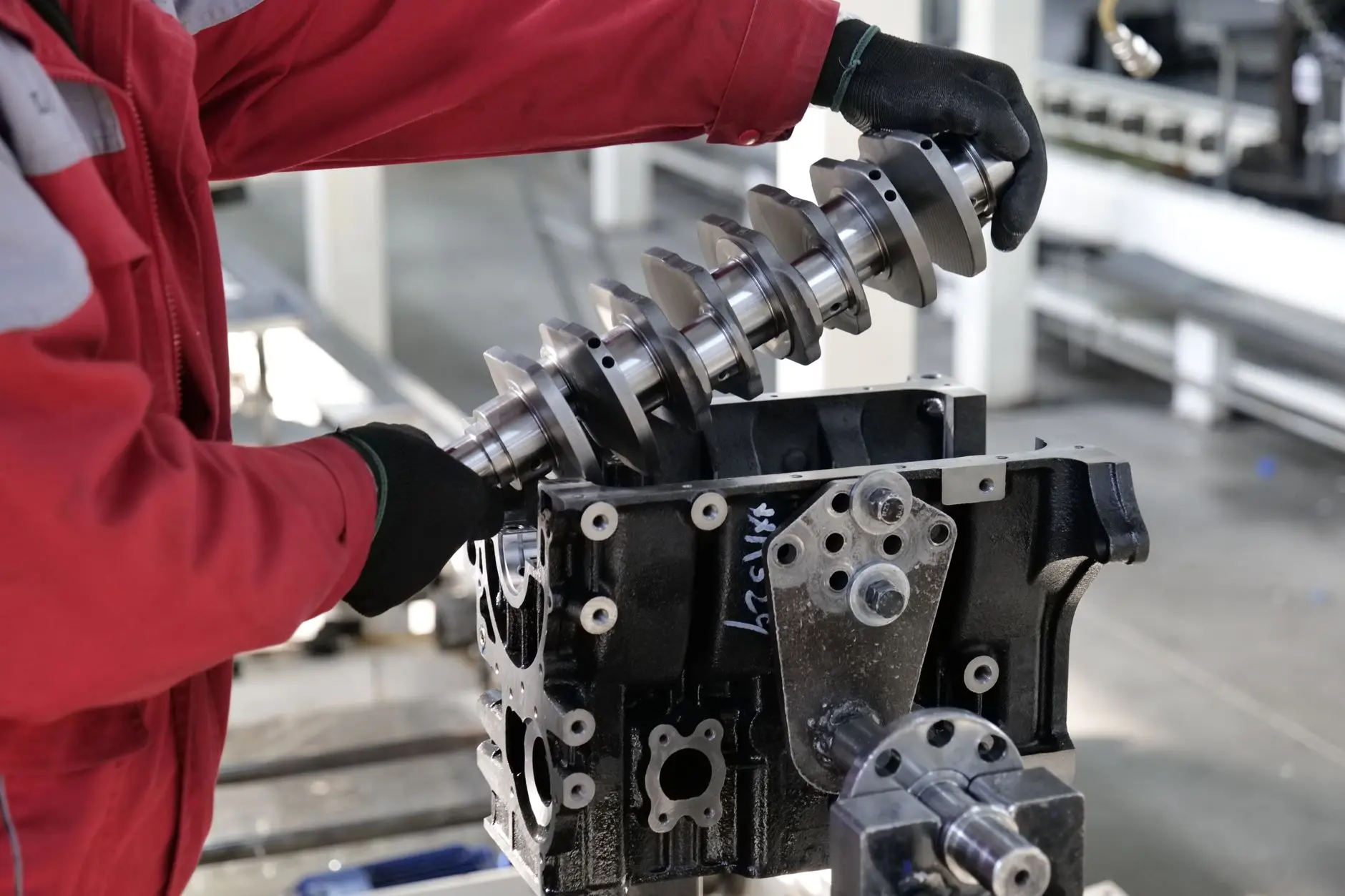
Turkey Urges EU Inclusion Under Proposed Industrial Rules
Turkey’s Trade Ministry has called on the European Union to incorporate Turkish suppliers into its emerging 'Made in Europe' industrial policies, warning that omitting the country could disrupt cross-border supply chains. According to reports from Automotive News and Daily Sabah, Turkish officials emphasize that excluding the nation’s integrated automotive and industrial sector would harm European vehicle manufacturers reliant on Turkish components. The warning comes as Türkiye continues to expand its high-tech manufacturing base, spanning commercial vehicles, advanced aerospace platforms, and expanding defense co-production agreements overseas.
Key takeaways
- Ankara is lobbying the EU to count Turkish components toward future 'Made in Europe' content quotas to protect integrated vehicle supply chains.
- Türkiye's defense and aerospace manufacturing continues to scale up, marked by new stealth drone production contracts and expanding overseas co-production deals.
- International buyers and investors face evolving supply chain dynamics driven by European trade policy shifts and domestic economic conditions.
EU Trade Policies and the Turkey Manufacturing Industry
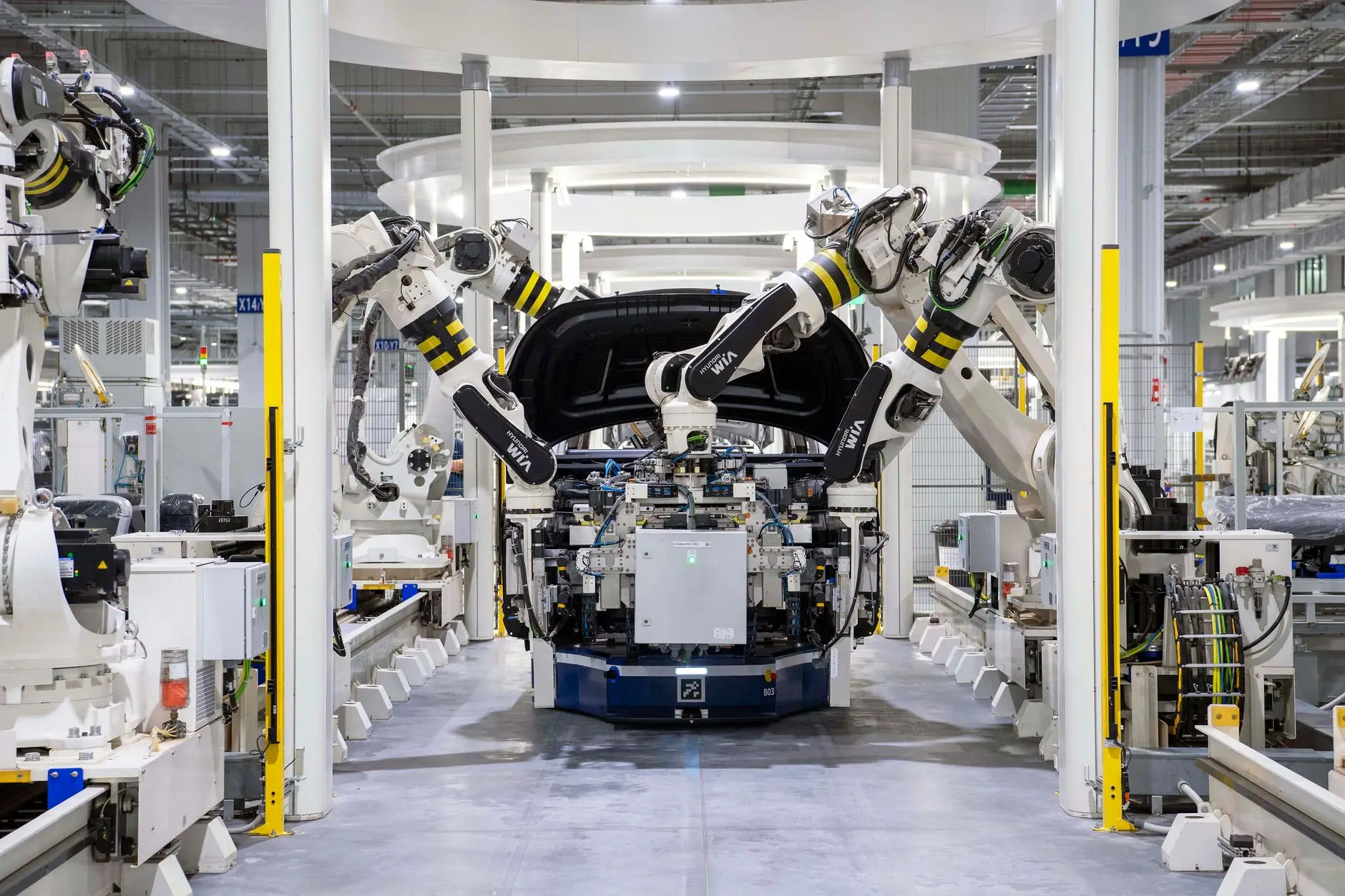
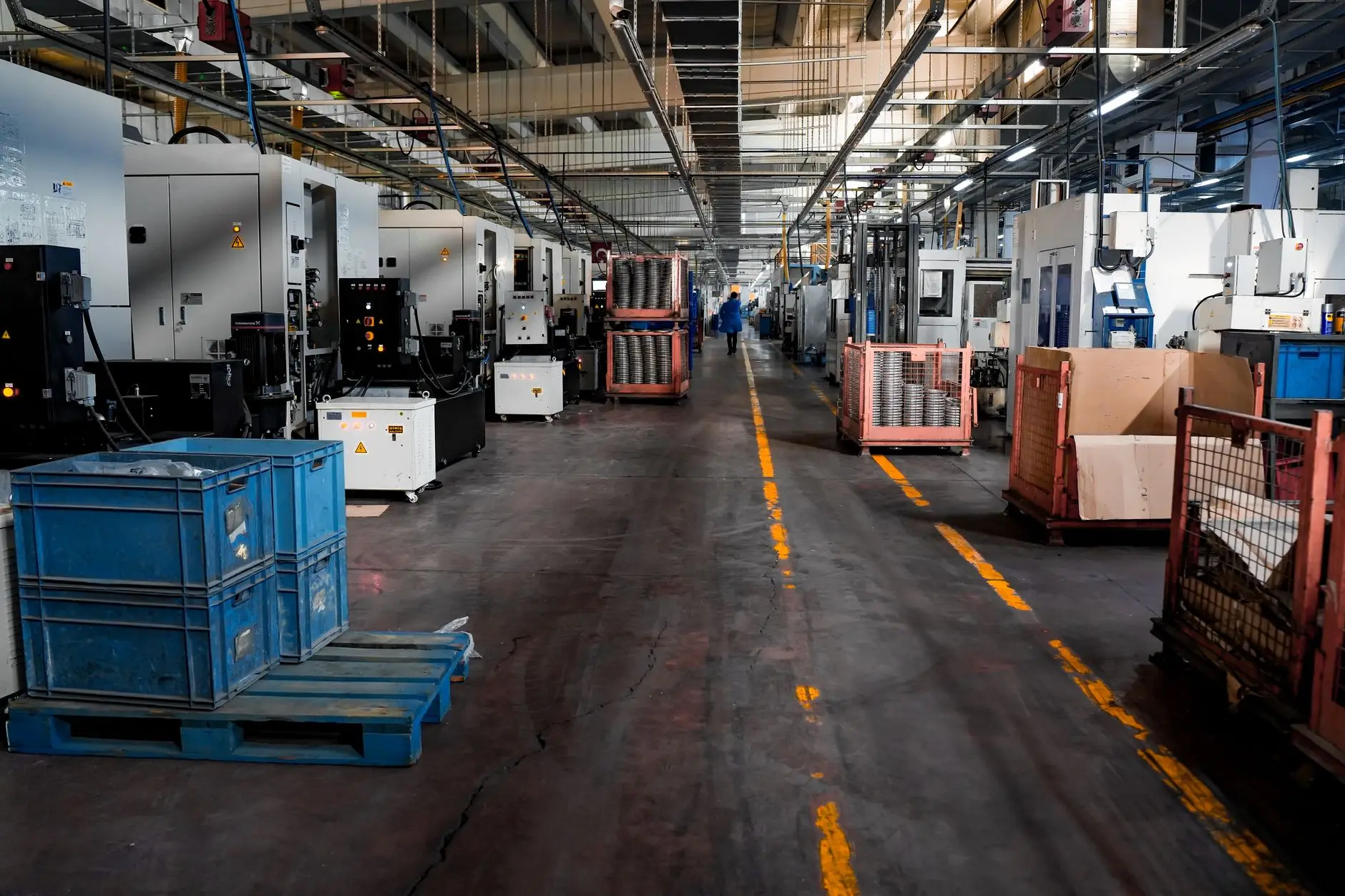
The Turkish government's intervention highlights the deep operational integration between the European Union and the turkey manufacturing industry. Under the existing Customs Union, Turkish plants serve as core manufacturing hubs for major European automotive brands and tier-one component suppliers. Daily Sabah reported that Turkish officials believe excluding Türkiye from proposed European industrial frameworks would penalize European automakers that rely on cost-effective, high-quality assemblies produced in Turkish industrial zones.
Supply chain operations in Türkiye continue to adapt to broader economic dynamics. As noted by Automotive Logistics, businesses operating in the country are navigating cost fluctuations and market volatility, making stable access to the EU internal market a top priority for exporters and joint-venture partners alike.
Defense and Aerospace Manufacturing Scaling Up Rapidly
Beyond traditional industrial goods, Türkiye's advanced manufacturing capabilities are expanding rapidly into high-tech defense and aerospace sectors. According to ssbulten.com.tr, Turkey has signed a serial production contract for 80 units of the ANKA-3 stealth combat drone, marking a major milestone in national defense production capabilities. This technological push underpins the broader industrial maturation occurring across Turkish high-value manufacturing hubs.
Guide:OEM Manufacturers in Turkey: OEM vs ODM Guide
Simultaneously, Turkish defense enterprises are expanding their global footprint through international joint ventures. The Foundation for Defense of Democracies reported that Türkiye is transitioning from direct arms sales to co-production frameworks with international partners, including growing industrial stakes in Egypt's defense manufacturing sector. These international partnerships illustrate how Turkish industrial groups are building broader regional supply chains.
What it means for foreign buyers and investors
For foreign companies sourcing components or finished goods from Türkiye, the ongoing negotiations around 'Made in Europe' status carry direct operational implications. A outcome that preserves preferential integration with the EU single market will keep supply chains streamlined for European original equipment manufacturers (OEMs) buying from Turkish suppliers.
Investors evaluating joint ventures or manufacturing facilities in Türkiye will find an ecosystem capable of handling complex engineering projects, as demonstrated by recent drone production contracts. However, corporate planners must remain attentive to regulatory changes within the EU-Türkiye Customs Union framework and factor domestic economic volatility into their long-term cost structures.
Navigating Turkish Industrial Supply Chains
Automotive and Component Sourcing
Foreign automotive brands operating in Europe depend heavily on Turkish manufacturing facilities for sub-assemblies, electronics, and stamped parts. Ensuring these components maintain compliance with evolving European origin definitions remains vital for procurement managers planning multi-year vehicle production schedules.
Defense Co-Production and Industrial Joint Ventures
Overseas firms entering defense or aerospace partnerships in Türkiye can leverage mature engineering capabilities. As Turkish firms expand co-production models across the Middle East and North Africa, foreign partners gain access to broader regional distribution networks backed by established manufacturing infrastructure.
Sources
- From Arms Sales to Co-Production: Turkey’s Growing Stake in Egypt’s Defense Industry — Foundation for Defense of Democracies
- Turkey signs serial production contract for 80 ANKA-3 stealth combat drones — ssbulten.com.tr
- Turkey’s trade minister urges EU to include it in ‘Made in Europe’ rules — Automotive News
- Political and economic volatility impacting supply chains in Türkiye — Automotive Logistics
- 'Made in Europe' plan sans Türkiye would harm EU auto industry: Ankara | Daily Sabah — Daily Sabah
Frequently asked questions
Why is Turkey seeking inclusion in 'Made in Europe' rules?
Türkiye seeks inclusion to ensure that components produced within its borders continue to qualify seamlessly for EU trade preferences and industrial quotas, protecting its automotive exporters and European supply chain integration.
How integrated is the Turkey manufacturing industry with the EU?
Türkiye is linked to the EU via a Customs Union, making it a key hub for European automakers and industrial manufacturers producing vehicles, machinery, and industrial components.
What recent developments have occurred in Turkey's defense manufacturing?
Türkiye has signed a serial production contract for 80 ANKA-3 stealth drones and is actively expanding defense co-production agreements with international partners, including projects in Egypt.
How do EU trade rules affect foreign companies operating in Turkey?
EU trade rules dictate tariff structures, local content requirements, and origin certification, directly impacting manufacturing costs and market access for foreign companies producing goods in Türkiye for export to Europe.
What factors should international procurement teams monitor in Turkey?
Procurement teams should track developments in EU-Türkiye Customs Union modernization, domestic economic policy, logistics stability, and compliance with European sourcing standards.
More on this topic: Sourcing from Turkey: Manufacturers, Suppliers and Production