Turkey Agriculture Trade and Grain Import Shifts
A sharp drop in wheat import forecasts and steady hazelnut FOB pricing highlight shifting dynamics in Türkiye's agricultural sector and trade landscape.
Türkiye's agricultural trade landscape is experiencing key shifts as global market dynamics and environmental pressures reshape supply chains. World Grain reports that Turkey's wheat imports are forecast to drop sharply, while CMB News notes that Turkish hazelnut FOB prices are holding steady even as Georgian export prices ease. These developments, alongside environmental challenges and new bilateral research incentives, carry significant implications for international agribusinesses, importers, and investors engaged in Turkish sourcing.
Key takeaways
- Wheat import decline: Turkey's wheat import volumes are projected to contract significantly, reflecting changing local demand and stock management.
- Hazelnut price stability: Turkish FOB export benchmark prices for hazelnuts remain steady despite price adjustments in neighboring producer markets like Georgia.
- Environmental & research priorities: Shrinking salt lakes threaten local ecosystems, while joint research initiatives like the TÜBİTAK–NCRD call foster regional innovation.
Shift in Agricultural Import Forecasts and Commodity Pricing
In the global grain market, trade flows are adjusting to revised demand projections and local output expectations. According to a report by World Grain, Turkey's wheat imports are forecast to drop sharply in the coming period. This contraction in import volume indicates strategic adjustments by domestic millers and state grain boards, alongside potential shifts in domestic buffer stocks and re-export processing requirements.
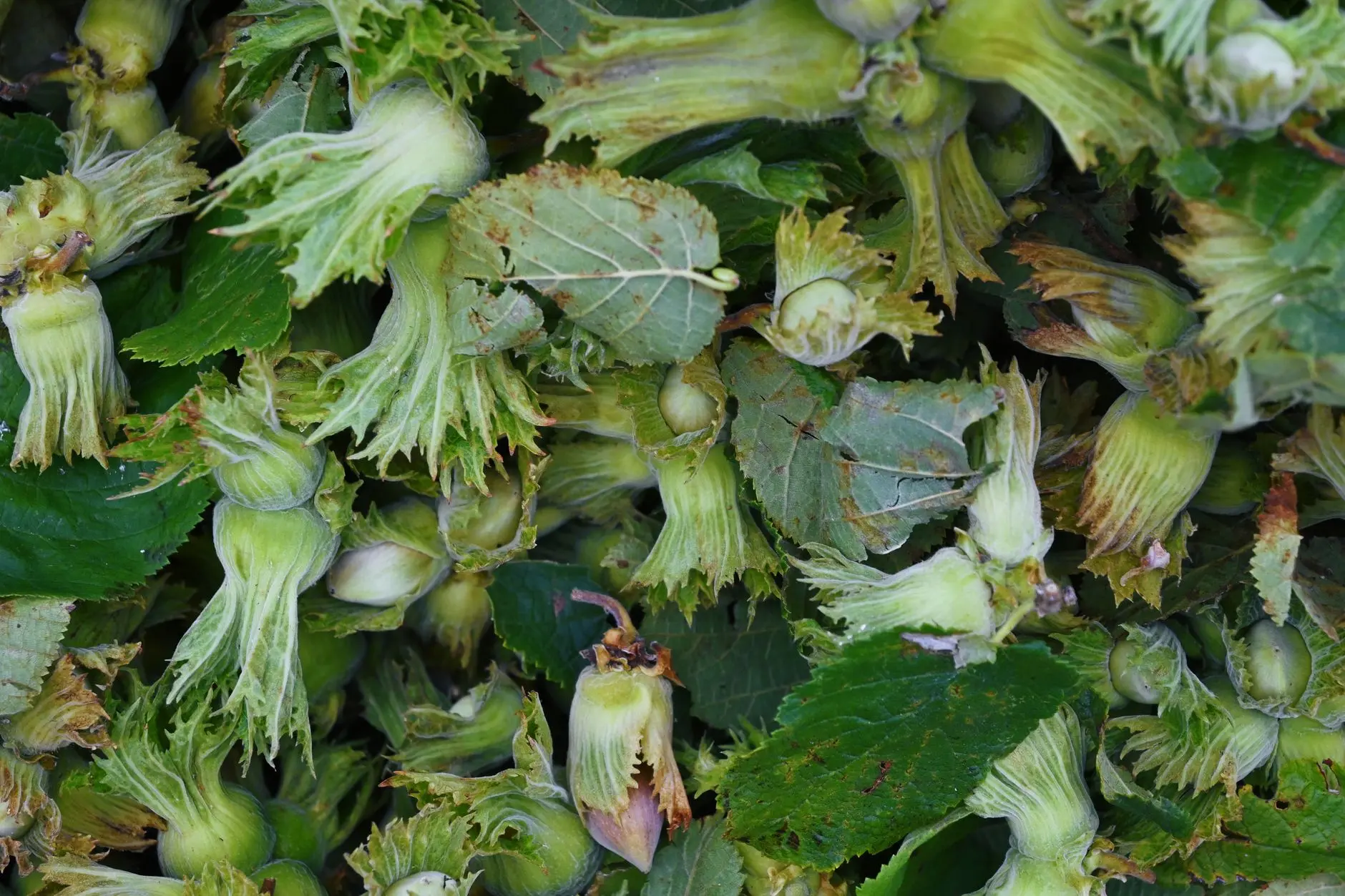
Concurrently, export pricing across specialized agricultural commodities shows distinct trends across the Black Sea basin. CMB News reported that Turkish FOB (Free On Board) hazelnut prices have held steady, demonstrating price resilience in international trade. By contrast, hazelnut prices in neighboring Georgia have eased, highlighting Türkiye's dominant position and pricing power in global nut markets, where international buyers consistently rely on Turkish suppliers for high-grade standards and reliable bulk volumes.
Environmental Challenges and Regional Science Partnerships
Beyond commodity price benchmarks, ecological factors are increasingly impacting Türkiye's rural economy and agricultural production capacity. Daily Sabah reported that Türkiye's shrinking salt lakes are putting local wildlife and community livelihoods at severe risk. Environmental stress on water bodies in key agricultural regions underscores the growing urgency for sustainable water management and climate-resilient farming practices across the Anatolian plateau.
Guide:OEM Manufacturers in Turkey: OEM vs ODM Guide
At the same time, regional institutions are channeling resources toward scientific and technological collaboration to address sustainability and industrial challenges. A bilateral cooperation initiative announced by fundsforNGOs highlights that TÜBİTAK (The Scientific and Technological Research Council of Türkiye) and Jordan's National Center for Research and Development (NCRD) have opened a joint call for collaborative research projects. This initiative provides institutional funding for researchers working on cross-border solutions in environmental science, agriculture, and sustainable development.
What it means for foreign buyers and agricultural investors
For international buyers sourcing food and agricultural commodities from Türkiye, steady FOB pricing in key export sectors offers cost predictability. Buyers acquiring Turkish hazelnuts can plan supply chain budgets with greater certainty, even as regional competitors adjust their price points. Furthermore, a reduced national wheat import requirement suggests domestic market calibration, which can impact local processing dynamics for flour and pasta exporters targeting European and Middle Eastern markets.
Foreign investors evaluating Türkiye's agribusiness sector must factor ecological risks and technology incentives into their long-term entry strategies. Shrinking water resources around saline lakes highlight the necessity of investing in advanced irrigation systems, drought-resistant crop technologies, and efficient processing facilities. Meanwhile, research funding opportunities like the TÜBİTAK–NCRD bilateral program create avenues for international agri-tech firms and research institutions to co-develop sustainable solutions with Turkish partners under favorable regulatory frameworks.
Navigating Commodity Sourcing and Market Conditions in Türkiye
Managing Grain and Processed Food Supply Chains
International trading houses and food manufacturers importing from Türkiye should keep a close watch on national import policy adjustments. As wheat import forecasts decline, domestic millers may prioritize high-spec grain utilization, influencing export pricing for derivative products such as wheat flour, pasta, and baked goods. Importers are advised to secure forward contracts early to mitigate potential price fluctuations in derivative export markets.
Capitalizing on Specialty Crop Resilience
Türkiye remains the premier supplier in global hazelnut trade. Importers benefiting from steady FOB quotes can leverage long-term supplier relationships in Türkiye to secure certified organic or sustainably farmed crops. Evaluating supplier accreditation and traceability remains essential for buyers serving strict regulatory markets in the European Union and North America.
Agricultural Outlook and Strategic Considerations
The outlook for Türkiye's agriculture and trade sector points toward increased emphasis on resource efficiency, value-added exports, and bilateral research networks. As lower wheat import forecasts take effect, domestic supply chain managers will focus on optimizing existing stocks and domestic yield quality. Meanwhile, the stability of Turkish FOB quotes across specialty commodities confirms the country's enduring position as a reliable food exporter despite broader global macroeconomic volatility.
Going forward, environmental sustainability will play a central role in commercial viability. Strategic investments in water conservation, agricultural technology, and joint research ventures will determine how effectively Turkish producers and their international partners navigate climate pressures and maintain long-term export competitiveness.
Sources
- Türkiye's shrinking salt lake puts wildlife, livelihoods at risk | Daily Sabah — Daily Sabah
- Georgian Hazelnut Prices Ease as Turkish FOB Holds Steady — CMB News — CMB News
- TÜBİTAK–NCRD Bilateral Cooperation Call for Joint Research Projects in Turkey and Jordan — fundsforNGOs - Grants and Resources for Sustainability
- Turkey’s wheat imports forecast to drop sharply — World Grain
Frequently asked questions
Why are Turkey's wheat imports forecast to drop sharply?
World Grain reports that wheat imports are expected to decline due to shifting domestic production levels, strategic stock adjustments, and changing demand among domestic flour millers and re-exporters.
How do steady Turkish hazelnut FOB prices affect foreign buyers?
Stable FOB pricing provides foreign buyers and food manufacturers with budget predictability when sourcing Turkish hazelnuts, despite pricing fluctuations in alternative supplier markets such as Georgia.
What impact does environmental degradation have on Turkish agriculture?
Shrinking salt lakes and water stress threaten local livelihoods and farm productivity, driving the need for modern irrigation technologies and sustainable farming practices across impacted regions.
What is the TÜBİTAK–NCRD bilateral cooperation call?
It is a joint research grant initiative between Türkiye's TÜBİTAK and Jordan's NCRD designed to fund collaborative research projects focusing on scientific, environmental, and technological innovation.
How can foreign businesses invest in Türkiye's agricultural sector?
Foreign investors can explore opportunities in agri-tech, modernized irrigation systems, processing infrastructure, and research partnerships supported by official investment incentives and bilateral grant programs.
More on this topic: Sourcing from Turkey: Manufacturers, Suppliers and Production