Turkey Auto Exports Reach $35.2B Amid EU Exclusion Fears
Turkish auto exports hit $35.2 billion despite dipping production as manufacturers advocate for inclusion in EU supply chain policies and sustainability initiatives expand across sectors.
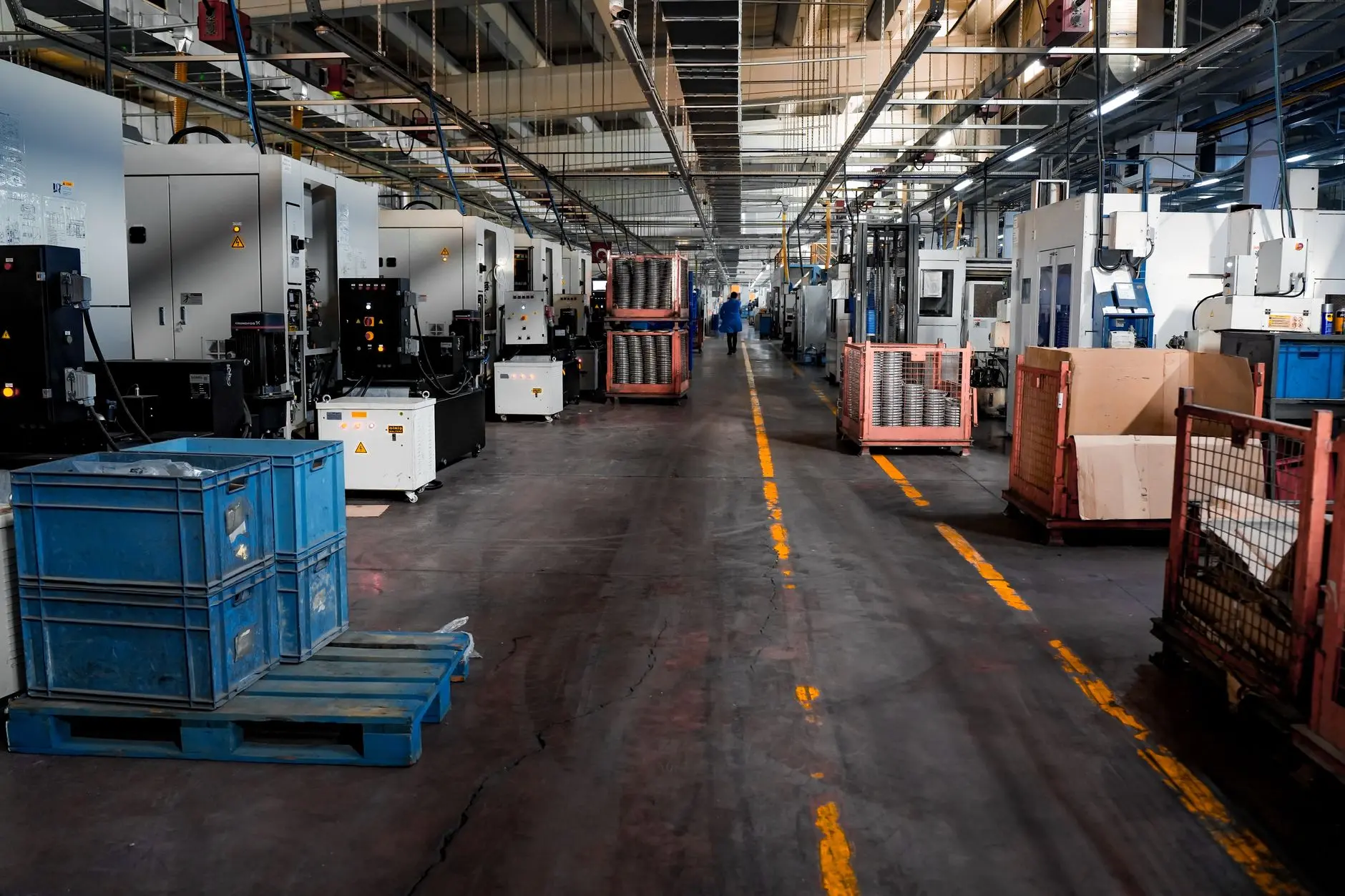
Türkiye’s automotive industry generated $35.2 billion in export earnings between January and October, expanding its international trade footprint even as domestic vehicle production recorded a slight decline. According to reports from Daily Sabah and A News, the surge in export revenues demonstrates resilient overseas demand for Turkish vehicles and components, particularly in European markets. However, the sector is simultaneously navigating strategic headwinds, with Turkish automotive leaders actively seeking support from German industry counterparts to prevent potential exclusion from proposed European Union 'Made in Europe' supply chain policies, as reported by Turkish Minute.
Key takeaways
- Strong export revenue: Türkiye’s auto exports reached $35.2 billion in the January-October period despite lower total manufacturing output.
- EU policy pushback: Turkish auto suppliers are lobbying German industry leaders to ensure Türkiye retains equal standing under anticipated EU supply chain and local-content rules.
- Green financing and industrial shifts: BBVA has launched the Future Supplier Initiative to fund decarbonization in Turkish textiles, while Romania emerged as the top importer of Turkish welded steel pipe.
Automotive sector hits $35.2B in exports amid European trade debates
The record export performance highlights the pivotal role of turkey automotive manufacturing in European and global supply chains. According to data reported by Daily Sabah and A News, Türkiye exported $35.2 billion worth of automotive products during the first ten months of the year. This growth occurred despite a drop in overall unit production, reflecting higher market valuation, altered product mix, and strong demand for specialized vehicle components across key export destinations.
Despite these revenue gains, Turkish industrial leaders are focused on safeguarding market access. Turkish Minute reported that representatives from the Turkish automotive sector have initiated dialogue with German business associations to address concerns regarding prospective 'Made in Europe' regulatory frameworks. Turkish suppliers fear that stringent definitions of European content could disadvantage manufacturers based in Türkiye, despite the long-standing EU-Türkiye Customs Union framework that integrates the two market spaces.
The push for German backing underscores how tightly intertwined Turkish manufacturing is with Central European supply bases. German automakers rely heavily on Turkish Tier-1 and Tier-2 suppliers for original equipment manufacturer (OEM) parts, commercial vehicle bodies, and specialized electronics. Sector representatives argue that excluding Turkish plants from European content definitions would disrupt existing just-in-time delivery networks and increase assembly costs for EU vehicle manufacturers.
Guide:OEM Manufacturers in Turkey: OEM vs ODM Guide
Industrial diversification: Textiles, steel pipe, and defense manufacturing
Beyond the automotive market, other major industrial sectors in Türkiye are advancing sustainability and expanding export footprints. Spanish banking group BBVA has extended its Future Supplier Initiative to Türkiye to accelerate the decarbonization of the Turkish textile sector, according to an official announcement by BBVA. The program provides structured financing and decarbonization tools to help textile suppliers reduce carbon emissions and comply with European environmental regulations.
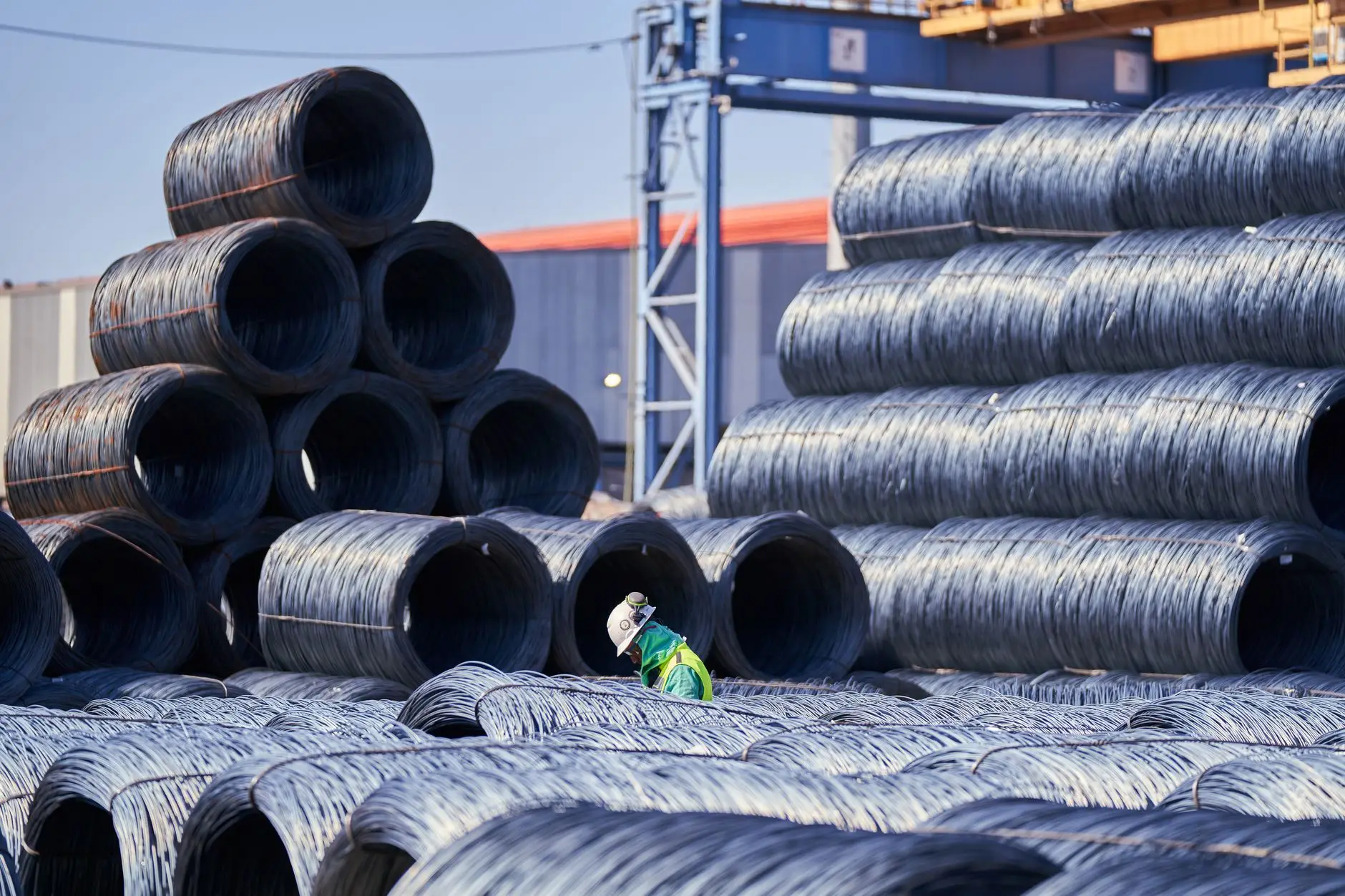
Concurrently, heavy industry and defense manufacturing are seeing shifting global demand patterns. In the steel sector, SteelOrbis reported that Romania retook the top position as the largest buyer of Turkish welded pipes during the January-September 2026 period, signaling sustained infrastructure and construction activity in Central and Eastern Europe. Meanwhile, in defense and small arms manufacturing, Trabzon-based handgun manufacturer TISAS has expanded its global footprint, exporting commercial and military firearms to 76 countries while currently testing a new Gatling-type weapon system, according to Envanter Medya.
What it means for foreign buyers, importers and investors
For foreign buyers and international brand managers relying on turkey automotive manufacturing, the latest export figures validate the country's manufacturing capacity and technological capability. However, sourcing teams must monitor ongoing policy discussions surrounding EU content rules. Companies sourcing auto parts or assembled vehicles from Türkiye should assess how potential changes in EU preferences might impact tariffs, trade documentation, and supply chain rules of origin.
Importers in the apparel and textile space stand to gain from decarbonization initiatives like the BBVA Future Supplier Initiative. As global retailers face strict Scope 3 emission targets and European supply chain due diligence legislation, sourcing from Turkish textile suppliers participating in financed green transitions helps foreign brands maintain compliance without having to relocate production bases.
Investors and industrial procurement managers should also recognize the resilience of Türkiye’s broader heavy manufacturing base. The strong demand for Turkish welded steel pipe in Romania underscores Türkiye's cost competitiveness in structural and industrial materials across Eastern Europe. Meanwhile, the global reach of specialized manufacturers like TISAS highlights the technical sophistication and export capabilities of Türkiye's regional manufacturing hubs beyond Istanbul and Izmir.
Navigating trade rules and supplier decarbonization
As international supply chains adapt to environmental regulations and regional trade blocs, foreign businesses operating in Türkiye must take proactive steps to align their operations with evolving standards.
Evaluating supply chain compliance
Foreign buyers operating within the EU should verify whether their Turkish suppliers are taking concrete steps to comply with upcoming carbon reporting standards and sustainability audits. Engaging with suppliers involved in green transition programs ensures uninterrupted access to European consumer markets.
Managing origin and tariff risks
Given the discussions surrounding 'Made in Europe' classifications, international procurement teams should continuously audit supply chains to ensure all paperwork under the EU-Türkiye Customs Union, including A.TR movement certificates, is properly maintained to avoid unexpected duty assessments.
Industrial outlook for Turkish exports
The convergence of robust export values, regulatory negotiations with European partners, and targeted green financing sets a clear trajectory for Turkish manufacturing. While production volumes may fluctuate due to shifting global demand, the high value of exports indicates that Turkish factories are moving up the value chain.
The outcome of trade talks between Turkish auto industry representatives and their German counterparts will be critical in determining whether Türkiye maintains its seamless integration into European vehicle assembly lines. In parallel, sustainable finance mechanisms across textiles and strong regional demand for steel and manufactured goods will continue to bolster Türkiye’s position as a primary sourcing hub for Europe, the Middle East, and global markets.
Sources
- Türkiye's auto exports reach $35.2B despite lower production | Daily Sabah — Daily Sabah
- Turkish auto industry seeks German backing over ‘Made in Europe’ exclusion fears — Turkish Minute
- BBVA drives decarbonization of Türkiye's textile sector with Future Supplier Initiative — BBVA
- Romania retakes top spot in Turkey's welded pipe export market in Jan-Sep 2026 — SteelOrbis
- Türkiye’s auto exports reach $35.2B despite lower production in January-October — A News
- TISAS of Trabzon: Turkish handgun maker exports to 76 countries, tests Gatling-type gun — Envanter Medya
Frequently asked questions
What were Türkiye's automotive export earnings in the first ten months of the year?
According to reports by Daily Sabah and A News, Türkiye's automotive exports reached $35.2 billion during the January-October period, despite a decrease in total vehicle production.
Why is the Turkish auto industry seeking support from German business leaders?
Turkish Minute reported that the industry is seeking German backing over concerns that proposed EU 'Made in Europe' supply chain policies could exclude or penalize Turkish-made components.
What is the BBVA Future Supplier Initiative in Türkiye?
According to BBVA, the initiative provides structured financing and resources to help decarbonize Türkiye's textile sector, allowing local suppliers to reduce carbon emissions and meet international sustainability standards.
Which country became the top market for Turkish welded pipe exports?
Data from SteelOrbis shows that Romania retook the top spot as the primary export market for Turkish welded steel pipe during the January-September 2026 period.
How many countries does Turkish defense manufacturer TISAS export to?
According to Envanter Medya, Trabzon-based firearm manufacturer TISAS exports handguns to 76 countries and is currently testing a new Gatling-type gun system.
More on this topic: Sourcing from Turkey: Manufacturers, Suppliers and Production