Turkey Power Exports Top $500M Amid Energy Push
Strong renewable energy deployment drives Türkiye's electricity exports to $500 million, even as olive oil shipments drop significantly.
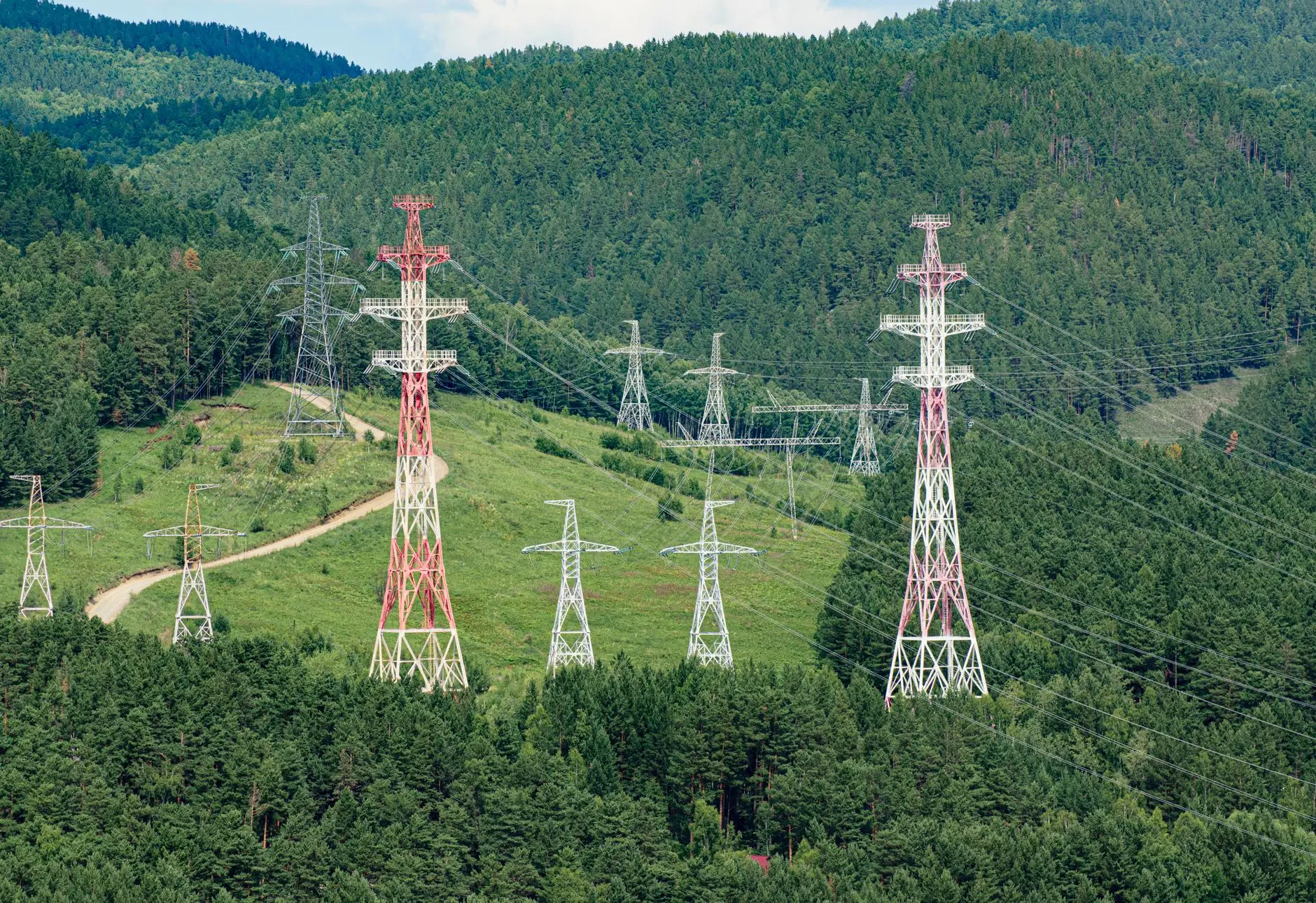
Türkiye generated $500 million in electricity exports since the beginning of 2025, buoyed by the rapid deployment of renewable energy infrastructure across the country, according to reports from Daily Sabah and PV Tech. However, the broader trade picture presents mixed signals for international commercial partners: while power generation and cross-border energy flows expand, agricultural shipping faces structural friction, highlighted by a sharp decline in olive oil exports despite a 56 percent surge in the olive harvest reported by UkrAgroConsult.
Key takeaways
- Cross-border electricity sales reached $500 million following heavy investments in solar and wind power generation capacity.
- Power export growth continued even as financial payment arrears emerged from key regional buyers such as Iraq.
- Olive oil exports have fallen sharply despite a projected 56 percent increase in the national olive harvest.
Renewable expansion drives Türkiye electricity exports to landmark total
According to PV Tech and EnergyNews.pro, Türkiye’s cross-border electricity sales reached the $500 million threshold following aggressive expansion in solar and wind power infrastructure. The expansion of regional grid interconnectors has allowed domestic utility providers to export excess capacity to neighboring markets in Southeastern Europe and the Middle East. Daily Sabah noted that this milestone was achieved despite ongoing payment arrears from Iraq, one of the primary importers of Turkish electricity.
The strength of the power sector highlights Türkiye's evolving role as a regional energy clearinghouse. Alongside regional electricity transmissions, crude flows have also normalized. EnergyNow reported that international oil prices eased after Iraq resumed crude exports through Türkiye’s Ceyhan pipeline port, resolving a operational bottleneck for Mediterranean refiners and crude buyers.
Agricultural and industrial challenges temper trade performance
In contrast to the buoyant energy market, traditional agricultural export channels face unexpected headwinds. Data from UkrAgroConsult shows that while Türkiye’s overall olive harvest is projected to rise by 56 percent this season, outbound shipments of processed olive oil have experienced a sharp drop. Regional trade policies, high domestic holding costs, and fluctuating international price spreads have created a divergence between farm-gate yield and export volume.
Guide:OEM Manufacturers in Turkey: OEM vs ODM Guide
Industrial operations have also faced sudden localized shocks. GMK Center reported a major industrial accident involving an explosion at a plant belonging to Türkiye’s largest steel exporter, resulting in 16 worker fatalities. The incident has raised immediate concerns regarding operational safety protocols and potential supply disruptions for international industrial procurement managers reliant on Turkish mill output.
What it means for foreign buyers and commercial partners
For international buyers sourcing agricultural commodities, the drop in olive oil shipments alongside a record harvest suggests potential pricing distortions and inventory buildup within Türkiye's domestic market. Importers should evaluate whether regulatory restrictions or logistics bottlenecks are delaying export documentation, as physical supply remains high.
For industrial buyers of steel and heavy manufacturing inputs, the disruption at Türkiye's leading steelmaker highlights the need to verify supply chain resilience and delivery lead times. Meanwhile, regional energy companies and investors stand to gain from Türkiye's expanding grid capacity, though direct cross-border trade requires careful navigation of payment settlement mechanisms in markets prone to financial delays.
Managing operational risks in Turkish trade
Energy settlement mechanisms
Foreign energy trading firms operating across the Turkish grid must establish robust credit insurance and escrow arrangements. The persistent payment delays observed in regional export routes indicate that cross-border power purchase agreements require structured risk-mitigation terms.
Industrial supply chain audits
Procurement teams sourcing metals and structural steel from Turkish suppliers are advised to conduct immediate supplier audits to ensure compliance with international workplace safety guidelines and verify production schedule continuity following recent mill disruptions.
Sources
- Türkiye power exports top $500m despite Iraq payment arrears — energynews.pro
- Turkish electricity exports generate US$500 million in revenue following strong renewable energy deployment — PV Tech
- Turkey’s olive harvest to rise 56%, but olive oil exports decline sharply — UkrAgroConsult
- Explosion at plant of Turkey’s largest steel exporter kills 16 workers — GMK Center
- Oil Falls After Iraq Resumes Oil Exports via Turkey’s Ceyhan Port — EnergyNow
- Türkiye generated $500M via electricity exports since 2025 start | Daily Sabah — Daily Sabah
Frequently asked questions
How much revenue have Türkiye electricity exports generated recently?
Türkiye generated $500 million from cross-border electricity sales since the start of 2025, driven by strong renewable energy expansion.
Why are olive oil exports declining if the olive harvest increased?
Despite a 56 percent increase in olive harvest yields, olive oil export volumes fell sharply due to shifting trade regulations, domestic price controls, and international market spreads.
Is crude oil flowing through the Ceyhan pipeline?
Yes, Iraq has resumed crude oil exports through Türkiye's Ceyhan port, helping stabilize regional crude supplies.
Are payment delays affecting Turkish power exporters?
Yes, Turkish power producers have maintained export volumes despite facing ongoing payment arrears from key regional trade partners such as Iraq.
What happened to Türkiye's largest steel exporter?
An industrial explosion occurred at a major production facility belonging to Türkiye’s largest steel exporter, resulting in 16 fatalities and raising operational safety concerns.
More on this topic: Sourcing from Turkey: Manufacturers, Suppliers and Production