Turkey Automotive Manufacturing in EU Plan
Ankara lobbies Brussels to ensure Turkish vehicle and component producers are fully recognized under upcoming European industrial and procurement frameworks.
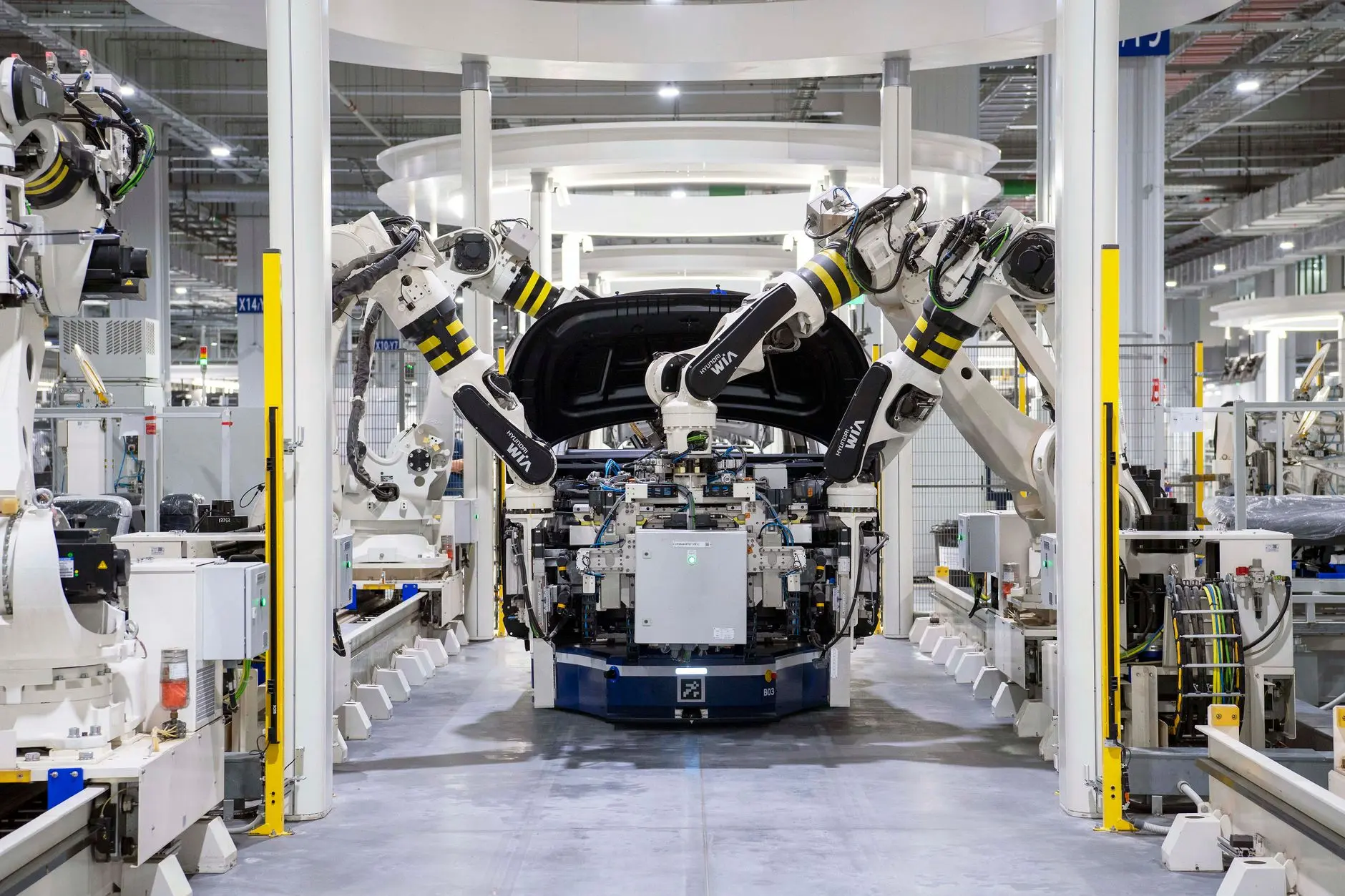
Turkish trade officials and industry leaders are actively lobbying Brussels to ensure that Türkiye's automotive assembly and component sectors are fully integrated into the European Union's emerging industrial policy, according to reporting by Hürriyet Daily News. Ankara is pressing European authorities to recognize Turkish-origin vehicles and parts under proposed 'Made in EU' and clean industrial initiatives, preventing regulatory exclusion that could disrupt one of the Mediterranean basin's most critical supply corridors. As European policymakers debate preferential procurement and local-content standards for green transition industries, turkey automotive manufacturing stands at a vital intersection between European integration and global supply chain competition.
Key takeaways
- Türkiye is formally requesting parity with EU member states under upcoming European industrial policies to protect its $35-billion-plus vehicle and parts export ecosystem.
- Exclusion from EU local-content requirements would disrupt supply chains for multinational automakers like Ford, Renault, Stellantis, and Toyota that build vehicles in Türkiye for European consumers.
- International procurement teams and original equipment manufacturers (OEMs) must monitor EU-Türkiye trade negotiations as Brussels re-evaluates rules of origin and nearshoring definitions.
Strategic Stakes for Turkey Automotive Manufacturing
The push by Ankara comes at a pivotal juncture in European trade and industrial policy. Facing intense competition from subsidized foreign electric vehicles and industrial imports, Brussels has accelerated plans to establish domestic manufacturing mandates, public procurement preferences, and industrial subsidies tied to European production. Hürriyet Daily News reported that Turkish officials have engaged their counterparts in the European Commission to insist that Türkiye's deep integration under the 1995 EU-Türkiye Customs Union entitles its manufacturing base to reciprocal treatment within any new continental manufacturing framework.
Türkiye's automotive sector is not a detached foreign supplier; it operates as an organic extension of Western Europe's automotive industrial core. Major facilities concentrated around Bursa, Kocaeli, and the broader Marmara region produce millions of commercial vehicles, passenger cars, and critical structural components each year. Global automakers rely on Turkish assembly lines not merely for low-cost labor, but for highly engineered manufacturing clusters capable of delivering just-in-time logistics to distribution hubs across Germany, France, Italy, and the United Kingdom.
If the European Commission crafts protectionist industrial subsidies or green transition incentives that restrict eligibility solely to the 27 EU member states, Turkish producers could face commercial disadvantages despite three decades of bilateral free circulation under the Customs Union. Turkish industry representatives argue that partitioning the Turkish manufacturing base away from the EU's single market architecture would raise production costs for European brands, undermine European competitiveness, and stall continental decarbonization goals.
Guide:Turkey Corporate Tax for Foreign Companies: Territorial Rule
Rules of Origin and Turkey Automotive Manufacturing Supply Chains
The technical dispute centers on how upcoming European regulations define European origin in an era of electrified transport and critical material tracking. Under the existing Customs Union, industrial goods move between Türkiye and EU member states without tariff barriers, supported by the A.TR movement certificate verifying that products are in free circulation. However, future green subsidies, such as battery manufacturing benchmarks and clean-tech procurement criteria under the Net-Zero Industry Act, introduce new compliance hurdles that go beyond traditional customs clearances.
Turkish automotive component manufacturers produce everything from aluminum castings and wiring harnesses to complex electronics and transmission assemblies. Tier-1 and Tier-2 suppliers in Türkiye have invested billions of euros in modernizing facilities to handle electric vehicle (EV) architectures and hybrid platforms. Denying these components full 'European' status under public incentive programs or fleet purchasing rules would force automotive conglomerates to re-evaluate their sourcing allocations, introducing friction into long-standing supplier relationships.
Ankara's diplomatic offensive seeks clear administrative assurances that goods meeting pan-Euro-Mediterranean preferential rules of origin will enjoy an unhindered commercial status across European Union member states. Turkish trade negotiators emphasize that European strategic autonomy cannot succeed in isolation from reliable nearshore industrial partners capable of matching Asian scale while adhering to strict environmental and labor standards.
What it means for foreign buyers and automotive investors
For international automotive groups, Tier-1 suppliers, and independent procurement managers, the diplomatic maneuvers in Brussels provide crucial clarity on procurement security. Foreign automotive groups that operate joint ventures in Türkiye—including Ford Otosan and Oyak Renault—depend on regulatory stability between Ankara and Brussels to validate multi-year capital expenditure programs. Clarifying Türkiye's status in European industrial strategy ensures that planned investments in electric commercial van lines and battery assembly plants can proceed without political risk.
Importers and component distributors across Europe should view Ankara's proactive lobbying as a stabilizing signal. Rather than accepting passive peripheral status, Turkish industrial associations are working to lock in regulatory convergence. Foreign companies that source stampings, engine components, commercial vehicle bodies, and interior trim from Turkish factories are unlikely to face abrupt administrative disruption, but procurement contracts must increasingly incorporate provisions regarding compliance with EU carbon reporting and supply chain transparency standards.
For international private equity investors and industrial conglomerates considering greenfield or brownfield investments in Türkiye, the debate reinforces the country's strategic identity as Europe's primary nearshore engineering platform. A successful outcome in Brussels will preserve Türkiye's tariff-free, quota-free access while protecting the export margins of international firms manufacturing on Turkish soil.
Supply Chain Realignment and Nearshoring Pressures
European automotive supply chains have faced unprecedented turbulence since 2020, driven by microchip shortages, elevated maritime freight charges, and geopolitical volatility. Consequently, European original equipment manufacturers have systematically audited their reliance on East Asian supply hubs, seeking resilient, geographically proximate manufacturing alternatives.
The Marmara Automotive Corridor
Türkiye's Marmara corridor offers freight transit times to major European markets of just three to five days by road or roll-on/roll-off (Ro-Ro) ferry connections. This logistical proximity gives Turkish suppliers a decisive advantage over Asian competitors when supply chain predictability is paramount. Preserving Turkish parity under EU industrial legislation ensures that European OEMs can continue to leverage this logistics advantage without regulatory friction.
Electrification and Carbon Border Adjustments
Beyond origin labels, Turkish suppliers are aggressively aligning their factory operations with the EU's Carbon Border Adjustment Mechanism (CBAM) and corporate sustainability due diligence directives. By expanding rooftop solar installations, sourcing renewable grid power, and adopting audited environmental management systems, Turkish manufacturers aim to eliminate any justification Brussels might present for excluding their components on environmental grounds.
Sources
- Türkiye presses for auto sector’s inclusion in ‘Made in EU’ plan — Hürriyet Daily News
Frequently asked questions
Why is Türkiye asking to be included in the 'Made in EU' industrial strategy?
Türkiye seeks inclusion because its automotive manufacturing sector is deeply integrated with European supply chains, and exclusion from EU local-content incentives or procurement rules would disrupt exports and penalize European automakers that build vehicles in the country.
How does the existing Customs Union affect Turkish automotive exports to the EU?
The 1995 EU-Türkiye Customs Union allows industrial goods, including motor vehicles and automotive parts, to move between Türkiye and EU member states without tariffs or quota restrictions under the A.TR movement certificate.
Which major international car manufacturers operate production facilities in Türkiye?
Global automotive manufacturers with significant production footprints in Türkiye include Ford (via Ford Otosan), Renault (via Oyak Renault), Toyota, Hyundai, and Stellantis (via Tofaş), alongside hundreds of specialized component suppliers.
Will European procurement rules penalize Turkish-made automotive components?
Turkish officials are negotiating directly with the European Commission to ensure that upcoming industrial policies, clean technology rules, and public procurement standards grant parity to Turkish-made components.
What steps are Turkish automotive suppliers taking to meet EU green regulations?
Suppliers across Türkiye are investing heavily in renewable energy installations, energy-efficient manufacturing machinery, and verified carbon accounting systems to align with the EU Carbon Border Adjustment Mechanism and sustainability directives.
More on this topic: Doing Business in Turkey: Company Setup, Tax and Compliance