Turkey Shipping and Logistics Push Gains Pace
A $1.5 billion overhaul at Izmir port, diplomatic moves on Black Sea transit, and the Gulf Development Road project reinforce Türkiye's role in global logistics.
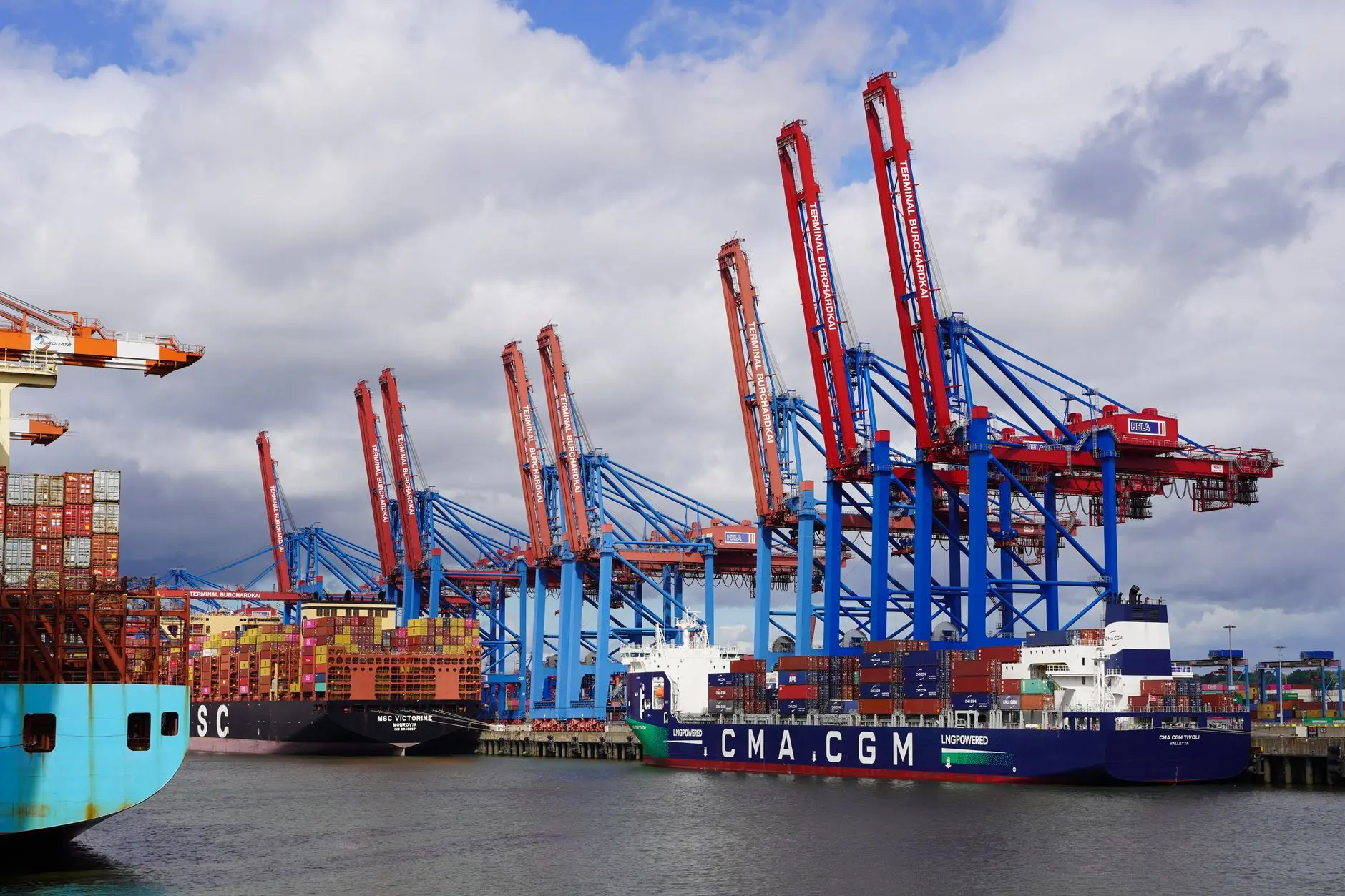
Major infrastructure commitments and cross-border transport initiatives are accelerating across turkey shipping and logistics, positioning the country as a vital alternative transit node between Europe, the Middle East, and the Black Sea. From planned dredging and capacity expansion at the Port of Izmir to multinational corridor projects linking the Persian Gulf with European distribution networks, Turkish authorities and private transport stakeholders are actively expanding multimodal transport capacity amid continuing global maritime volatility.
Key takeaways
- Izmir port is preparing a $1.5 billion modernization program, scheduled to initiate capital dredging operations in 2027 to accommodate larger commercial vessels.
- The Iraq-Türkiye Development Road initiative is projected to generate up to 70,000 jobs annually while establishing a terrestrial trade artery bypassing the Strait of Hormuz.
- Diplomatic and commercial transit talks are expanding simultaneously in the Black Sea, covering grain flow mechanisms with Ukraine and bilateral transport digitalization.
Major port investments expand Aegean maritime capacity
As international supply chain managers search for faster, more dependable transit options between the Mediterranean basin and Northern Europe, Türkiye is upgrading core coastal gateways. A centerpiece of this effort is the planned $1.5 billion investment at the Port of Izmir, reported by DredgeWire. The project includes extensive dredging work scheduled to commence in 2027, aimed at deepening access channels and berths so that modern, deep-draft container ships can call directly at the Aegean terminal.
Izmir has long served as an industrial export powerhouse for western Anatolian manufacturing clusters, including automotive components, processed foods, and textiles. However, vessel upsizing in global container lines has historically diverted some feeder volumes to rival hubs. By expanding water depth and terminal handling capabilities, the $1.5 billion capital expenditure is designed to reduce feeder transshipment delays, lower direct freight rates for exporters, and handle higher container throughput from regional factories.
Alongside port infrastructure renewals, leadership within the country's maritime institutions is entering a new phase. In maritime administration, TradeWinds News reported that a competitive election has placed Recep Duzgit at the helm of the Turkish Chamber of Shipping. The leadership transition comes at a critical juncture as Turkish shipowners and terminal operators navigate international decarbonization mandates, crew safety protocols in nearby conflict zones, and ongoing fleet fleet renewal requirements.
Guide:Turkey Corporate Tax for Foreign Companies: Territorial Rule
Strategic land bridges link the Gulf directly to Europe
Beyond sea terminals, Ankara is prioritizing intermodal land corridors designed to circumvent bottlenecked maritime chokepoints. Central to this broader transport policy is the Development Road project, an ambitious highway and railway network stretching from Iraq's southern Grand Faw port up to the Turkish border and onward to the European Union rail grid. According to reporting from Daily Sabah, Turkish authorities project the Development Road could generate around 70,000 jobs per year across transport, engineering, construction, and operational services.
Geopolitical turbulence around standard maritime passages has heightened interest in overland alternatives. As reported by Türkiye Today, the proposed EU-Gulf corridor offers commercial carriers an alternative route that avoids potential disruptions at the Strait of Hormuz and risks surrounding the Red Sea. By connecting Persian Gulf supply sources to European industrial consumers over rail and highway networks traversing Türkiye, cargo owners could see significantly reduced transit durations compared to the standard maritime loops around the Arabian Peninsula and the Cape of Good Hope.
The corridor concept aligns with broader efforts across the Middle East to integrate rail corridors with marine gateways. For international logistics providers, having a direct terrestrial link between Arabian Gulf manufacturing hubs and continental European rail networks provides insurance against maritime freight spikes, vessel rerouting costs, and regional security spikes.
Black Sea diplomacy and transport digitalization
While southern corridors advance toward the Gulf, northern routes across the Black Sea remain equally critical for European commodity flows and regional stability. According to gCaptain, Ukraine is actively engaged in consultations with Türkiye, India, and Egypt regarding commercial grain transit corridors. These diplomatic discussions aim to safeguard maritime passage for agricultural bulk carriers navigating contested Black Sea waters, ensuring grain shipments reach key importing nations across North Africa, the Middle East, and Asia without protracted interruptions.
Parallel to agricultural trade talks, bilateral technical collaboration is modernizing regional freight movement. The Odessa Journal reported that Ukraine is strengthening transport and digitalization partnerships with both Lithuania and Türkiye. These initiatives focus on digitizing customs clearance, harmonizing freight documentation, and integrating tracking systems across multimodal corridors.
For logistics operators handling cross-border cargo between the Baltic, Black Sea, and Mediterranean zones, administrative friction has historically added significant costs. Digital integration between customs authorities and port operators reduces wait times at borders, curbs administrative overhead, and provides end-to-end visibility for high-value container shipments.
What it means for foreign supply chain operators and investors
For international buyers sourcing industrial goods from Anatolian manufacturing centers, enhancements across turkey shipping and logistics offer tangible cost and timing advantages. Deeper berths and modernized quay cranes at Izmir mean international ocean carriers will be able to deploy larger, direct-call container vessels starting later this decade. Importers in Western Europe and North America can anticipate fewer port-to-port handoffs, lowering the risk of cargo damage and reducing lead times for seasonal consignments.
Multinational manufacturers operating production facilities in Türkiye stand to benefit from improved geographic resilience. The simultaneous development of Gulf corridors and Black Sea trade channels positions Turkish manufacturing sites at the nexus of multiple redundant freight pathways. Should conflict or canal congestion restrict traditional marine waterways, industrial operators in Türkiye maintain access to terrestrial rail and road corridors connecting both the Gulf and European trade partners.
For foreign investors evaluating logistics parks, cold storage, and intermodal inland depots, the project pipeline creates commercial openings. The projected addition of 70,000 annual jobs along the Development Road underscores the massive footprint of ancillary services needed to support overland freight, including maintenance facilities, bonded warehousing, customs brokerage, and container marshaling yards.
Evaluating infrastructure timelines and regional execution
While the strategic benefits of these transit routes are substantial, international logistics planners must align their medium-term sourcing strategies with realistic implementation schedules. Terminal upgrades and transcontinental railways involve multi-year capital deployment cycles and complex multilateral financing agreements.
Port readiness and dredging schedules
The Izmir terminal development is slated to begin dredging operations in 2027. Consequently, cargo handlers and freight forwarders should treat the current terminal parameters as the baseline through the mid-2020s. Supply chain managers planning high-volume direct container moves should maintain flexible routing arrangements through neighboring deepwater facilities in the Marmara and Aegean regions until berth expansions in Izmir come online.
Multinational corridor coordination
Corridors crossing through Iraq, Türkiye, and onwards to the European Union require deep regulatory alignment between customs agencies, railway operators, and security authorities. Progress on the Development Road will depend heavily on sustained infrastructure construction in southern Iraq and coordinated financing across transit nations. Companies seeking to utilize these transit corridors should monitor pilot rail shipments and bilateral border agreements before committing core supply chains to nascent routes.
Sources
- Tight race puts Recep Duzgit at the helm of Turkey’s shipping chamber — TradeWinds News
- Turkey’s Izmir port plans $1.5b upgrade with dredging from 2027 — DredgeWire
- Türkiye says Development Road could add 70,000 jobs a year — Daily Sabah
- Türkiye's new EU-Gulf corridor offers alternative to Strait of Hormuz — Türkiye Today
- Ukraine Talks with Turkey, India, Egypt Over Grain Corridor — gCaptain
- Ukraine Strengthens Transport and Digitalisation Partnerships with Lithuania and Türkiye - Oj — Odessa Journal
Frequently asked questions
What are the planned improvements for the Port of Izmir?
The Port of Izmir is preparing a $1.5 billion upgrade project, with capital dredging scheduled to begin in 2027 to deepen shipping channels and accommodate larger container vessels.
What is the Development Road project?
The Development Road is an intermodal railway and highway corridor linking Iraq's southern ports through Türkiye to the European transport network, offering an alternative overland route between the Gulf and Europe.
How does the new corridor impact maritime transit near the Strait of Hormuz?
The EU-Gulf corridor provides an overland freight alternative that allows shippers to move goods between Europe and the Gulf without relying exclusively on maritime routes passing through the Strait of Hormuz.
Who was elected to head the Turkish Chamber of Shipping?
Recep Duzgit was elected to lead the Turkish Chamber of Shipping following a competitive leadership race, taking charge as the industry navigates regional transit and environmental adjustments.
How is Türkiye involved in Black Sea grain transit discussions?
Türkiye is participating in talks alongside Ukraine, India, and Egypt to secure safe and reliable commercial grain shipping corridors across the Black Sea.
What transport digitalization efforts are underway with Ukraine?
Ukraine is advancing partnerships with Türkiye and Lithuania to digitize transport procedures, streamline border customs clearances, and improve supply chain data sharing across regional corridors.
More on this topic: Doing Business in Turkey: Company Setup, Tax and Compliance