Turkey Free Zones: List, Benefits and Setup
A practical guide to operating in Turkish free zones, detailing strategic locations, tax incentives, licensing procedures, and company formation steps for international businesses.
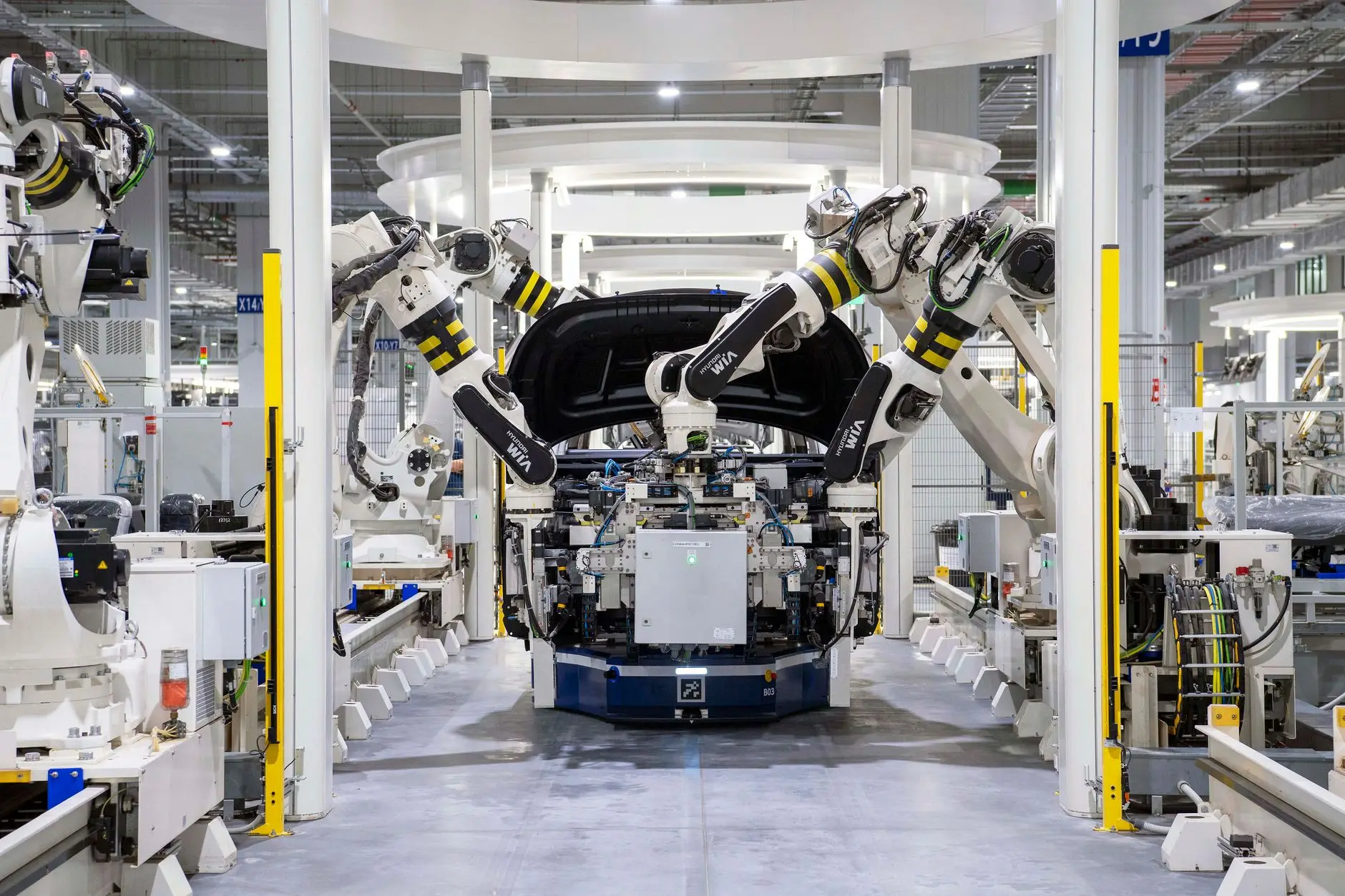
Turkish free zones offer international companies an extraterritorial regulatory environment designed to maximize export competitiveness, eliminate customs barriers, and deliver substantial corporate and personal tax exemptions. Operating in these specialized enclaves allows foreign investors to establish wholly owned manufacturing, trading, or service hubs that integrate directly into global supply chains while remaining adjacent to the European Union Customs Union. This guide outlines how Türkiye's free zone system works, where the major clusters are situated, what fiscal incentives apply, and how to successfully establish an operating entity.
Key takeaways
- Manufacturing companies operating in Turkish free zones enjoy full exemption from corporate income tax on export earnings, alongside customs duty and value-added tax relief on capital goods and raw materials.
- Zone users can repatriate one hundred percent of capital and net profits abroad without foreign exchange restrictions, withholding penalties, or prior central bank approvals.
- Securing a presence requires a two-tiered procedure: obtaining initial operating license pre-approval from the Ministry of Trade, followed by formal company incorporation and facility acquisition inside the designated zone.
- Transactions within the zones are conducted primarily in freely convertible foreign currencies, shielding operators from local foreign exchange volatility.
Understanding the Turkish Free Zone Model
Free zones in Türkiye are legally defined enclaves situated physically within national borders but deemed outside the customs territory for regulatory and fiscal purposes. Established under the Free Zones Law and administered under the supervision of the Ministry of Trade, these zones were conceived to attract export-oriented foreign direct investment, accelerate technology transfer, and expand international trade integration.
Unlike standard industrial parks or organized industrial zones, free zones operate under a distinct legal framework. Goods entering a free zone from abroad are exempt from customs duties, value-added tax (VAT), and commercial policy measures such as quotas or surveillance documentation, provided the goods do not enter the Turkish domestic market. Furthermore, goods transferred between free zones and foreign markets are classified as transit trade or direct export-import transactions, simplifying cross-border logistical movements.
Regulatory Oversight and Administration
Every free zone in Türkiye is regulated by the Ministry of Trade's General Directorate of Free Zones. However, on-site daily management is structured around a public-private partnership model. The infrastructure, utility provision, physical security, and land leasing are typically managed by private operating companies (often designated with acronyms like ESBAŞ or İSBAŞ), while regional directorates of the Ministry of Trade handle regulatory compliance, licensing enforcement, and customs gates.
Related guide:Turkey Corporate Tax for Foreign Companies: Territorial Rule
Strategic Directory of Major Free Zones in Türkiye
Türkiye hosts nineteen operational free zones distributed across its primary industrial, maritime, and border corridors. Choosing the correct zone depends on your operational profile, such as heavy manufacturing, air freight logistics, automotive supply, or software development.
Marmara Region: Trade, Logistics, and High-Tech
- Istanbul Atatürk Airport Free Zone (ISBI): Positioned directly at Istanbul's primary logistics hub, this zone focuses heavily on high-value, light-weight goods, aerospace components, specialized electronics, pharmaceuticals, and international trading desks.
- Istanbul Industry and Trade Free Zone (DESBAŞ): Located in Tuzla on the Asian side of Istanbul, DESBAŞ caters to machinery manufacturing, marine technology, electronics, and chemicals, benefiting from immediate proximity to commercial shipyards and Sabiha Gökçen Airport.
- TÜBİTAK Marmara Research Center (MAM) Free Zone: Located in Kocaeli, this specialized zone is dedicated to research and development, software development, advanced materials, and biotechnology, providing specialized laboratory infrastructure.
- Kocaeli Free Zone (KOSBİ): Positioned on the Gulf of İzmit, KOSBİ caters directly to heavy industry, automotive sub-assembly, specialized machinery, and mega-yacht construction, featuring private deep-water dock facilities.
- European Free Zone (EFZ / Çorlu): Situated in Tekirdağ near Istanbul's western industrial belt, EFZ is one of the largest manufacturing clusters in the country, attracting multinational automotive parts, white goods, and plastics producers.
- Bursa Free Zone (BUBAŞ): Set adjacent to the Port of Gemlik, this zone provides an export platform for Bursa's automotive, textile, and high-precision mechanical manufacturing sectors.
Aegean Region: Precision Engineering and Renewable Energy
- Aegean Free Zone (ESBAŞ): Situated in Izmir, ESBAŞ is widely regarded as one of Europe's most successful private free zones. It houses major multinational manufacturers in aerospace systems, automotive components, industrial machinery, and textiles, offering plug-and-play production sites.
- Izmir Free Zone (İZBAŞ): Located in Menemen, north of Izmir, İZBAŞ has emerged as a premier European hub for wind energy equipment, turbine blade manufacturing, precision metal processing, and leather goods.
- Bergama Free Zone (BASBAŞ): One of the newer additions to the Aegean logistics corridor, designed specifically to capture green energy investments and advanced industrial manufacturing.
Mediterranean and Southern Corridors: Maritime and Processing Hubs
- Mersin Free Zone (MESBAŞ): Integrated directly with Mersin International Port, this zone serves as an entry point for transit trade into the Middle East, Central Asia, and North Africa. It is widely utilized for agro-processing, bulk commodity trade, and logistical warehousing.
- Antalya Free Zone (ASBAŞ): Positioned on the southern Mediterranean coast, ASBAŞ has earned international prominence for luxury yacht and superyacht construction, alongside medical equipment assembly and precision optical electronics.
- Adana Yumurtalık Free Zone (TAYSEB): Located on the Gulf of İskenderun, TAYSEB is tailored for heavy industrial production, petrochemical plants, energy facilities, and bulk maritime shipping, offering expansive land plots and deep-sea access.
Core Benefits and Incentives for Foreign Investors
Operating inside a Turkish free zone provides a multi-layered incentive package that combines corporate tax holidays, labor cost reductions, customs dispensations, and operational flexibility.
Tax Exemptions
The fiscal regime within the free zones is one of the most competitive in the Mediterranean basin:
- Corporate Income Tax Exemption: Manufacturing entities that hold a valid production operating license are one hundred percent exempt from corporate income tax on revenue generated from manufacturing activities. This exemption applies throughout the duration of the operating license.
- Personal Income Tax Exemption on Wages: Companies that export at least eighty-five percent of the free-on-board (FOB) value of goods manufactured within the zone are exempt from withholding tax on employee salaries. This significantly reduces total payroll expenses for skilled labor and engineering teams.
- Value-Added Tax (VAT) and Special Consumption Tax: Goods and services supplied from the Turkish mainland into the free zone are treated as exports and are therefore exempt from Turkish VAT. Similarly, capital equipment and raw materials imported from abroad into the zone incur no VAT or special consumption taxes.
- Stamp Duty and Property Tax Exemption: Contracts, leasing agreements, payroll sheets, and legal documents executed within the zone are exempt from stamp duty. Real estate owned or leased within the zone is similarly exempt from municipal property taxes.
Customs Union and International Trade Mechanisms
Because Türkiye participates in a Customs Union with the European Union for manufactured industrial goods, products manufactured inside Turkish free zones can enter the EU market tariff-free with an A.TR movement certificate, provided they satisfy origin requirements. Furthermore, zones permit indefinite storage of raw materials and inventory without the assessment of import tariffs, functioning as strategic bonded hubs for global fulfillment.
Financial and Foreign Exchange Autonomy
Payments within free zones are generally executed in foreign convertible currencies (such as euros or US dollars), insulating day-to-day operations from Turkish lira exchange rate movements. Investors can freely transfer profits, capital dividends, and operational revenues abroad through local and international banking networks without withholding taxes or prior government clearance.
Permitted Activities and Operating License Types
Before launching operations, every business must apply for a specific Operating License issued by the General Directorate of Free Zones. Licenses fall into clear categories based on commercial purpose:
- Production License: Authorizes the transformation of raw materials or intermediate inputs into finished goods. This is the only license category eligible for the corporate income tax exemption and the wage tax relief mechanism.
- Commercial / Trading License: Permits the purchase, sale, inventory storage, packaging, and sorting of foreign and domestic goods. Commercial license holders enjoy customs and VAT benefits, but do not receive corporate income tax exemptions.
- Assembly and Disassembly License: Covers the integration of manufactured modules or the dismantling of machinery without primary component fabrication.
- Service and Rental License: Issued to engineering teams, software developers, technical maintenance outfits, and consulting firms operating within the zone, as well as property holding companies renting premises to other users.
- Storage and Warehouse License: Designed for third-party logistics (3PL) providers managing bonded facilities and cargo fulfillment centers.
Licenses for tenants leasing premises are typically granted for up to fifteen or twenty years, while companies that purchase land and construct their own production facilities can secure operating licenses valid for up to thirty or forty-five years.
Step-by-Step Guide to Setting Up a Company in a Free Zone
Establishing an operating presence requires careful synchronization between the Ministry of Trade, the private zone operator, and the local Trade Registry Office.
1. Define the Commercial Scope and Select the Zone
Review the logistical requirements of your operation. For instance, heavy chemical manufacturing requires maritime access like Adana Yumurtalık or Kocaeli, whereas precision software or electronics assembly may be better suited to the Aegean Free Zone or TÜBİTAK MAM. Engage directly with the zone operator to confirm vacant plots, rental rates, and power infrastructure capacity.
2. Reserve Space and Obtain an Allocation Letter
Sign a preliminary space reservation or lease pre-agreement with the designated zone operator. This document specifies the land plot or covered warehouse space allocated to your venture, subject to license approval from the Ministry of Trade.
3. File the Operating License Application
Submit an official application dossier to the Ministry of Trade's General Directorate of Free Zones. The dossier must contain:
- A comprehensive business plan and feasibility study detailing five-year production projections, planned employment, export targets, and capital expenditure.
- Company incorporation documents from the foreign parent entity, including apostilled certificates of good standing and board resolutions.
- Detailed technical descriptions of the production processes, environmental impact mitigation, and machinery lists.
- Receipt confirming payment of the mandatory state operating license application fee.
4. Complete Corporate Entity Formation
Once the Ministry of Trade issues an Operating License Pre-Approval letter, you have a defined window (typically two to three months) to complete legal incorporation. You must register a new Turkish corporate entity (typically an Anonim Şirket [A.Ş.] or a Limited Şirket [L.Ş.]) or establish an authorized branch of your foreign parent company through the local Trade Registry Office situated in the zone's jurisdiction.
5. Finalize the Lease and Receive the Final License
Execute the formal, long-term lease contract or purchase agreement with the zone management. Submit the completed corporate registration documents, tax identification registration, and signed lease agreement to the Ministry of Trade. The Ministry will then issue the official, multi-year Free Zone Operating License.
6. Obtain Customs and Facility Permits
Before initiating operations, register with the local Free Zone Customs Directorate to acquire customs transaction codes, connect to the computerized warehouse tracking system, secure municipal business operation permits, and finalize utility connections with the zone administration.
Checklist: Setting Up Your Free Zone Entity
- Determine business activity type and verify whether your proposed model qualifies for production-tier tax exemptions.
- Select target free zone based on transport logistics, port access, raw material supply, and available space.
- Negotiate preliminary lease terms with the zone operator and obtain an official letter of space availability.
- Draft a five-year feasibility report highlighting export percentages, job creation, utility needs, and planned machinery imports.
- Submit formal Operating License dossier to the Ministry of Trade together with required state filing fees.
- Receive formal pre-approval from the General Directorate of Free Zones.
- Draft and notarize Articles of Association for the new Turkish corporate entity (A.Ş. or Limited Company).
- Open a local corporate bank account to deposit mandatory minimum share capital as required by corporate law.
- Register the company with the local Trade Registry and obtain an official registration certificate, tax number, and signature circular.
- Execute the definitive lease contract with the zone operator and lodge it with the Ministry of Trade.
- Receive the final Operating License and establish digital accounts with the Ministry's online free zone management platform.
- Obtain local environmental and building usage permits from the zone directorate before installing industrial equipment.
- Complete customs activation with the local customs enforcement post located at the zone's perimeter gate.
Common Mistakes Foreign Companies Make
Navigating the specialized regulatory landscape of free zones requires attention to legal parameters that do not exist in conventional onshore business environments.
Assuming All Zone Revenue Is Tax-Free
A frequent error among foreign entrants is assuming that any company established in a free zone is automatically exempt from corporate income tax. In reality, corporate tax exemptions are reserved strictly for entities holding a production license on income derived from goods they manufacture. Trading, logistics, consulting, and pure assembly companies are subject to standard corporate tax rules unless covered by specific alternative technology development zone statutes.
Failing the Wage Tax Exemption Export Ratio
The salary income tax exemption for manufacturing personnel requires the company to export at least eighty-five percent of its FOB production value abroad. If your business sells more than fifteen percent of its annual output to the Turkish domestic mainland, the wage tax incentive is retroactively revoked for that fiscal year, resulting in unexpected tax assessments and penalties. Companies targeting the Turkish domestic market should carefully evaluate whether a standard organized industrial zone provides a more suitable structure.
Selling Into the Mainland Without Planning for Tariffs
While selling from a free zone into the Turkish domestic market is legal, goods transferred into the mainland are treated as imports. Turkish customs procedures, import duties, and VAT apply at the customs border. Furthermore, sales from the zone into the domestic market incur an additional contribution fee paid to the Free Zones Special Fund, which diminishes profit margins if not calculated in advance.
Neglecting Strict Physical Inventory Controls
Because free zones are outside the customs perimeter, the Ministry of Trade and Customs Directorate maintain strict digital inventory monitoring. Every piece of equipment, spare part, and raw material pallet entering or exiting the zone must be cleared using customs entrance and exit forms. Discrepancies between physical inventory and digital customs declarations can trigger regulatory audits, administrative fines, and suspensions of operating privileges.
Signing Inflexible Real Estate Agreements
Lease agreements inside free zones are subject to specialized administrative oversight. Terminating a lease prematurely or attempting to sublease space to an unauthorized third party is strictly prohibited without prior written authorization from the Ministry of Trade. Companies must ensure their facility footprint matches scalable modular projections rather than overcommitting to excess space.
Frequently asked questions
Can a foreign company own one hundred percent of a free zone entity?
Yes, Turkish law permits one hundred percent foreign ownership of both joint-stock (A.Ş.) and limited liability (L.Ş.) companies within all free zones, without requiring local partners or directors.
What currency is used for operations inside Turkish free zones?
Operations, accounting declarations, and rental contracts within free zones are primarily conducted in major convertible foreign currencies, typically euros or US dollars, although Turkish lira can be used for salary payments.
Can free zone companies sell their manufactured goods into the Turkish domestic market?
Yes, goods can be sold to the Turkish mainland, but they are treated as imports subject to domestic customs duties, VAT, and a contribution fee payable to the Free Zones Special Fund.
How long is a Turkish free zone operating license valid?
Operating licenses are generally issued for up to fifteen or twenty years for tenants leasing premises, and up to thirty to forty-five years for companies acquiring land to build their own industrial facilities.
Does the corporate income tax exemption apply to commercial trading companies?
No, the corporate income tax exemption is legally restricted to companies holding a valid production license for revenue generated directly from manufacturing activities.
Are goods shipped between the EU and Turkish free zones tariff-free?
Industrial goods manufactured in Turkish free zones can enter the European Union tariff-free under the EU-Türkiye Customs Union using an A.TR movement certificate, provided they comply with relevant origin criteria.
How long does the setup process take from initial application to operations?
The entire setup process typically takes between six to twelve weeks, depending on the speed of operating license pre-approval by the Ministry of Trade and the readiness of the physical facility.
Can free zone companies hire foreign employees?
Yes, free zone companies can employ foreign personnel by securing work permits through the Ministry of Labor and Social Security, with streamlined procedures administered through the zone directorates.
More on this topic: Doing Business in Turkey: Company Setup, Tax and Compliance