Turkey Expands Export Incentives and Sector Support
New state support covers up to 75% of overseas trade fair costs while Türkiye bolsters healthcare investments and capital market governance.
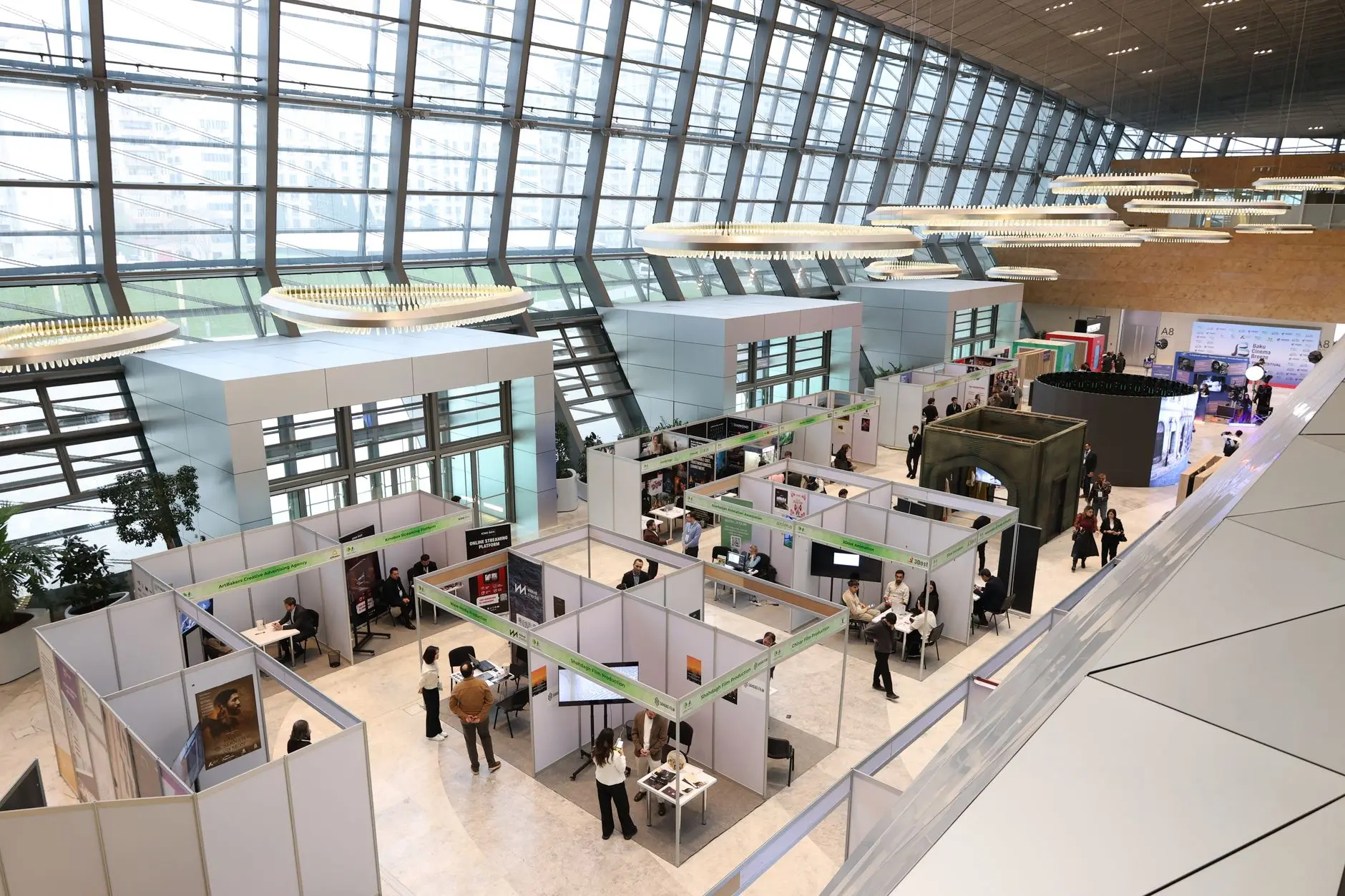
Türkiye has announced an expansion of its state export support mechanisms, providing up to 75% coverage for companies participating in international trade fairs as part of a broader push to accelerate foreign trade and bolster high-value commercial sectors. According to reporting from Türkiye Today, the revised incentive package aims to reduce upfront operational costs for businesses promoting local goods and services globally. Simultaneously, official statements from the Communications Directorate (İletişim Başkanlığı) confirm renewed state emphasis on strengthening domestic healthcare infrastructure through direct investments and targeted incentives. Together with regulatory changes in capital market oversight—including the appointment of a new top market regulator reported by Türkiye Today—and expanding service exports in high-value niches reported by Hürriyet Daily News, the government is repositioning key commercial frameworks to attract international buyers and institutional partners.
Key takeaways
- 75% Subsidy for Global Events: Turkish exporters can now leverage up to 75% state support to participate in international trade fairs, lowering marketing costs for global commercial reach.
- Targeted Sector Expansion: State incentive programs are reinforcing healthcare infrastructure investments while supporting growth in high-value service exports, including luxury destination events.
- Regulatory Leadership Refresh: Türkiye has appointed a new chief market regulator to reinforce financial governance and maintain institutional stability across capital markets.
Expanded Trade Support and Overseas Fair Incentives
The decision to offer up to 75% support for overseas trade fair participation marks a major commitment by Turkish policymakers to elevate the international visibility of local industries. Under the newly expanded incentive scheme, as detailed by Türkiye Today, eligible Turkish firms presenting at recognized foreign exhibitions, industrial expos, and commercial summits can recover three-quarters of qualified participation expenses. This incentive model aims to lower entry barriers for mid-sized manufacturers, exporters, and service providers seeking international distribution channels.
By directly subsidizing international trade show logistics, registration, and booth setup, the government seeks to foster higher-volume B2B engagements across primary export markets in Europe, Asia, and North America. Local commercial associations note that overseas fair participation remains one of the most effective conversion channels for Turkish manufacturers in textiles, industrial machinery, automotive components, and consumer goods. The increased support rate gives Turkish exporters greater leverage to maintain a consistent presence at top-tier global sourcing events, ensuring foreign buyers can reliably discover updated Turkish product lines.
Strategic Sector Development: Healthcare and Service Exports
In parallel with trade fair subsidies, Türkiye continues to direct state investment toward critical infrastructure and specialized service exports. According to statements released by İletişim Başkanlığı, official policy centers on reinforcing healthcare infrastructure through strategic public investments and incentive structures. These initiatives are designed to improve modern hospital capacity, advanced medical technology integration, and specialized clinical care capabilities. Beyond serving the domestic population, these infrastructure upgrades directly strengthen Türkiye's position as a regional hub for medical services and health tourism.
Guide:Turkey Priority Investment Incentives 2026 Explained
At the same time, commercial service providers in Türkiye are successfully capturing growing shares of high-value international service niches. Hürriyet Daily News reported that Turkish hospitality and event management sectors are expanding their footprint in the multi-million-dollar Indian wedding market. Known for high spending on venue bookings, luxury catering, and specialized logistics, these large-scale destination events highlight how Turkish service exporters are diversifying beyond conventional leisure tourism. The convergence of state support for healthcare infrastructure and private-sector momentum in luxury service exports underscores a broader policy push toward high-margin, service-driven foreign exchange earnings.
Capital Market Governance and Market Oversight
Complementing physical export and investment initiatives, Türkiye is addressing institutional oversight within its financial system. As reported by Türkiye Today, the government has appointed a new chief market regulator following a high-profile fund scandal that raised questions about financial market compliance. The administrative change at the helm of the regulatory body signals a intent to tighten regulatory oversight, restore investor confidence, and maintain transparent operations across Turkish capital markets.
For foreign institutional investors and venture funds operating in Türkiye, clear and predictable market regulation is essential. The leadership transition within the primary financial regulator reflects ongoing efforts to enforce statutory compliance, protect market integrity, and streamline administrative procedures for capital inflows. Ensuring strict governance standards remains crucial as Türkiye seeks to balance export-led growth with robust financial market supervision.
What it means for foreign buyers, importers and investors
For international procurement executives and foreign importers, Türkiye's expanded 75% trade fair support means Turkish suppliers will have an expanded presence at major global B2B trade shows. Foreign buyers attending international trade events can expect to meet a wider variety of Turkish suppliers whose attendance costs are heavily offset by state subsidies. This elevated participation translates into better opportunities for direct negotiation, product sampling, and contract discussions without traveling directly to Türkiye for initial sourcing steps.
For foreign investors and corporate groups in health services, medical devices, and hospitality infrastructure, the government's focus on healthcare and service incentives presents concrete opportunities for joint ventures and project development. Türkiye's established infrastructure incentives lower capital expenditure thresholds for healthcare technology integration, specialized hospital management, and related supply chains. Furthermore, for financial investors monitoring Turkish assets, the renewal of financial market leadership provides a clear signal that regulatory agencies are actively managing market integrity, which is a key metric for risk assessment and capital allocation.
Navigating Turkey Investment Incentives and Trade Programs
Accessing Subsidized Trade Fairs and B2B Matches
Foreign buyers seeking to connect with Turkish suppliers can monitor official trade show calendars published by Turkish export associations and chambers of commerce. With 75% state support backing Turkish exhibitors, global procurement teams can expect larger Turkish national pavilions at prominent European, Asian, and Middle Eastern trade expos. Engaging directly with these accredited exhibitors ensures buyers work with verified companies that comply with national trade standards.
Health Infrastructure and Service Sector Opportunities
Foreign medical equipment suppliers, healthcare administrators, and institutional investors can tap into Türkiye's healthcare investment incentives through public-private partnerships or direct corporate investments. State support for health infrastructure typically includes tax breaks, customs exemptions for medical machinery, and allocation of development land for large-scale clinical projects. Similarly, international event organizers and luxury service partners can leverage Türkiye's expanding hospitality infrastructure to co-develop high-margin destination services.
Outlook for Foreign Business and Trade Expansion
The combination of expanded trade incentives, targeted healthcare funding, service export diversification, and updated capital market regulation reflects Türkiye's multi-pronged economic strategy. By lowering participation costs for global trade fairs, the state is facilitating immediate commercial contacts for local exporters and global buyers. Meanwhile, targeted investment incentives in healthcare infrastructure position the country to capture higher-value global service flows. Foreign enterprises evaluating Türkiye as a sourcing origin or investment destination stand to gain from these institutional mechanisms, provided they monitor regulatory updates and align with government-supported incentive structures.
Sources
- Türkiye expands export incentives, offers 75% support for overseas trade fairs — Türkiye Today
- “We endeavor to strengthen our healthcare infrastructure through our investments and incentives” — İletişim Başkanlığı
- Türkiye expands share in million-dollar Indian wedding market — Hürriyet Daily News
- Türkiye appoints new chief market regulator as fund scandal deepens — Türkiye Today
Frequently asked questions
What rate of financial support does Türkiye offer for overseas trade fair participation?
According to recent official updates reported by Türkiye Today, the Turkish government offers up to 75% support to cover qualified expenses for participating in designated international trade fairs.
How do expanded export incentives benefit foreign importers?
The subsidies allow a broader range of Turkish manufacturers and suppliers to showcase products at international B2B exhibitions, making it easier for foreign importers to evaluate suppliers, inspect samples, and negotiate contracts directly.
What is the focus of Türkiye's healthcare investment strategy?
As outlined by the Communications Directorate, the government is focusing on strengthening national healthcare infrastructure through targeted state investments and incentives that support modern medical facilities, advanced technology, and high-quality health services.
How are Turkish service sectors expanding into luxury international markets?
According to reporting from Hürriyet Daily News, Turkish hospitality and event businesses are gaining market share in high-margin service segments, such as hosting multi-million-dollar Indian destination weddings and specialized events.
Why was a new market regulator appointed in Türkiye?
As reported by Türkiye Today, the government appointed a new chief market regulator to bolster capital market governance, ensure strict compliance, and strengthen financial market integrity amid an ongoing fund investigation.
More on this topic: Turkey Investment Incentives: Regions, Free Zones and Support