Turkish Exports to Neighboring Countries Hit $23.4B
Strong regional commercial integration drives Turkey export trade to $23.4 billion across neighboring markets during the January-October period.
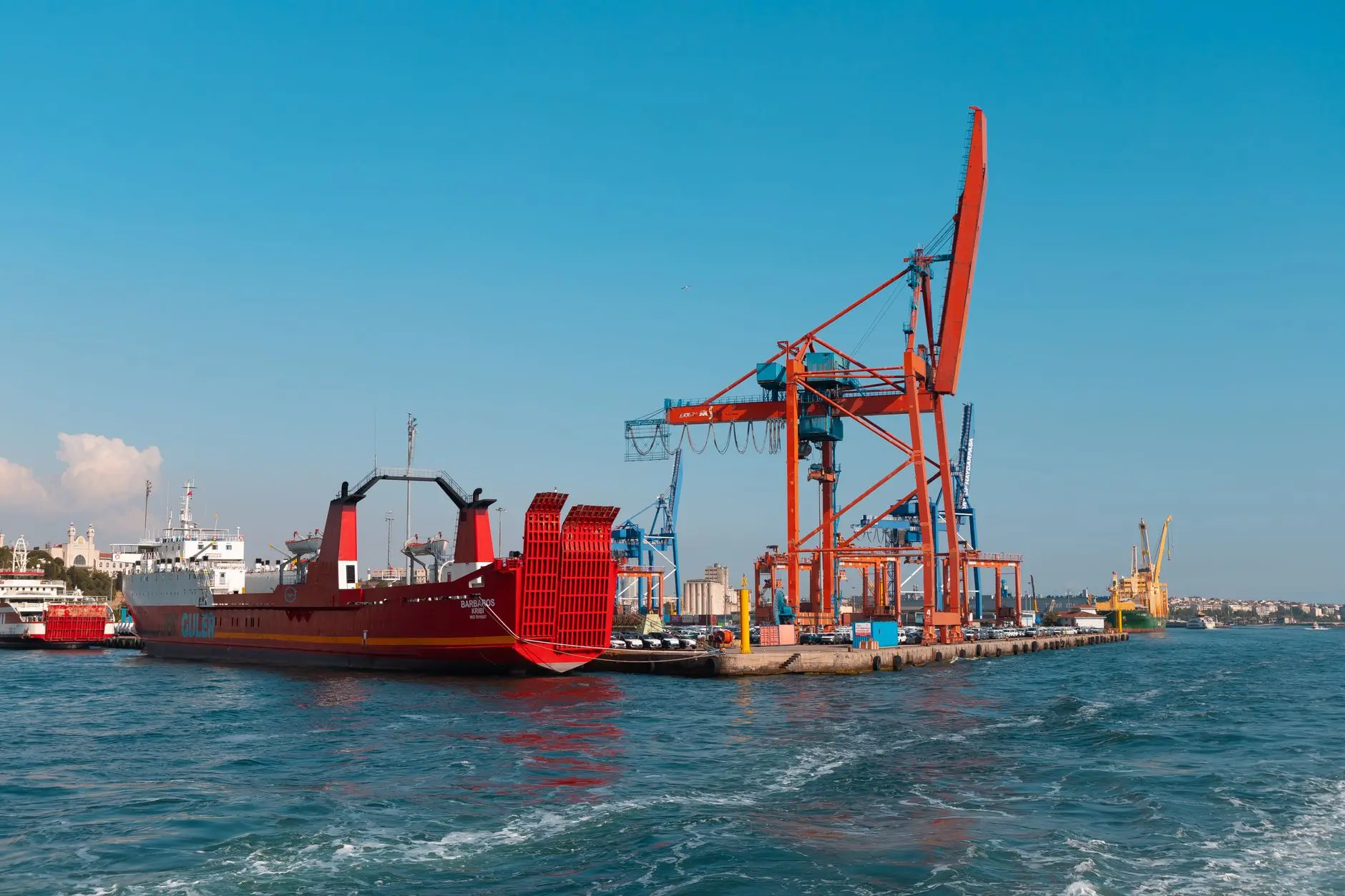
Turkish exports to neighboring countries reached $23.4 billion during the January-October period, according to official trade data reported by Anadolu Ajansı and Hürriyet Daily News. The robust performance underlines Türkiye's expanding commercial influence and central position in regional supply networks connecting Europe, Asia, and the Middle East. For international buyers and investors, the sustained growth in turkey export trade highlights the country's manufacturing resilience and logistical efficiency across bordering markets.
Key takeaways
- Strong Regional Trade: Türkiye recorded $23.4 billion in exports to adjacent countries between January and October.
- Strategic Logistics Hub: Cross-border commercial flows benefit from Türkiye's modern infrastructure and established trade routes.
- Supply Chain Integration: Foreign buyers and regional partners continue leveraging Turkish industrial capacity for nearshoring solutions.
Regional Trade Volume Surges in January-October
Data published by Anadolu Ajansı and Hürriyet Daily News reveals that Turkish shipments to neighboring countries totaled $23.4 billion in the first ten months of the year. This trade performance reflects steady foreign demand for Turkish manufactured goods, agricultural products, and industrial inputs across nearby land and maritime borders.
Türkiye's geographic position allows manufacturers to serve neighboring markets with significantly shorter transit times compared to East Asian suppliers. The $23.4 billion export volume demonstrates how regional buyers increasingly rely on Turkish industrial infrastructure for rapid order fulfillment and flexible order volumes.
Strategic Logistics and Nearshoring Advantage
The sustained volume of exports to bordering nations underscores Türkiye's strategic role as a nearshoring destination. In recent years, global supply chain disruptions have prompted companies to seek reliable production hubs closer to key consumer markets. Türkiye's mature manufacturing base and extensive transport links have positioned local suppliers as primary trade partners throughout the region.
Guide:OEM Manufacturers in Turkey: OEM vs ODM Guide
Integrated transport links—including extensive highway networks, rail corridors, and modern port infrastructure—continue to facilitate the movement of goods across borders. This logistical connectivity helps maintain predictable transit schedules, reducing inventory carrying costs for regional importers and international businesses operating in adjacent markets.
What it means for foreign buyers and international businesses
For international companies involved in turkey export trade, the high volume of regional shipments provides clear operational benefits. Strong export activity indicates robust manufacturing capacity, ongoing investment in quality control, and established logistics channels that foreign buyers can leverage when sourcing from Türkiye.
Foreign buyers establishing operations or procurement offices in Türkiye gain access to an agile vendor base accustomed to managing international cross-border requirements. The continuous flow of exports to neighboring states reinforces market stability, ensuring that suppliers maintain operational scale and competitive pricing models.
Trade Diversification and Market Resilience
Diversifying export destinations remains a core economic priority for Türkiye. Strong trade performance in neighboring territories helps offset fluctuating demand in traditional Western markets, creating a more balanced export portfolio. This resilience ensures that manufacturing facilities operate at high capacity utilization rates, supporting long-term production capability.
Furthermore, supplier ecosystems in Türkiye benefit from scale economies driven by both domestic demand and broad regional export markets. As local manufacturers scale up production to serve neighboring economies, foreign importers gain access to upgraded facilities, modern machinery, and specialized industrial knowledge.
Outlook for Regional Turkish Commerce
As regional trade figures continue to show positive momentum, Türkiye is likely to deepen its economic ties with neighboring countries through modernized customs procedures and infrastructure upgrades. Continued investment in cross-border logistics hubs and simplified clearance mechanisms will facilitate further growth in export trade volumes.
For global procurement executives and investors, monitoring these trade patterns offers clear guidance on regional market dynamics. Türkiye's strategic location and expanding export capacity position the country as a durable partner for international supply chain strategies.
Sources
- Turkish exports to neighboring countries reach $23.4 billion in January-October — Hürriyet Daily News
- Turkish exports to neighboring countries reach $23.4B in January-October — Anadolu Ajansı
Frequently asked questions
What was the total value of Turkish exports to neighboring countries in January-October?
According to reports by Anadolu Ajansı and Hürriyet Daily News, Turkish exports to neighboring countries reached $23.4 billion during the January-October period.
Why is turkey export trade growing in neighboring markets?
Growth is driven by Türkiye's geographical proximity, short transport lead times, competitive manufacturing capabilities, and strong cross-border logistics infrastructure.
How does strong regional trade benefit foreign buyers sourcing from Türkiye?
High export volumes give suppliers operational scale, modern technology, and reliable logistics networks, which translates into flexible production and dependable delivery schedules for foreign buyers.
What infrastructure supports Türkiye's cross-border trade?
Türkiye relies on a modern network of highways, rail freight connections, border customs facilities, and major maritime ports to maintain continuous trade with neighboring countries.
Does regional trade growth support supply chain nearshoring?
Yes, foreign businesses increasingly use Türkiye as a nearshoring base to reduce shipping times and mitigate global supply chain risks across European and regional markets.
More on this topic: Sourcing from Turkey: Manufacturers, Suppliers and Production