Turkish Textile and Apparel Sourcing Shifts Regionally
International apparel investors turn to Turkish retail giants while domestic garment manufacturers consolidate nearshore production and regional buying missions expand.
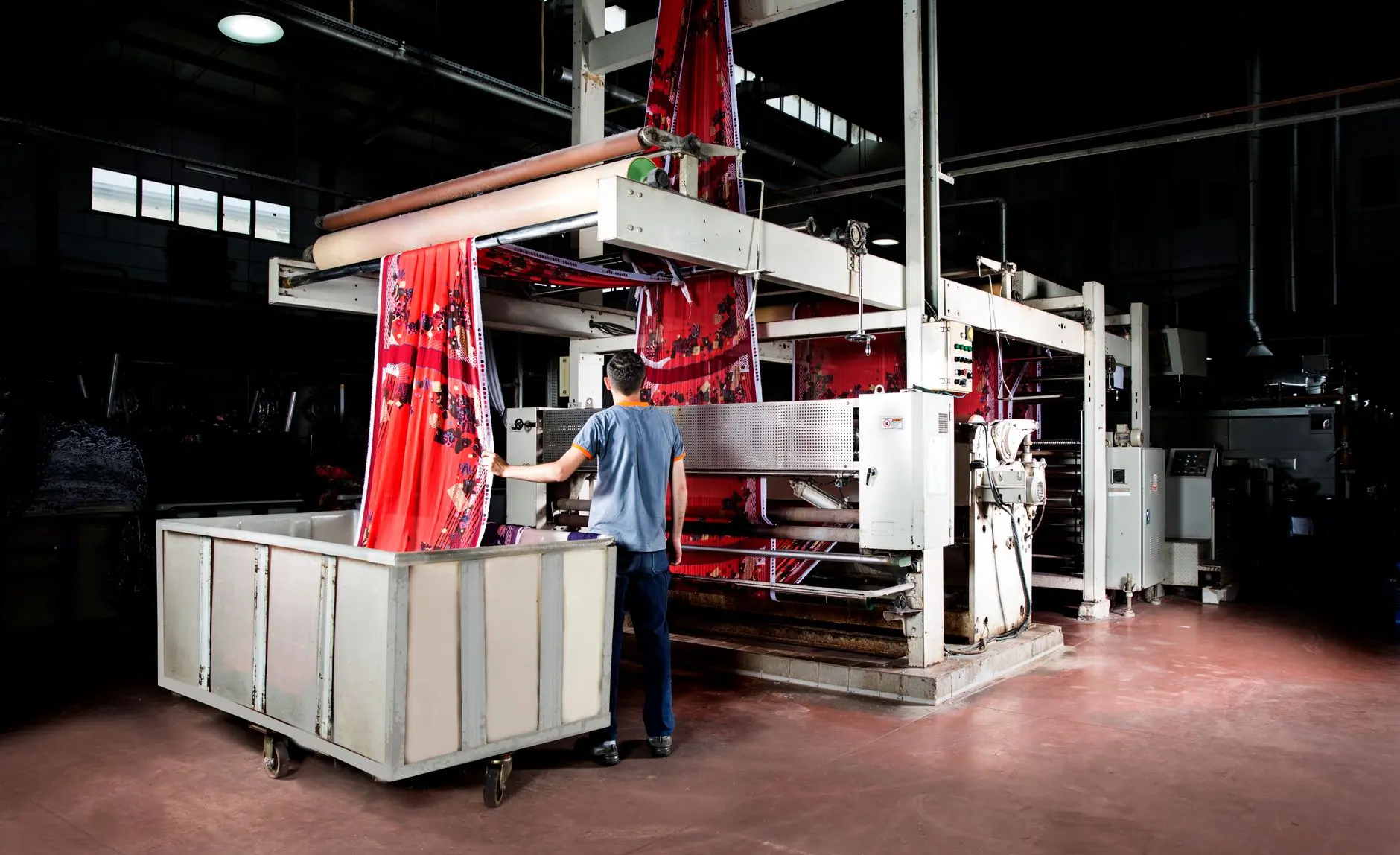
Türkiye’s textile, retail, and apparel sectors are undergoing a significant strategic realignment across regional supply chains, marked by operational shifts in Southeast Europe, high-level international investment into domestic retail giants, and renewed regional commercial partnerships. Turkish textile manufacturers are adjusting their nearshoring strategies in Eastern Europe, while global luxury industry leaders are demonstrating growing confidence in Türkiye’s domestic retail market. At the same time, regional trade initiatives—including specialized sourcing missions from neighboring European nations and bilateral economic talks with Central Asian partners—are driving new commercial channels for Turkish suppliers and foreign buyers alike.
Key takeaways
- Turkish apparel producers are shifting regional nearshoring strategies after missing target milestones in foreign manufacturing hubs like Serbia.
- International luxury fashion leaders, including Valentino’s chairman, are backing Türkiye’s established retail giants, highlighting confidence in high-end consumer demand.
- Targeted regional purchasing events, such as the Bulgarian Buying Mission, and expanded trade talks with Turkmenistan are opening direct procurement routes for foreign buyers.
Nearshoring adjustments and operational realignments for Turkish textile manufacturers
In recent years, several major Turkish textile manufacturers expanded production footprints into Eastern and Southeastern Europe to gain closer access to European Union markets and optimize labor costs. However, operational realities have prompted a strategic shift. As reported by Türkiye Today, Turkish textile manufacturers have begun closing factories in Serbia after target projections and operational expectations fell short of initial goals. This move reflects a broader recalibration among Turkish apparel producers, who are reassessing foreign facility operations in favor of strengthening core production bases within Türkiye or optimizing cross-border logistics.
The retreat from Serbian manufacturing hubs highlights the challenges faced by Turkish producers trying to balance rising international operational costs with stringent EU delivery schedules. Rather than maintaining underperforming overseas facilities, domestic apparel groups are concentrating capital on local production efficiencies, digital transformation, and high-value manufacturing capabilities inside Türkiye. For international brands sourcing from these suppliers, this consolidation reinforces Türkiye’s role as the primary engine for textile and garment manufacturing in the region.
International luxury backing and expanded trade missions
While manufacturing footprints adapt, Türkiye’s retail and brand landscape is attracting high-profile international confidence. According to Vogue, Valentino’s chairman has placed a major strategic bet on Türkiye’s oldest retail giant, signaling strong faith in the country's luxury ecosystem and high-end consumer market. This investment underscores the resilience of Türkiye’s commercial retail infrastructure and its position as a major luxury shopping bridge connecting Europe, the Middle East, and Central Asia.
Guide:OEM Manufacturers in Turkey: OEM vs ODM Guide
Parallel to retail investments, regional sourcing initiatives are active. As detailed by SeeNews, official invitations were issued for the "Sourcing from Türkiye II – Bulgarian Buying Mission," bringing European buyers directly into contact with Turkish manufacturers. Furthermore, Trend News Agency reported that high-level economic meetings in Ankara focused on strengthening bilateral economic relations between Türkiye and Turkmenistan, expanding commercial cooperation in key sectors including textiles, raw materials, and industrial trade across Central Asia.
What it means for foreign buyers and investors
For international apparel brands, sourcing agencies, and retail investors, these parallel developments carry practical strategic implications:
- Direct Sourcing Focus: As Turkish textile manufacturers consolidate operations back home, foreign procurement managers should focus on direct partnerships with primary production facilities inside Türkiye rather than satellite plants in neighboring non-EU countries.
- Retail and Brand Partnerships: Strategic backing from global leaders like Valentino’s chairman signals long-term stability in Türkiye’s premium retail sector, creating opportunities for international brands seeking franchise, distribution, or joint-venture partners.
- Bilateral Trade Facilitation: Foreign buyers in neighboring European and Central Asian markets can leverage structured buying missions and bilateral economic agreements to streamline contract negotiations, custom clearances, and volume purchases.
How foreign companies can navigate supplier selection in Türkiye
With production models consolidating and international demand evolving, foreign firms seeking reliable manufacturing partners in Türkiye must adopt structured vetting procedures.
Vetting manufacturing standards and capacity
Foreign buyers should conduct rigorous on-site audits to verify actual factory capacity, compliance with environmental regulations, and adherence to international labor standards. Direct site visits ensure that domestic suppliers maintain the necessary quality control mechanisms expected by European and North American importers.
Utilizing official trade channels and missions
Participating in organized trade delegations, such as the Bulgarian Buying Mission, offers international companies structured access to verified suppliers. These government- and association-backed programs help bypass intermediary costs and provide transparent framework agreements for cross-border trade.
Outlook for Turkish textile sourcing and trade
The consolidation of regional production hubs indicates that Turkish garment manufacturers will continue to double down on domestic competitive advantages, including skilled labor, vertical integration, and proximity to major European markets. As high-level international investors back Turkish retail infrastructure and trade channels expand across Eastern Europe and Central Asia, Türkiye remains a vital, resilient hub for global apparel sourcing and consumer market expansion.
Sources
- Turkish textile manufacturers shut Serbian factories as ambitious targets missed — Türkiye Today
- Why Valentino’s Chairman Is Betting on Türkiye’s Oldest Retail Giant — Vogue
- OFFICIAL INVITATION LETTER - “Sourcing from Türkiye II – Bulgarian Buying Mission” — SeeNews
- Ankara meeting targets stronger Türkiye-Turkmenistan economic relations — Trend News Agency
Frequently asked questions
Why are some Turkish textile manufacturers closing operations in Eastern Europe?
Producers are realigning strategies after initial nearshoring targets fell short, choosing to consolidate capital and manufacturing capacity back into primary facilities inside Türkiye.
What is driving foreign luxury investment into Turkish retail?
International luxury executives recognize the long-term consumer purchasing power, strategic geographic position, and strong retail infrastructure present in Türkiye’s market.
How do trade missions benefit foreign companies importing from Türkiye?
Trade missions offer direct, pre-screened meetings with verified Turkish manufacturers, lowering procurement risks and streamlining supply chain negotiations.
What sectors are central to Türkiye-Turkmenistan economic talks?
Economic discussions focus on strengthening bilateral trade across industrial goods, raw materials, energy, and textile supply chains.
Is Türkiye still a competitive sourcing destination for European buyers?
Yes, Türkiye remains a top sourcing hub due to fast lead times, modern manufacturing infrastructure, vertical integration, and flexible production capabilities.
More on this topic: Sourcing from Turkey: Manufacturers, Suppliers and Production