Turkey Proposes New Black Sea Shipping Safety Plan
Ankara is developing a maritime mechanism to safeguard commercial vessels and maintain food commodity flows through the Turkish Straits.
Ankara Proposes New Maritime Protection Framework
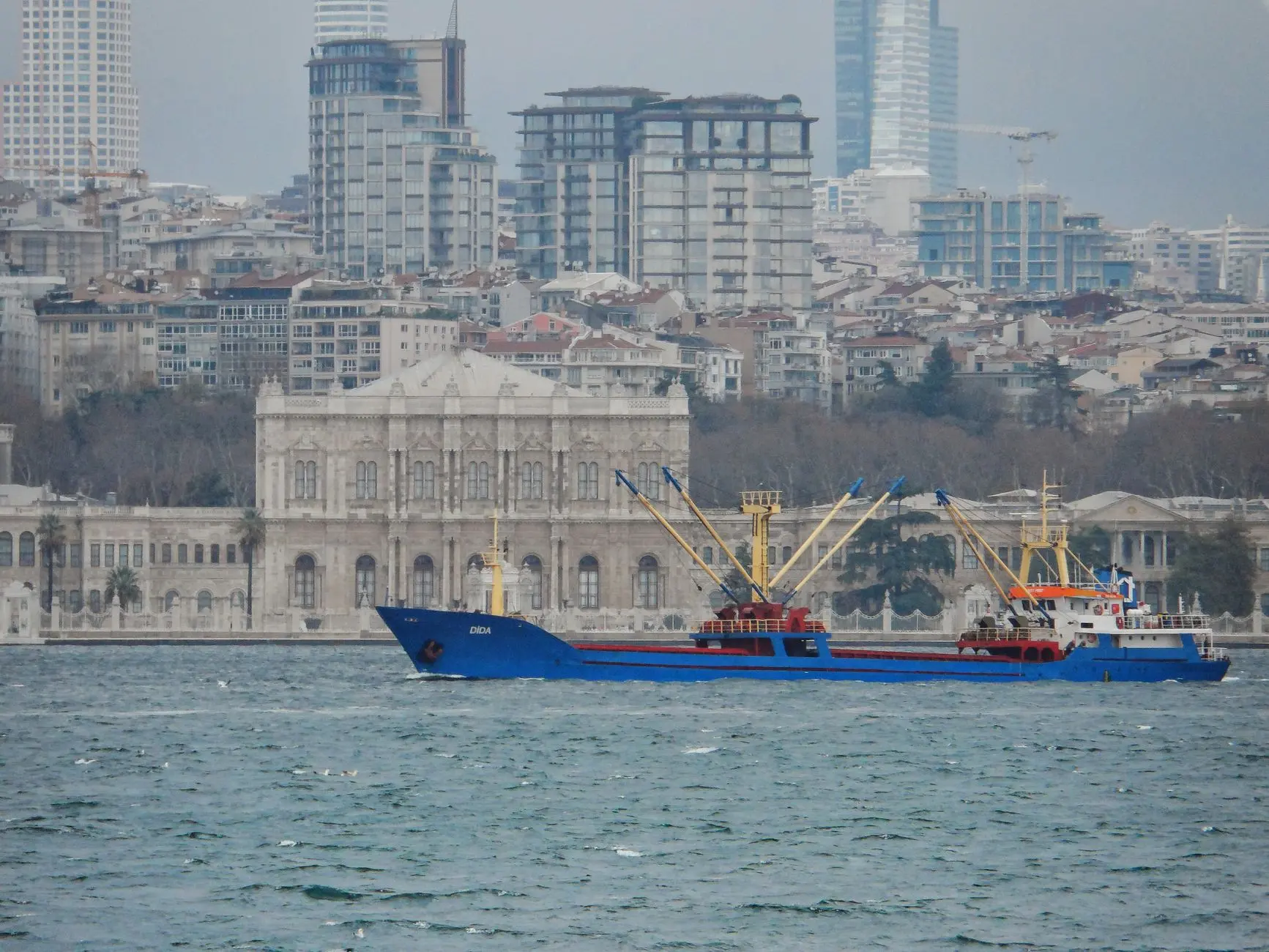
Türkiye has initiated work on a dedicated maritime mechanism to guarantee the safe navigation of commercial shipping in the Black Sea and preserve international food supply lines, Turkish Permanent Representative to the United Nations Ahmet Yıldız told a UN Security Council briefing on Nov. 23. The proposal comes as escalating security risks in the waterway threaten commercial vessels, port facilities, and regional trade stability.
Addressing the council, Yıldız stated that Türkiye intends to leverage its diplomatic contacts and past mediation experience to establish the safety framework. The move draws on lessons from the 2022 Black Sea Grain Initiative, which was brokered by Ankara and the UN to facilitate humanitarian corridors from Ukrainian ports before Russia withdrew from the arrangement in July 2023. During its operational period, the initial agreement facilitated the export of nearly 33 million tons of food products.
Grain Ship Transits Through the Bosphorus Fall 63 Percent
The imperative for a new maritime agreement stems from a sharp reduction in transit volumes passing through the Turkish Straits. According to World Food Programme Executive Director Luke Lindberg, who spoke at the same UN Security Council briefing, the number of wheat and maize vessels navigating the Bosphorus by mid-October was 63 percent lower than at the same point in 2025. Lindberg warned that approximately 10 million tons of Russian and Ukrainian wheat risk failing to reach global markets this year due to ongoing shipping disruptions.
To mitigate escalating naval tensions since the start of the conflict, Türkiye has enforced Article 19 of the Montreux Convention, effectively closing the Turkish Straits to naval warships belonging to belligerent powers. Turkish officials emphasized that Ankara will continue executing the provisions of the 1936 convention faithfully and impartially while advancing commercial safety protocols.
Guide:Company Formation in Turkey 2026: Steps, Costs, Timeline
Attacks on Merchant Ships Raise the Stakes for Grain Buyers
The proposal follows months of attacks on merchant shipping. UN political affairs chief Rosemary DiCarlo told the same meeting that the UN human rights office had recorded reports of 164 attacks on commercial vessels between June and October in Ukraine's Odesa and Mykolaiv regions and the Black Sea. It had verified 15 of those attacks, which killed at least 21 workers and injured 43, Hürriyet Daily News reported.
For importers of wheat and maize, the figures point in one direction. Grain ship transits through the Bosphorus were 63 percent lower by mid-October than a year earlier, and the World Food Programme warned that around 10 million tons of Russian and Ukrainian wheat could fail to reach global markets this year. Buyers who rely on Black Sea origins have less of that supply to count on until passage becomes safer.
What remains unclear is when the Turkish mechanism could take effect and which countries would join it. Neither the briefing nor the reports on it set out a timetable, and no other party has yet said it accepts the proposal.
Sources
- Türkiye draws up plan to secure Black Sea shipping — Hürriyet Daily News
- Türkiye's 'effective mechanism' secures Black Sea shipping, food supplies — TRT World
More on this topic: Doing Business in Turkey: Company Setup, Tax and Compliance