Turkish Manufacturers Expand Regional Sourcing Ties
Turkish textile and industrial producers are boosting regional sourcing and expanding production footprints across neighboring markets like Egypt and Turkmenistan amid evolving sustainability demands.
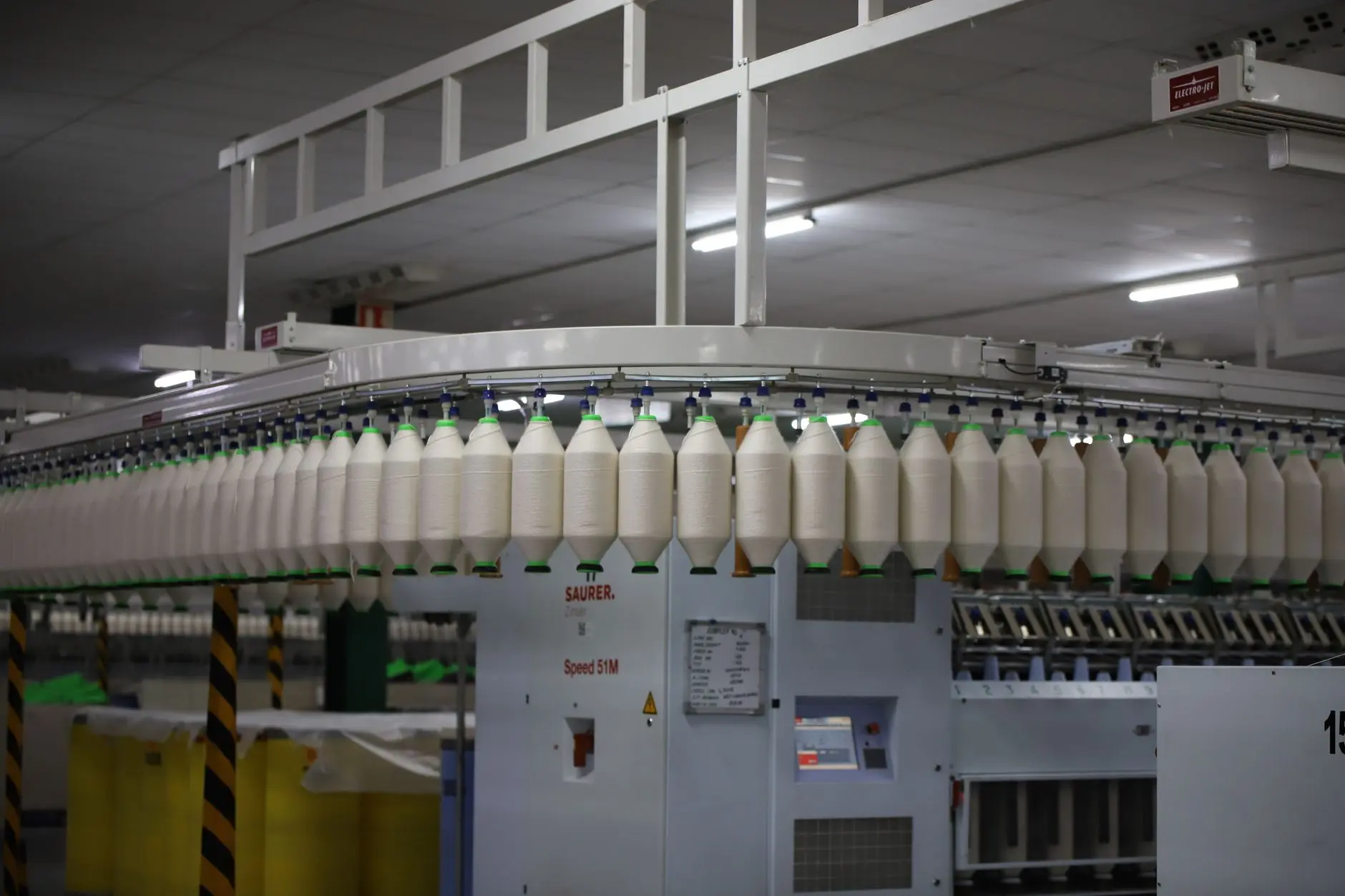
Turkish Producers Build Cross-Border Links and Address Sustainability Challenges
Turkish textile manufacturers and industrial firms are strengthening cross-border trade networks and international investments across neighboring regions, reflecting a broader strategic push to maintain global competitiveness. Recent developments highlight deepening production ties with Egypt and raw material transactions with Central Asian partners like Turkmenistan. At the same time, domestic operations face scrutiny over industrial recycling practices and workplace safety standards in key manufacturing sectors.
As international supply chains shift toward nearshoring and regional integration, Türkiye's industrial ecosystem is increasingly operating across multiple borders. According to reports from Asharq Al-Awsat, Turkish investments in Egypt have expanded significantly, consolidating bilateral business ties despite past political differences. Meanwhile, regional raw material sourcing continues to play a vital role, evidenced by a $55,000 cotton fabric transaction registered on Turkmenistan's state commodity exchange with a buyer from Türkiye, as reported by Trend News Agency.
Key takeaways
- Regional Production Networks: Turkish manufacturers are accelerating direct investments in North Africa, particularly Egypt, to optimize export costs and expand global market reach.
- Raw Material Supply Chains: Sourcing agreements with Central Asian suppliers, including Turkmenistan, help sustain Türkiye's textile manufacturing throughput.
- Sustainability and Compliance: Growing international scrutiny around industrial recycling and worker safety in sectors like ceramics underscores the importance of ESG audits for foreign buyers.
Expanding Industrial Investments in Egypt and Central Asia
The expansion of Turkish manufacturing into Egypt represents a major structural shift for industrial firms seeking cost efficiencies and strategic trade access. Asharq Al-Awsat reported that Turkish capital investments in Egypt have continued to grow, strengthening commercial linkages between the two nations even during periods of diplomatic tension. For turkey textile manufacturers, setting up operations or joint ventures in North Africa offers access to favorable trade agreements with European and American markets alongside lower operational costs.
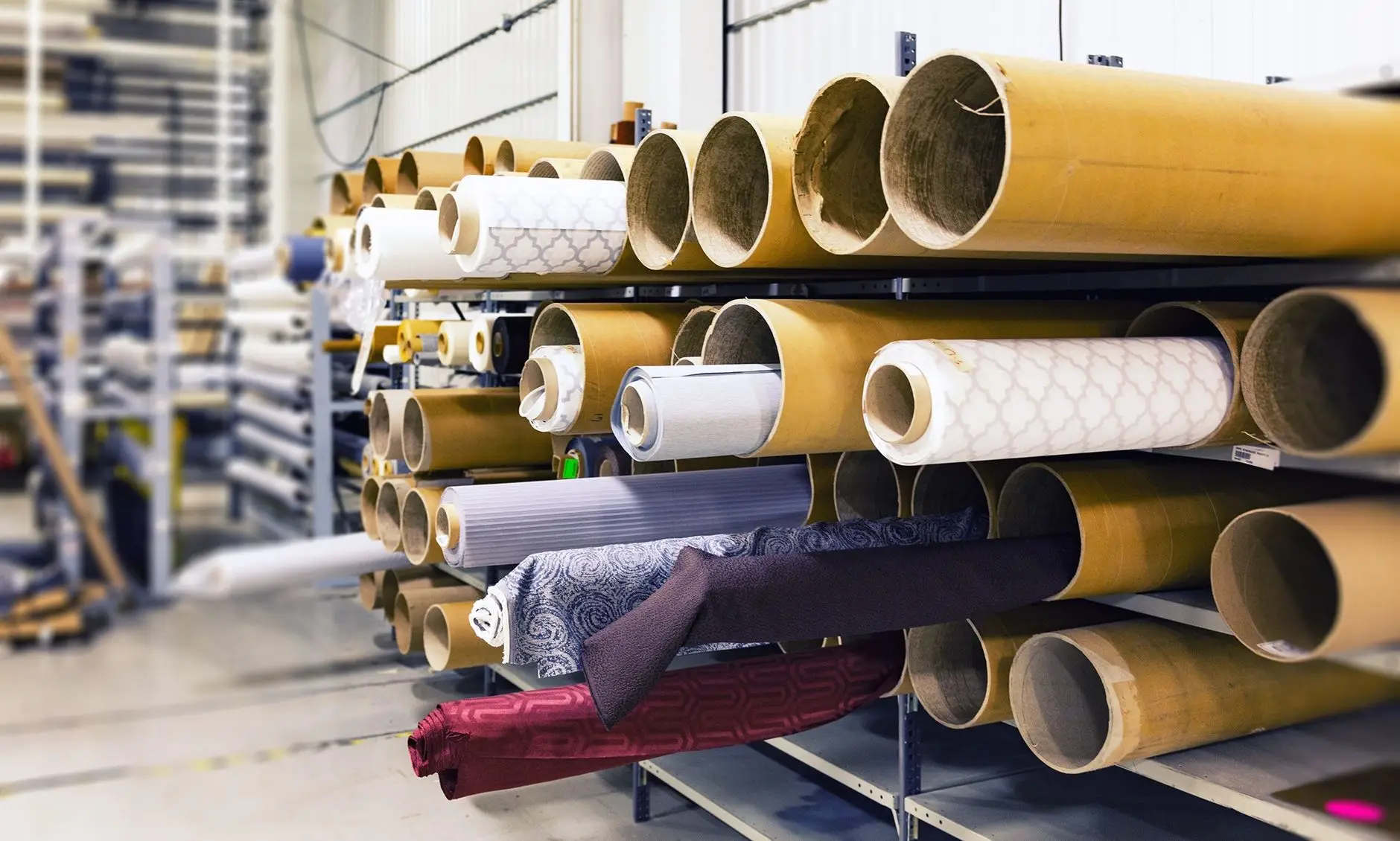
Parallel to outward investments, securing reliable raw material inputs remains central to Türkiye's industrial operations. According to Trend News Agency, Turkmenistan's State Commodity and Raw Materials Exchange recently executed a $55,000 trade deal for cotton fabric destined for Türkiye. Central Asian cotton and fabric inputs serve as critical feedstocks for downstream Turkish apparel and home textile manufacturing, enabling factories to meet high EU and US export demand.
Guide:OEM Manufacturers in Turkey: OEM vs ODM Guide
Navigating Recycling Debates and Industrial Safety Standards
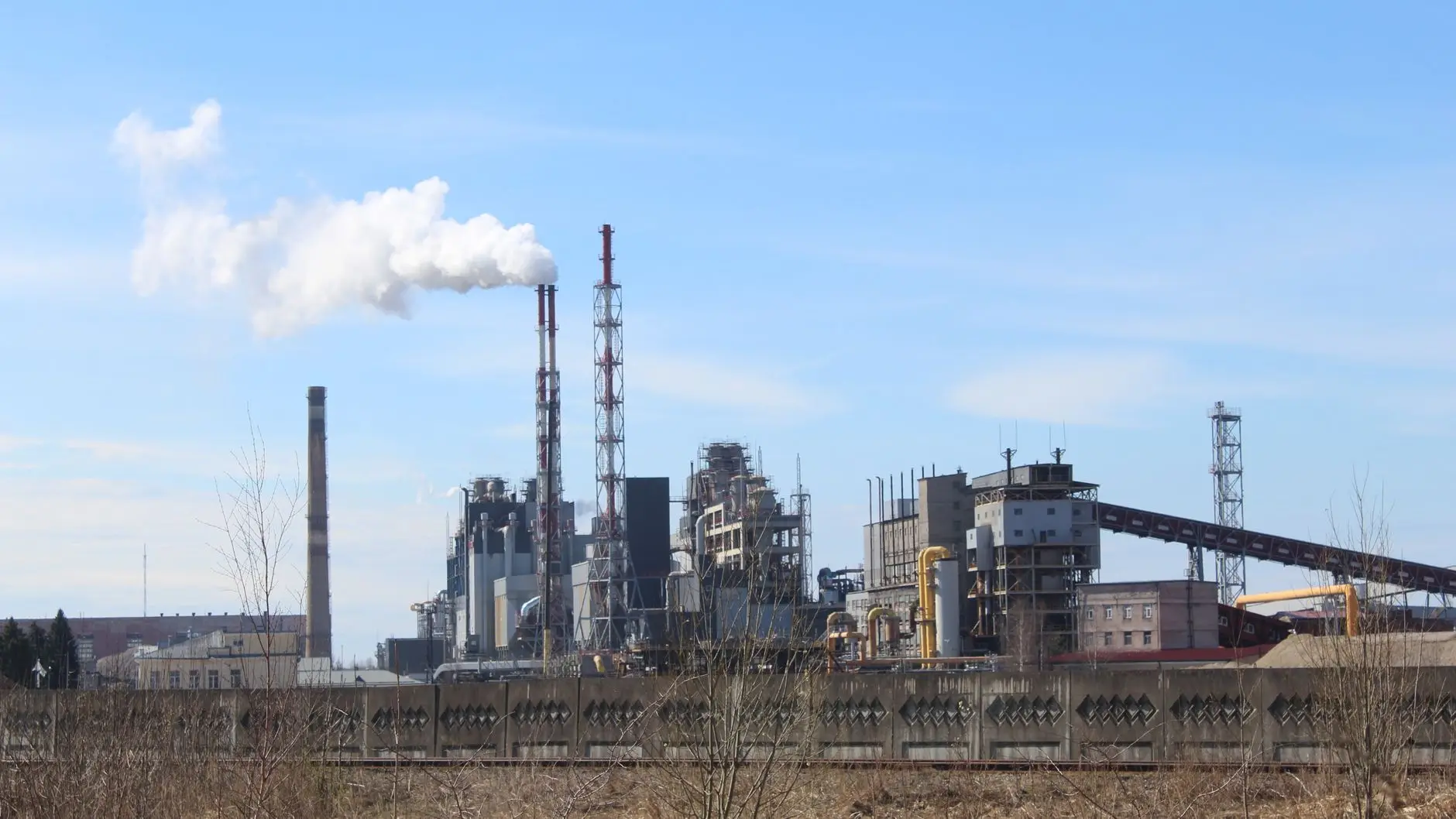
At home, Türkiye's position as a major recycling hub is attracting heightened international attention. An analysis by EL PAÍS English examined whether Türkiye is emerging as a premier green recycling power or facing challenges related to importing Europe's industrial waste. As European regulations like the EU Green Deal impose stricter circular economy rules, Turkish waste processing and recycling facilities are under pressure to demonstrate high environmental compliance to retain international trade credibility.
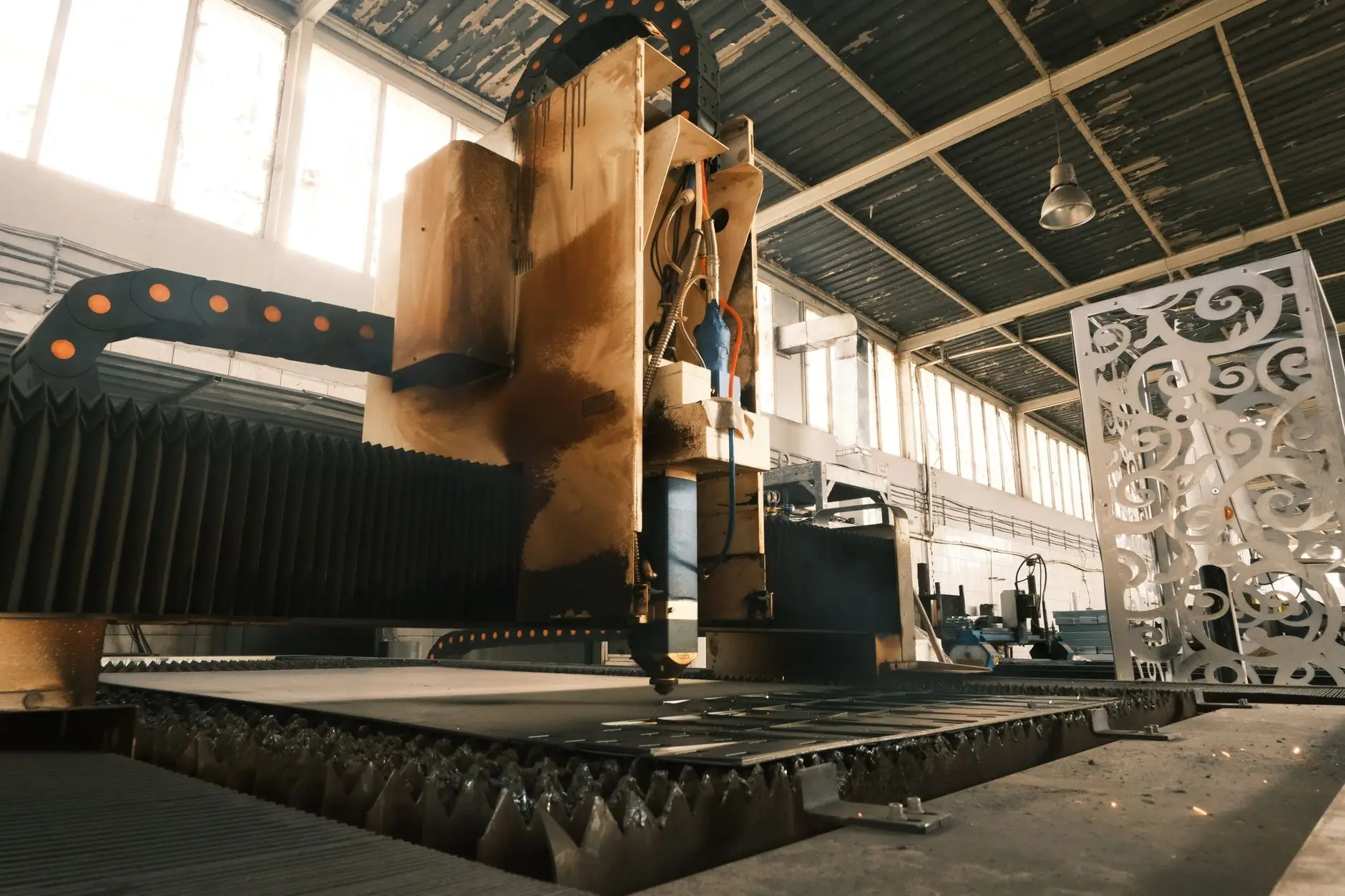
Occupational health standards are also under the spotlight in heavy industrial sectors. A study highlighted by Bioengineer.org revealed that one third of evaluated Turkish ceramic workers were diagnosed with pneumoconiosis, a severe occupational lung condition caused by dust inhalation. This finding highlights the operational risks inherent in industrial production and the necessity for factories to implement modern dust extraction systems and workplace protection measures.
What it means for foreign buyers and investors
For international buyers sourcing from turkey textile manufacturers or industrial producers, these structural changes require a dual focus on supply chain efficiency and environmental, social, and governance (ESG) compliance. Sourcing managers benefit from Türkiye’s flexible supply networks and regional raw material links, which offer resilience against global logistics disruptions. However, international brand managers must implement rigorous supplier audits to ensure that sub-contractors and raw material providers strictly observe labor safety and waste management standards.
Foreign investors looking at joint ventures or production facilities in Türkiye should also evaluate how Turkish companies utilize regional bases such as Egypt for re-export opportunities. Integrating Turkish manufacturing expertise with secondary regional production locations can optimize logistics schedules and tariff structures, provided that health and safety compliance is standard across all facility sites.
Key Compliance Areas for International Procurement
Evaluating Workplace Safety Standards
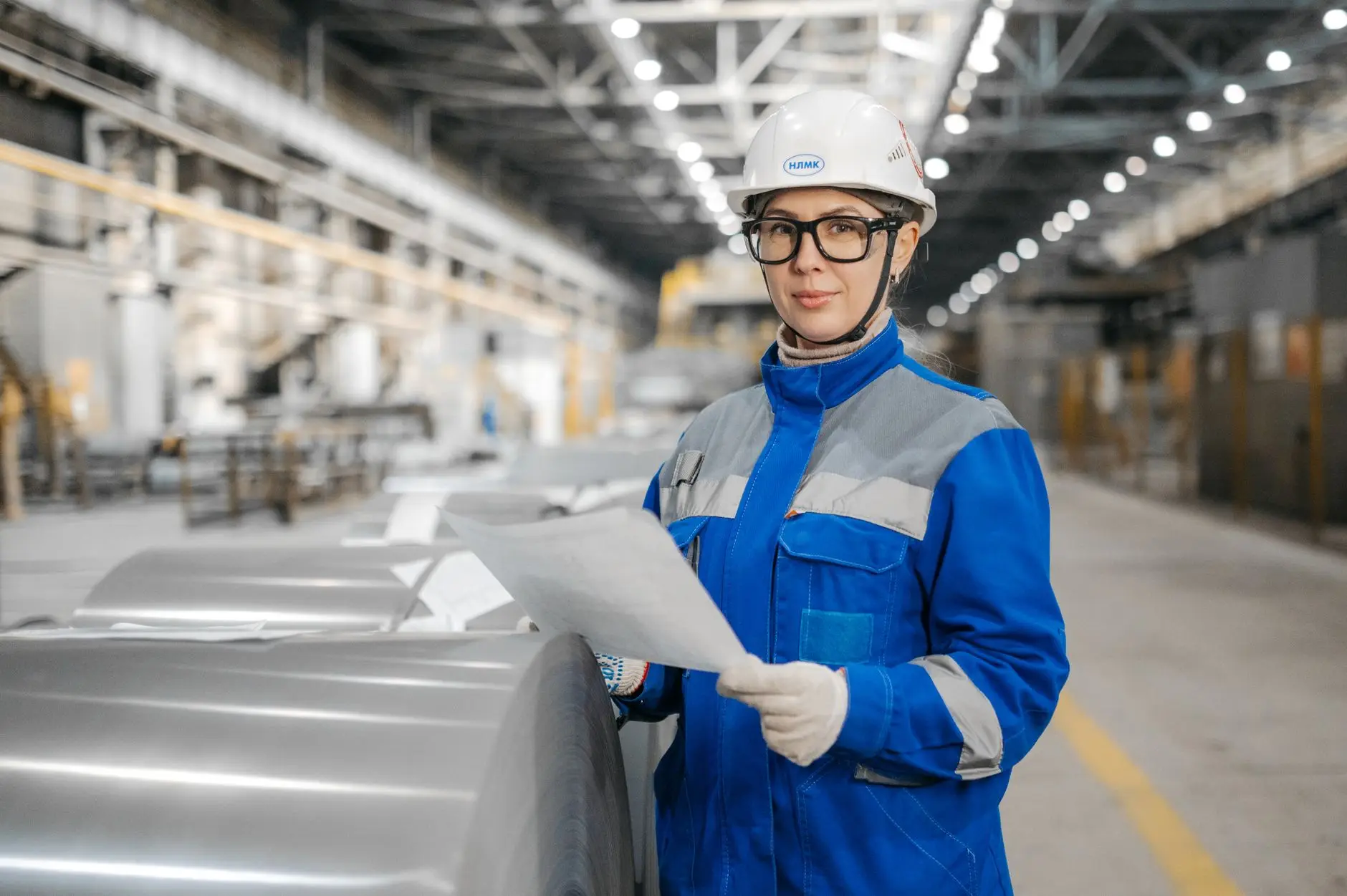
Importers purchasing ceramics, textiles, or industrial goods from Türkiye should request proof of recent occupational health and safety certifications. Ensuring suppliers adhere to strict dust control and air filtration protocols protects buyers against supply chain interruptions caused by regulatory closures or audit failures.
Verifying Sustainability Credentials
With EL PAÍS English noting the ongoing debate around waste processing and recycling in Türkiye, foreign companies must verify that their manufacturing partners operate transparent recycling pipelines and comply with European waste transport regulations.
Sources
- Turkey: an emerging recycling power or Europe’s dump? — EL PAÍS English
- Turkish Investments in Egypt Strengthen Ties Despite Political Differences — ASHARQ AL-AWSAT English
- One Third of Evaluated Turkish Ceramic Workers Diagnosed With Pneumoconiosis — Bioengineer.org
- Turkmenistan exchange makes $55,000 deal for cotton fabric with Türkiye — Trend News Agency
Frequently asked questions
Why are turkey textile manufacturers investing in manufacturing facilities in Egypt?
Turkish manufacturers invest in Egypt to capitalize on lower production costs and benefit from favorable trade agreements, allowing them to serve European, US, and regional markets more cost-effectively.
Where do Turkish textile producers source raw materials like cotton fabric?
Turkish producers source raw materials both domestically and through trade deals with Central Asian partners, such as cotton fabric purchases negotiated via Turkmenistan's commodity exchange.
What ESG risks should buyers monitor when sourcing ceramics from Türkiye?
Buyers should monitor occupational health standards, particularly respiratory health risks such as pneumoconiosis among factory workers, by ensuring suppliers enforce proper ventilation and safety protocols.
How does recycling in Türkiye impact international buyers?
As Türkiye processes significant volumes of recyclable materials, international buyers targeting EU markets must ensure their Turkish suppliers use verifiably sustainable and legally compliant recycling streams.
How can foreign businesses mitigate compliance risks when sourcing from Turkish suppliers?
Foreign businesses can mitigate risks by conducting comprehensive factory audits, requesting independent health and safety documentation, and ensuring full traceability of raw materials across the supply chain.
More on this topic: Sourcing from Turkey: Manufacturers, Suppliers and Production