Turkey Jewelry Exports Target $20B Amid Trade Shift
Türkiye’s jewelry sector targets over $20 billion in exports as regional trade dynamics shift across steel, energy, and chemical supply networks.
Türkiye’s export performance and regional commodity flows are gaining momentum across key high-value and industrial sectors. According to Hürriyet Daily News, sector leaders project that Türkiye’s jewelry exports could exceed $20 billion, highlighting the country's rising prominence as a global manufacturing hub for precious metals and gemstones. At the same time, regional trade flows involving industrial inputs, petrochemicals, and energy infrastructure are rebalancing across the Mediterranean and neighboring markets.
Key takeaways
- Jewelry exports expanding rapidly: Türkiye's jewelry sector head projects annual export volumes could top $20 billion as foreign demand increases.
- Shift in steel and industrial goods: Türkiye-Libya trade dynamics are evolving with increased exports of hot-rolled coil (HRC) steel alongside rising scrap metal imports.
- Regional supply integration: Chemical and fertilizer imports from Egypt to Türkiye have grown 20% to surpass $1 billion, while Iraq has resumed oil flow through Türkiye's Ceyhan port.
Jewelry exports head toward $20 billion milestone
Türkiye's precious metals and jewelry manufacturing industry is experiencing significant export growth. As reported by Hürriyet Daily News, industry leadership expects the country's jewelry exports to potentially clear the $20 billion mark. Strong manufacturing capacity, skilled craftsmanship, and competitive design capabilities have enabled Turkish jewelers to expand their international market presence across the Middle East, Europe, and the Americas.
This growth reflects broader structural investments in precious metal refining, high-volume production facilities, and specialized free zones designed to support international trade compliance. For international buyers, the expansion of the Turkish jewelry industry provides a diversified supply network alongside traditional manufacturing centers in East Asia and Western Europe.
Shifting regional trade in steel, energy, and raw materials
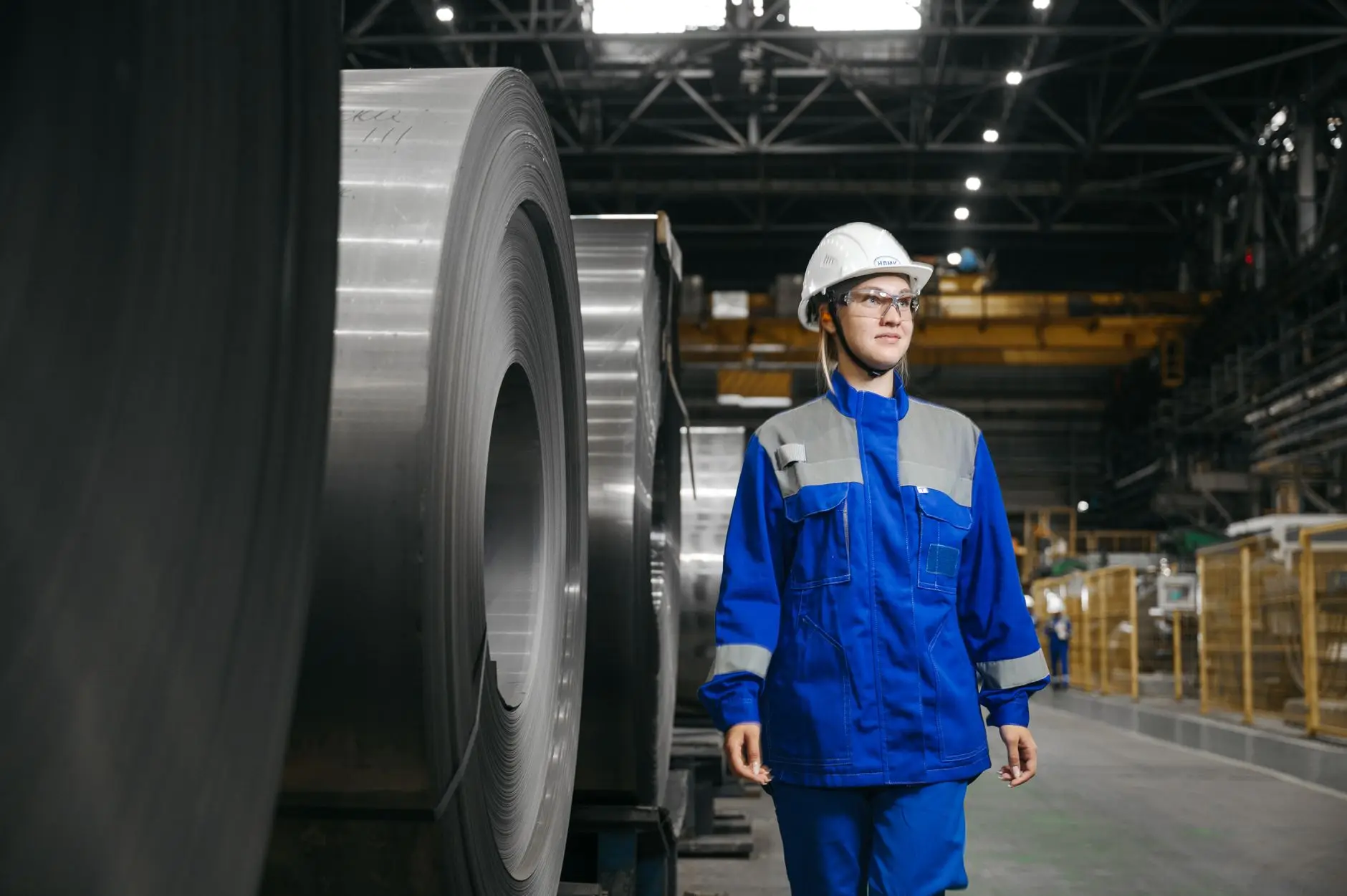
Beyond finished consumer goods, industrial trade flows around Türkiye are adapting to changing regional demand patterns. SteelRadar reports a shift in the steel trade between Türkiye and Libya, marked by an increase in Turkish hot-rolled coil (HRC) steel exports alongside rising scrap metal imports back into Türkiye. This bidirectional steel trade highlights Türkiye's role as a major regional converter of scrap metal into finished structural and flat steel products.
Guide:OEM Manufacturers in Turkey: OEM vs ODM Guide
Energy and raw material logistics are also adjusting across regional borders. According to EnergyNow, international oil prices reacted after Iraq officially resumed crude oil exports via Türkiye's Ceyhan port terminal, restoring a critical transit corridor for regional energy supplies. Meanwhile, reports from IranOilGas indicate that Iranian petrochemical firms have been granted permission to import fee-free transit electricity originating from Türkiye. In bilateral industrial inputs, official Egyptian state portal reports state that Egypt’s chemical and fertilizer exports to Türkiye expanded by 20%, exceeding $1 billion and reinforcing raw material supply lines for Turkish agricultural and industrial processors.
What it means for foreign buyers and investors
For international sourcing directors and retail buyers in the jewelry and luxury sectors, Türkiye's expanding output offers increased supply capacity and competitive lead times. The sector's ambition to cross $20 billion in export value signals enhanced trade infrastructure, broader product range availability, and stronger export logistics for precious items.
For industrial buyers, manufacturers, and commodity traders, the integration of regional input markets—such as Egyptian chemicals and Libyan scrap—ensures continuous raw material supplies for Turkish factories. Foreign companies sourcing steel, fabricated metals, or chemical derivatives benefit from stable supply chains backed by strategic transit assets like the Ceyhan port hub.
Supply chain outlook for regional trade partners
As cross-border energy flows and raw material exchanges stabilize, trade relationships between Türkiye, Mediterranean partners, and neighboring economies are becoming increasingly interconnected. The combined expansion of downstream consumer goods exports, such as jewelry, alongside upstream raw material transit reinforces Türkiye's dual status as both a regional industrial processing center and an export gateway to global markets.
Sources
- Iranian petrochemical firms allowed to import fee-free transit electricity from Turkey — IranOilGas
- Türkiye’s jewelry exports could exceed $20 billion: Sector head — Hürriyet Daily News
- Türkiye-Libya steel trade shifts as HRC exports and scrap imports increase — SteelRadar
- Egypt's chemical, fertilizer exports to Turkey rise 20% to exceed $1 billion — الهيئة العامة للاستعلامات
- Oil Falls After Iraq Resumes Oil Exports via Turkey’s Ceyhan Port — EnergyNow
Frequently asked questions
What is the growth potential for sourcing jewelry from Türkiye?
Sector leadership projects that Turkish jewelry exports could surpass $20 billion, driven by strong manufacturing infrastructure, competitive pricing, and broad international market access.
How are Türkiye's steel trade flows evolving regionally?
Recent trade data indicates an increase in Turkish hot-rolled coil (HRC) exports to markets such as Libya, balanced by rising imports of scrap metal for domestic reprocessing.
What role does Türkiye play in regional energy transit?
Türkiye serves as a major energy transit hub, exemplified by the resumption of Iraqi crude oil shipments via the Ceyhan port and cross-border electricity transmission lines.
How large is the chemical and fertilizer trade between Egypt and Türkiye?
Egypt's exports of chemicals and fertilizers to Türkiye have increased by 20%, reaching over $1 billion in total trade volume to support local processing industries.
More on this topic: Sourcing from Turkey: Manufacturers, Suppliers and Production