Turkey Logistics Hub Gains $10B Middle Corridor Boost
A $10 billion rail infrastructure investment and new Turkic agreements strengthen Türkiye's position as a vital Middle Corridor transit hub for international trade.
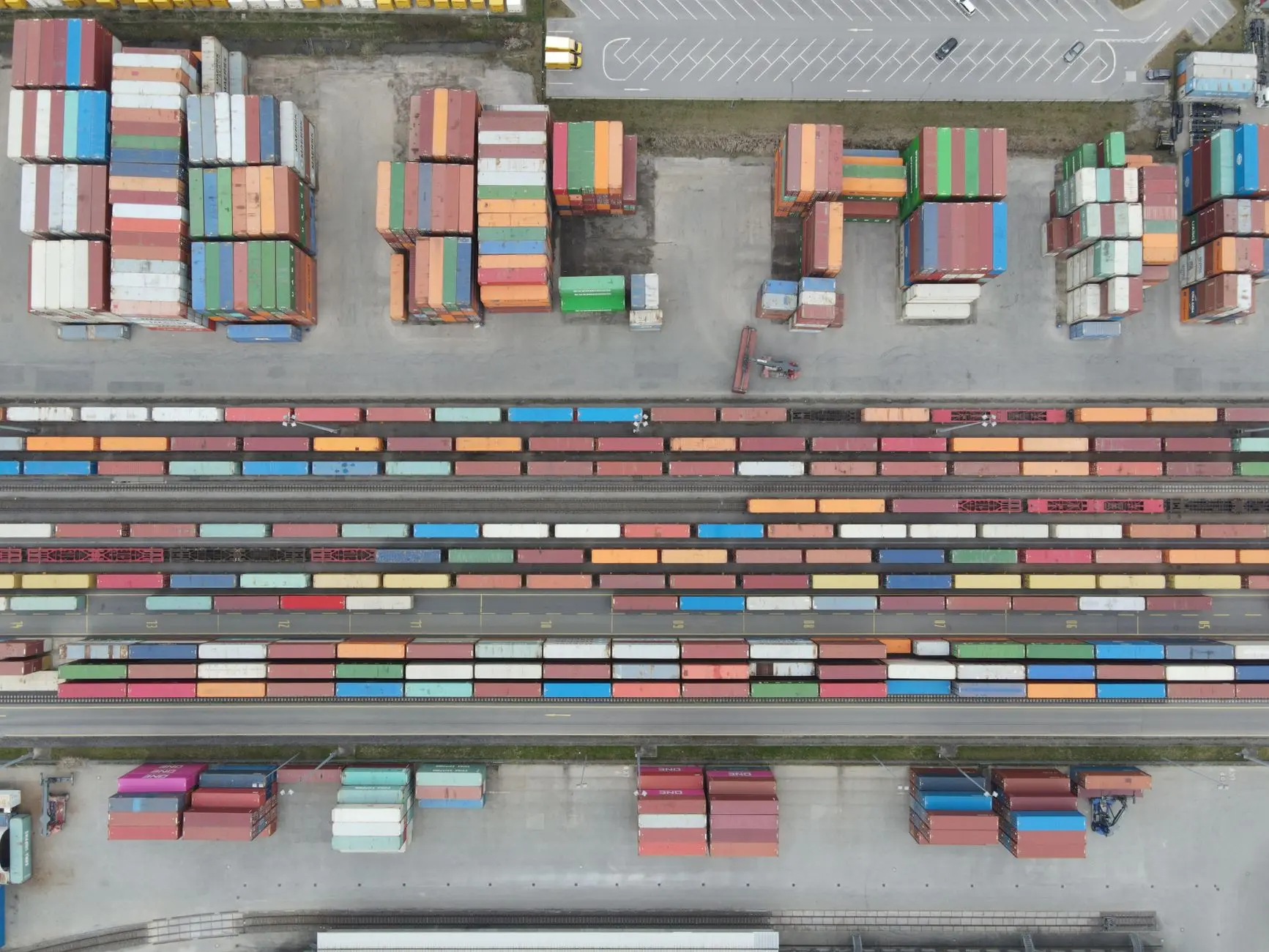
Türkiye is committing $10 billion into Middle Corridor rail infrastructure to solidify its position as an essential transit conduit between Europe and Asia as ongoing regional conflicts upend established Eurasian trade routes. The capital commitment is accompanied by diplomatic and transport initiatives across Central Asia, including the signing of the Ankara Declaration among Turkic states and expanded bilateral coordination with Kazakhstan. Concurrently, regional maritime security remains a central operational priority following trilateral Black Sea talks where Ankara reaffirmed its policy of keeping the Turkish Straits closed to warships while coordinating commercial navigation safety.
Key takeaways
- Türkiye is committing $10 billion to Middle Corridor rail infrastructure to bypass disrupted Northern trade corridors and accelerate East-West freight movement.
- Turkic states have signed the Ankara Declaration with Türkiye taking the helm, deepening transport, trade, and customs cooperation with Kazakhstan and neighboring states.
- Trilateral Black Sea talks confirmed that the Turkish Straits will remain closed to naval warships, while Greece raised objection to the Turkey-Libya maritime deal and called for a Black Sea shipping truce.
Accelerating the Middle Corridor: $10B Rail Plan and Central Asian Alliances
As conflicts disrupt traditional Eurasian transit routes, Türkiye is accelerating investments to transform the Trans-Caspian International Transport Route—commonly known as the Middle Corridor—into the primary overland link between China, Central Asia, and Europe. According to Türkiye Today, the Turkish government is pouring $10 billion into national rail infrastructure to remove bottlenecks, expand high-capacity freight capacity, and interlink domestic industrial zones directly with eastern border crossings and western ports.
This massive infrastructure spend is aligned with expanding diplomatic and economic integration across Central Asia. As reported by The Times of Central Asia, Kazakhstan and Türkiye are deepening their strategic partnership to streamline border crossings, harmonize transit tariffs, and improve container throughput across the Caspian Sea. The partnership aims to provide international logistics providers and cargo owners with a reliable, shorter alternative to longer maritime routes or politically risky northern transit lines.
Multi-country integration reached another landmark during recent summit meetings where member countries signed the Ankara Declaration. Muslim Network TV reported that Türkiye has assumed the helm of the Organization of Turkic States, placing trade facilitation, transport corridor optimization, and customs digitization at the top of its agenda. These combined moves signal a concerted efforts by regional governments to guarantee seamless transit privileges for international supply chains passing through Central Asia and Türkiye.
Guide:Turkey Corporate Tax for Foreign Companies: Territorial Rule
Black Sea Maritime Safety and Eastern Mediterranean Geopolitics
While overland rail investments gather momentum, security across adjacent maritime routes remains critical for global shipping operators. According to the Shipping Telegraph, recent trilateral Black Sea talks concluded with extended coordination protocols to protect commercial shipping corridors. During these discussions, Turkish representatives reconfirmed that Ankara will strictly maintain its stance under international conventions, keeping the Turkish Straits completely shut to military warships to prevent escalating tensions in commercial sea lanes.
Despite operational coordination on shipping safety, geopolitical friction persists across neighboring waters. As reported by Reuters and Turkish Minute, Greek Prime Minister Kyriakos Mitsotakis publicly declared the Turkey-Libya maritime boundaries agreement "void" while calling for an international truce regarding commercial Black Sea shipping following recent attacks on maritime assets in the region. The remarks reflect ongoing diplomatic debates over maritime jurisdiction in the Eastern Mediterranean, even as commercial operators seek stable navigation conditions in the Black Sea.
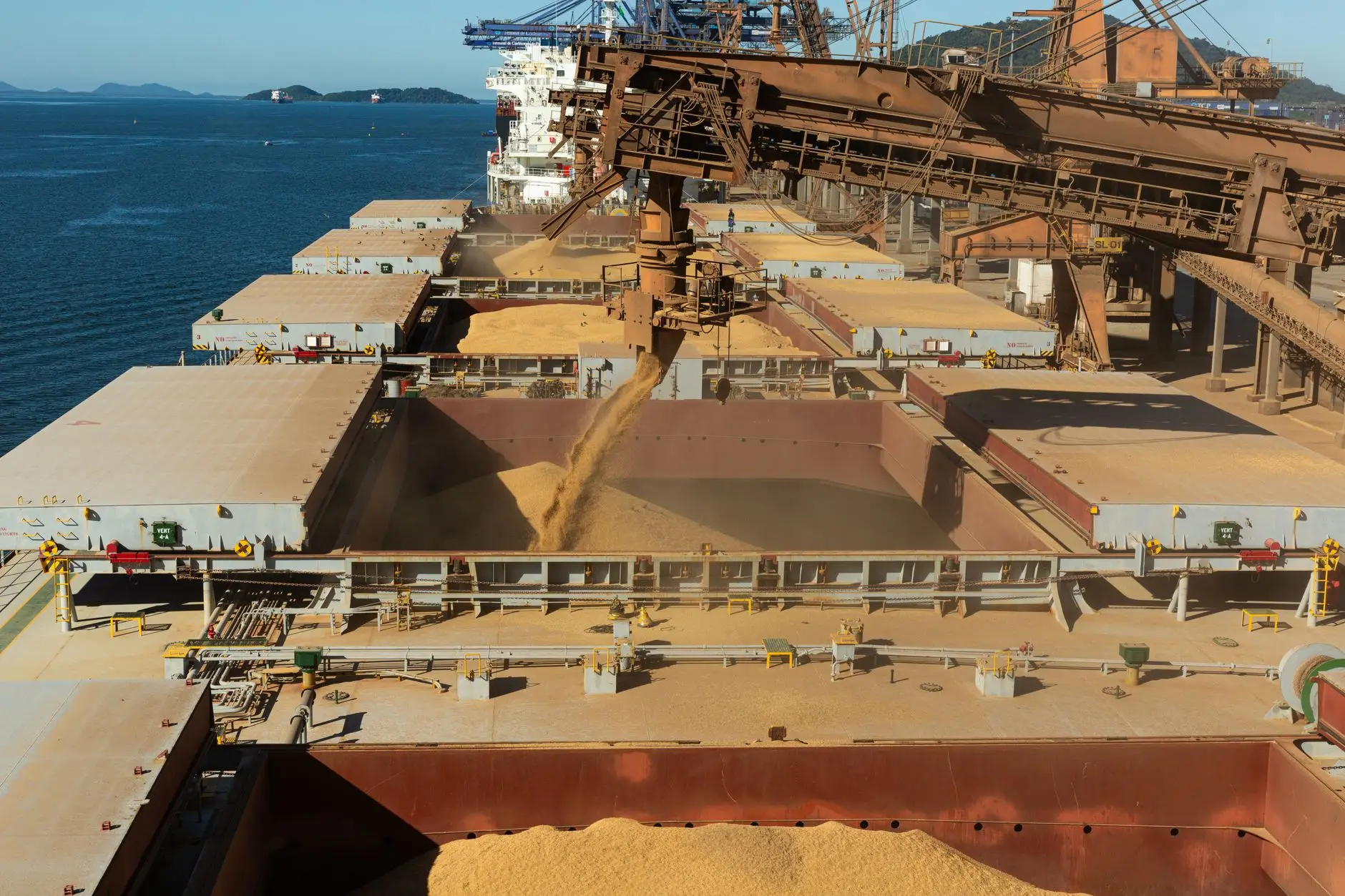
For global supply chain operators, the combination of enforced naval neutrality in the Turkish Straits and active multilateral diplomacy provides a vital layer of operational stability. Maintaining open, safe sea lines through the Black Sea remains crucial for bulk commodity trade, grain shipments, and industrial raw material flows connecting Southeastern Europe with Mediterranean shipping hubs.
What it means for foreign buyers, investors, and logistics operators
For international businesses relying on a resilient turkey logistics hub, these infrastructural and diplomatic developments significantly reduce transit uncertainty across Eurasian supply lines. Foreign buyers sourcing finished goods, industrial equipment, or textiles from Türkiye stand to benefit from enhanced rail freight capacity that connects Turkish manufacturing hubs directly with European distribution networks. Improved cross-border processing speeds across Central Asia also mean that raw materials imported from Asian markets can reach Turkish factories with fewer unexpected delays.
For foreign investors establishing operations in Türkiye, the multi-billion-dollar rail commitment highlights government backing for export-oriented manufacturing and logistics zones. Combining high-speed rail lines with major container terminals enables multinational companies to establish regional procurement and warehousing hubs in Türkiye, serving both European and Middle Eastern markets efficiently. Investors can leverage these investments to construct integrated supply chains that minimize exposure to geopolitical bottlenecks elsewhere in Eurasia.
Importers and freight forwarders must nevertheless remain attentive to maritime regulatory developments and regional security dynamics. While rail capacity along the Middle Corridor offers speed advantages, bulk cargo movement through the Black Sea and Aegean requires active monitoring of maritime routing rules, vessel insurance parameters, and regional diplomatic updates. Aligning logistics strategies with Türkiye's upgrading rail network provides a direct hedge against sea lane volatility.
Navigating Turkish Transit Corridors: Key Supply Chain Factors
Middle Corridor vs. Northern Route Diversification
Shippers seeking alternatives to overland transport through northern Eurasia are increasingly routing containerized cargo through the Middle Corridor. Türkiye's $10 billion rail investment specifically addresses historical capacity constraints by modernizing rail tracks, constructing inland dry ports, and improving intermodal rail-to-sea transfer terminals along the Caspian and Black Sea coasts.
Port Access and Intermodal Integration
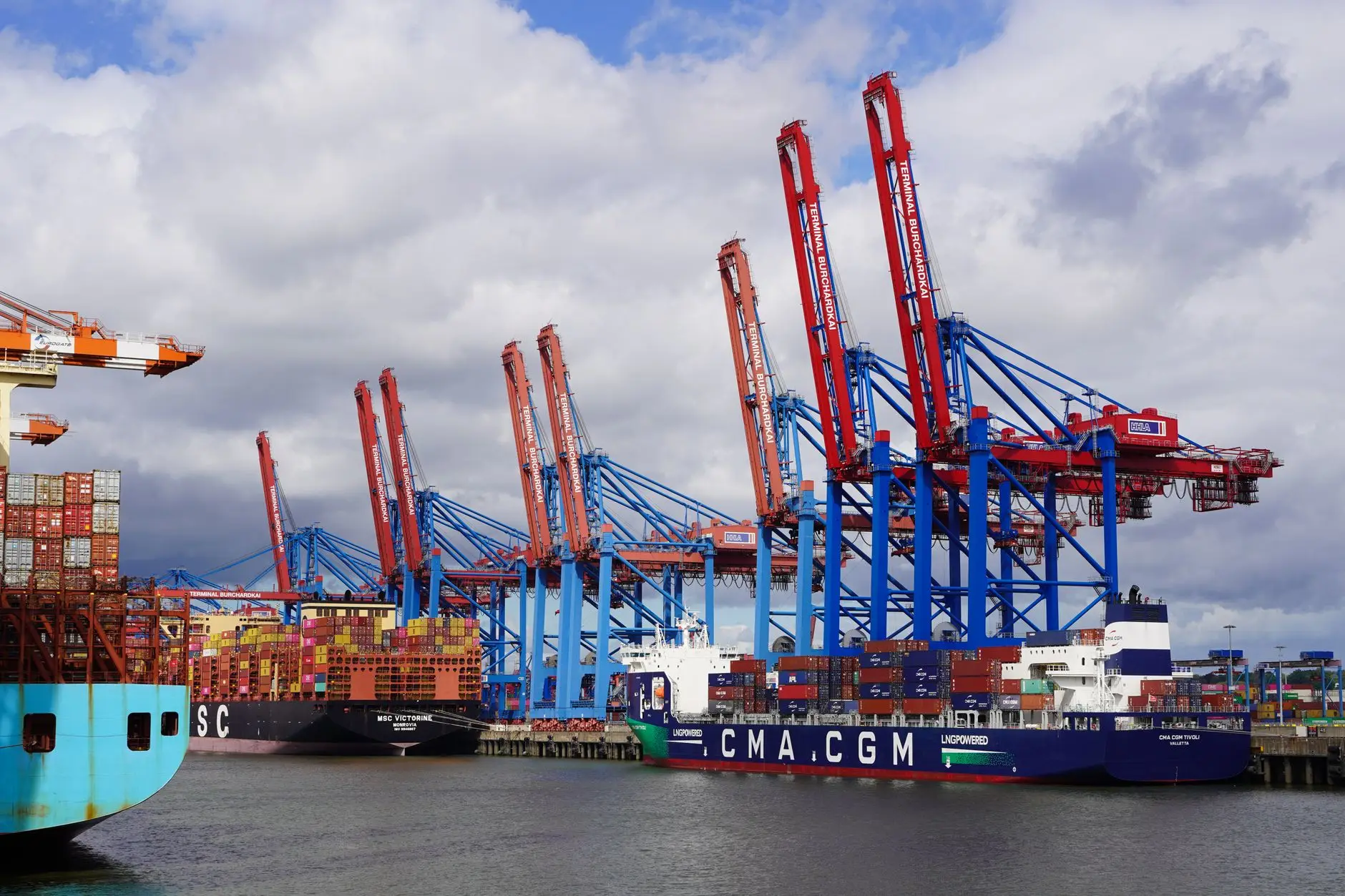
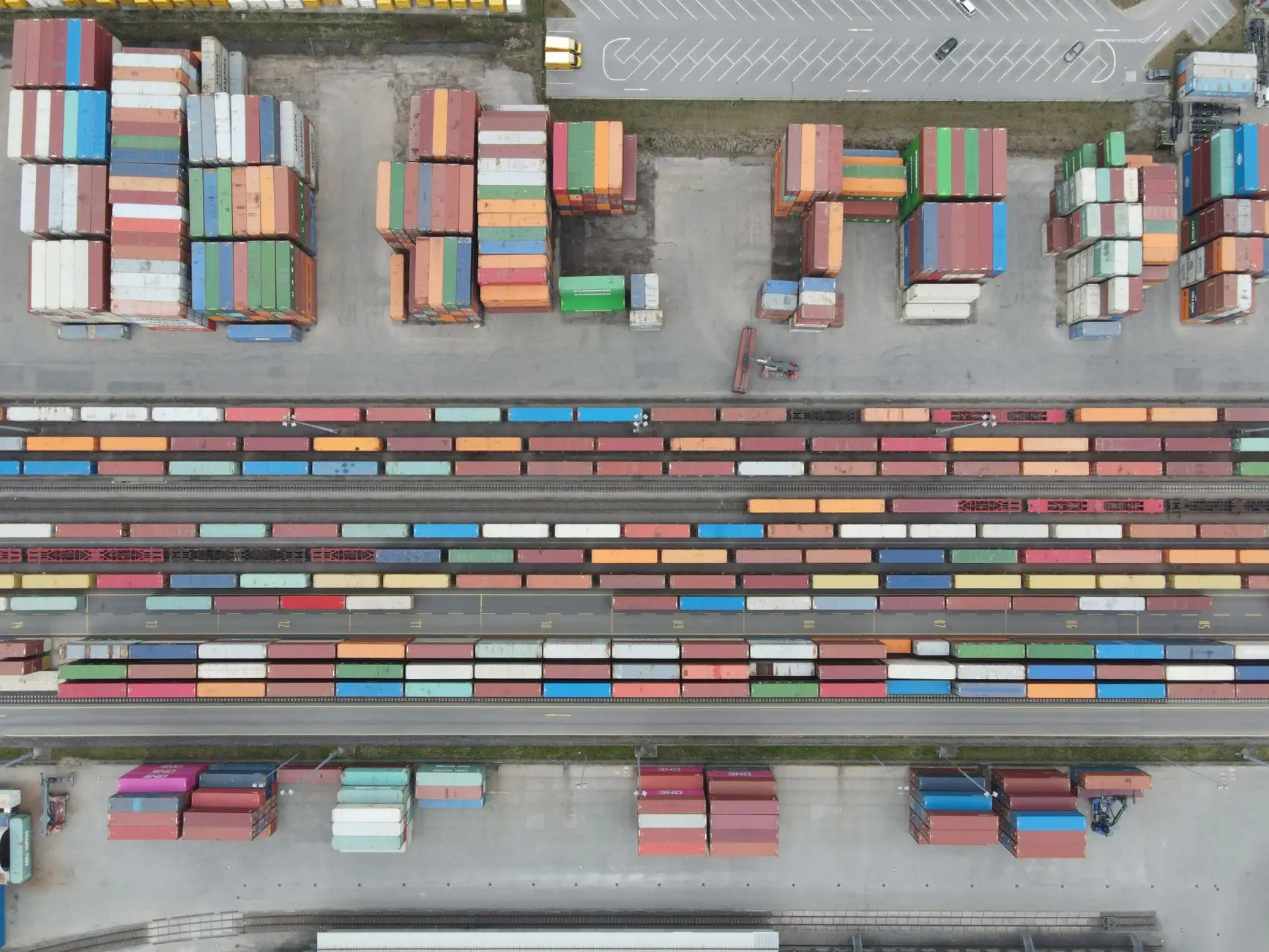
To maximize transit speed, Turkish logistics planners are integrating high-capacity rail lines directly into primary deep-sea container ports on the Marmara, Aegean, and Mediterranean seas. Foreign buyers and exporters can capitalize on these intermodal connections to route cargo efficiently between domestic manufacturing clusters and global maritime routes.
Maritime Regulatory Compliance and Straits Transit
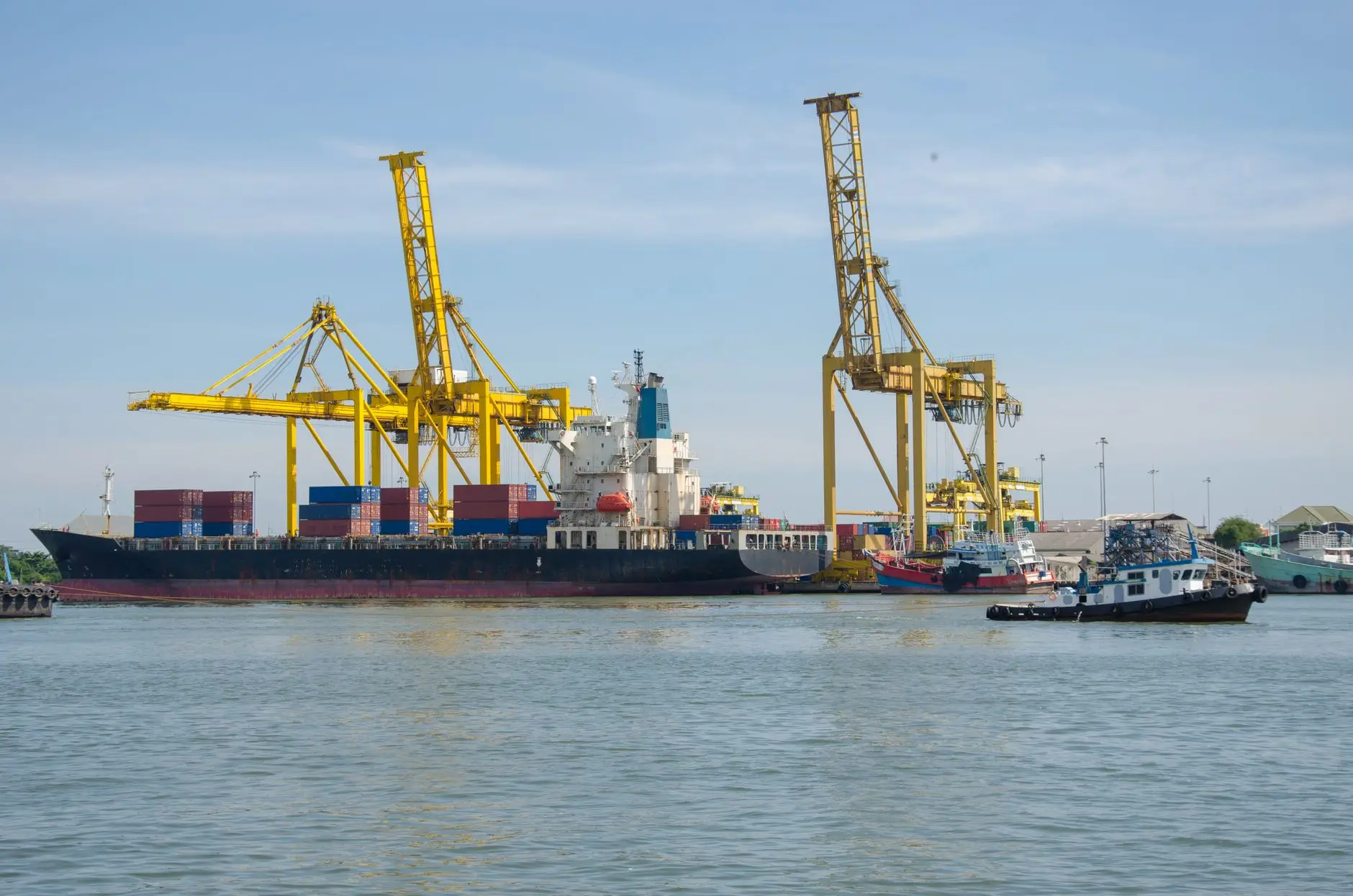
Commercial vessel operators navigating the Turkish Straits benefit from predictable transit rules due to Ankara's strict application of international maritime agreements. Maintaining closed straits to military warships preserves commercial traffic flow, ensuring that bulk goods and industrial supplies move through the Black Sea without military interference.
Outlook for Eurasian Trade and Shipping Corridors
Looking ahead, the combination of extensive rail funding and multi-nation trade agreements positions Türkiye as an indispensable land bridge for Eurasian trade. As rail modernization projects near completion over the coming years, transit times between East Asia and Southern Europe via the Middle Corridor are projected to narrow further, offering compelling alternatives to longer sea voyages around Africa or volatile northern routes.
Furthermore, Türkiye's leadership within Turkic economic frameworks will likely lead to digitized customs systems, unified freight documentation, and reduced administrative burdens at border crossings. Foreign enterprises that align their logistics networks with Türkiye's evolving transport infrastructure stand to gain significant efficiency, lower risk, and operational flexibility in their global supply chains.
Sources
- Türkiye pours $10B into Middle Corridor rail as wars upend old trade routes — Türkiye Today
- Greek PM calls Turkey-Libya maritime deal ‘void,’ urges Black Sea shipping truce: report — Turkish Minute
- Kazakhstan and Türkiye: Partners Across the Middle Corridor — The Times Of Central Asia
- Trilateral Black Sea talks: Coordination agreed, Türkiye to keep straits shut to warships — Shipping Telegraph
- Turkic states sign Ankara Declaration, Türkiye takes helm — Muslim Network TV
- EXCLUSIVE: Greek PM calls Turkey-Libya maritime deal 'void;' calls for global truce after Black Sea attacks — Reuters
Frequently asked questions
What is the Trans-Caspian Middle Corridor and why is Türkiye investing $10B in it?
The Middle Corridor is a multi-modal trade route connecting Asia to Europe via Central Asia, the Caspian Sea, the Caucasus, and Türkiye. Türkiye is investing $10 billion in rail infrastructure to upgrade capacity, reduce transit times, and establish itself as the central logistics bridge between East and West amid disruptions on alternative routes.
How does Türkiye's logistics hub expansion benefit foreign importers and buyers?
The expansion provides faster rail connectivity, lower freight delays, better intermodal connections between factories and ports, and diversified supply chains that bypass geopolitical conflict zones in northern Eurasia and traditional maritime bottlenecks.
What is the current policy regarding warship transit through the Turkish Straits?
Türkiye continues to enforce rules keeping the Turkish Straits strictly closed to military warships, preserving commercial shipping lanes and maintaining operational stability for cargo vessels operating in the Black Sea.
How does the Ankara Declaration among Turkic states affect international trade?
Signed under Türkiye's leadership within the Organization of Turkic States, the declaration focuses on streamlining customs procedures, harmonizing transit tariffs, and enhancing transport ties with partner nations like Kazakhstan to speed up cross-border trade.
What diplomatic tensions exist regarding maritime deals in the Eastern Mediterranean?
Greece has criticized the Turkey-Libya maritime boundary agreement, calling it void, while simultaneously advocating for international truces regarding Black Sea shipping safety. Despite these diplomatic discussions, commercial maritime operations continue under established international safety guidelines.
How does Kazakhstan collaborate with Türkiye on Middle Corridor freight transport?
Kazakhstan and Türkiye work closely as strategic partners to coordinate Caspian Sea vessel operations, align rail tariffs, and build unified transport infrastructure that speeds up container shipments between Central Asia and European markets.
More on this topic: Doing Business in Turkey: Company Setup, Tax and Compliance