Turkey Energy Investment: South Korea Sinop Plan
Turkish President Erdogan signals potential South Korean involvement in the Sinop nuclear project as market governance updates unfold.
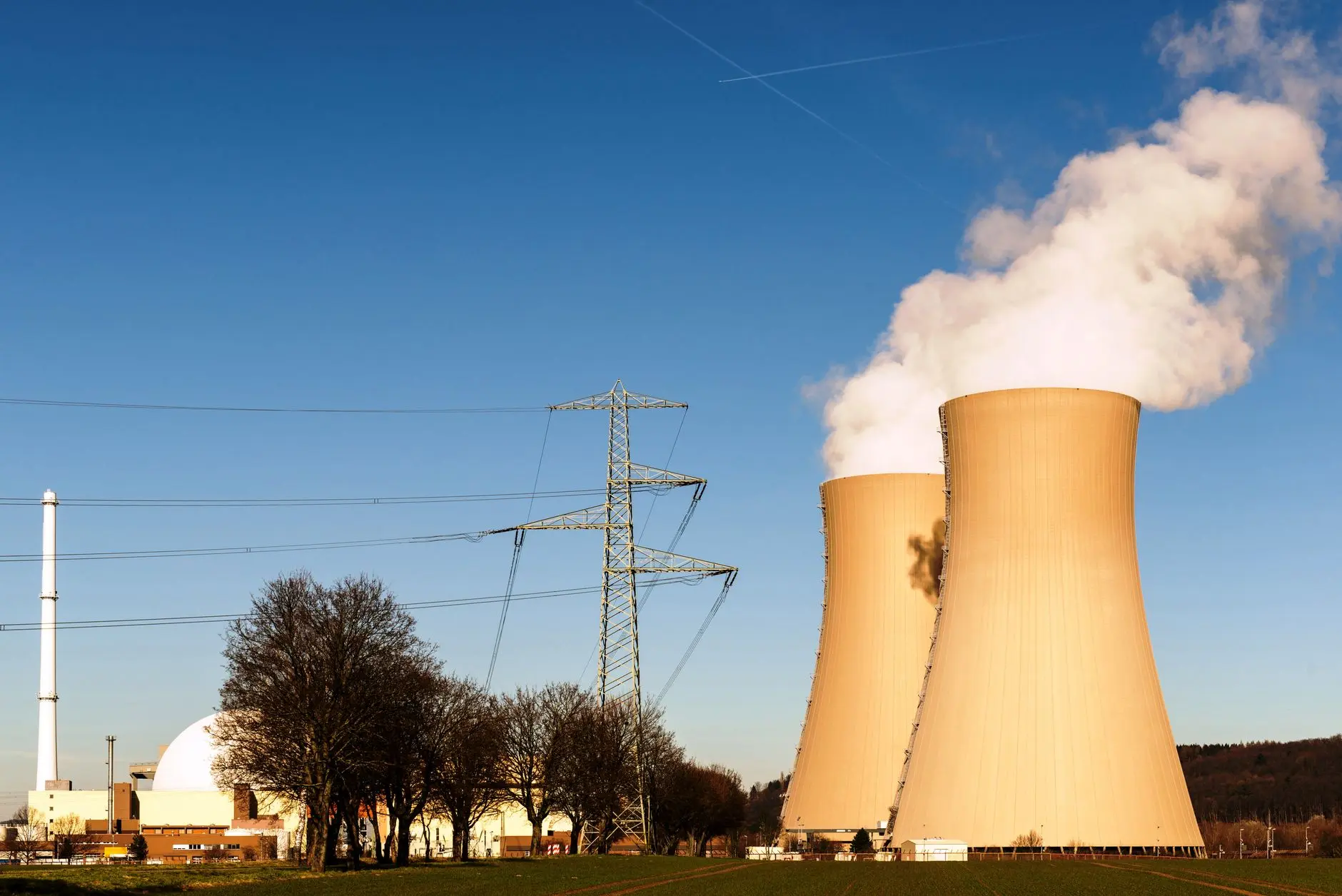
Turkish President Recep Tayyip Erdogan has announced that South Korea could serve as a key partner in Türkiye's planned Sinop nuclear power plant project, signaling renewed momentum for major energy infrastructure partnerships. The statement, initially reported by South Korea's Yonhap news agency and cited by Reuters and eKathimerini, comes as Turkish policymakers advance key domestic economic adjustments. Concurrently, Turkish authorities have appointed new leadership to the national capital markets regulator following a fund sector crisis, while commercial hubs such as Istanbul recorded a moderation in headline inflation despite lingering price pressures in October.
Key takeaways
- South Korea Nuclear Deal Under Consideration: Turkish leadership has indicated that South Korea could join as a partner in developing the proposed Sinop nuclear power plant.
- Capital Market Leadership Overhaul: Türkiye has installed new executive leadership at its capital markets regulatory agency following recent fund management challenges.
- Istanbul Inflation Moderates: Price data from Istanbul showed a deceleration in inflation during October, offering localized relief within the broader macroeconomic landscape.
South Korea Eyed for Sinop Nuclear Project
Türkiye is seeking to expand its international energy partnerships as it evaluates development plans for its second proposed nuclear power generation facility located in the northern province of Sinop. According to reports by Reuters and eKathimerini, citing South Korea's Yonhap news agency, President Recep Tayyip Erdogan publicly stated that South Korea could partner with Türkiye in the execution of the Sinop nuclear project. The project forms a central pillar of the country's long-term plan to diversify its national energy matrix, reduce reliance on imported fossil fuels, and meet rising industrial power demand across key manufacturing corridors.
International collaboration has long been essential to Türkiye’s nuclear ambitions. By potentially bringing South Korean technology providers and engineering conglomerates into the Sinop development, Türkiye aims to leverage international expertise in utility-scale nuclear construction. For multinational vendors, industrial suppliers, and heavy equipment manufacturers, any formal agreement between Ankara and Seoul would generate significant supply chain opportunities spanning civil engineering, grid integration, advanced manufacturing, and specialized component delivery.
The emphasis on large-scale infrastructure projects aligns with broader national policy focused on securing stable, low-carbon baseload energy for Turkish industry. Energy security remains a top operational concern for foreign investors and manufacturers operating production hubs inside Türkiye, where industrial power consumption continues to expand rapidly alongside export production.
Guide:Turkey Corporate Tax for Foreign Companies: Territorial Rule
Financial Governance Reforms and Inflation Dynamics
Beyond capital infrastructure, Turkish authorities are taking targeted measures to reinforce domestic economic and market governance. As reported by Daily Sabah, Türkiye has appointed new leadership to oversee its capital markets regulator following a recent crisis in the investment fund sector. Re-establishing supervisory confidence and establishing strict regulatory frameworks are seen as critical steps to protect investor capital, stabilize domestic financial asset markets, and maintain international investor engagement in Turkish financial instruments.
At the same time, regional economic data points to localized adjustments in price dynamics. According to Türkiye Today, consumer price inflation in Istanbul slowed during October despite persistent price pressures across the national economy. As Türkiye’s primary financial and commercial center, economic conditions in Istanbul provide a critical barometer for domestic consumer demand, commercial real estate leasing, and business operational costs.
Broader local commercial activity is also benefiting from shifting international travel patterns. According to Macau Business, an influx of independent Chinese travelers has helped boost Türkiye’s off-season tourism and local economic activity, supporting retail, hospitality, and service-oriented commercial segments outside traditional summer peak months.
What it means for foreign investors and international businesses
For foreign investors, procurement executives, and international firms operating in or doing business with Türkiye, these developments highlight key shifts across energy, financial governance, and local market operational environments:
First, potential foreign involvement in the Sinop nuclear project underscores expanding sub-contracting and equipment sourcing opportunities in Türkiye's energy sector. Global industrial suppliers operating in electrical equipment, heavy machinery, environmental technology, and project management can anticipate procurement demand if international technical partnerships are finalized.
Second, regulatory appointments at the capital markets authority reflect an emphasis on financial market oversight. For foreign institutional investors, commercial banks, and corporate treasury departments operating locally, enhanced market regulation provides greater policy clarity and capital security, reducing operational uncertainty when entering domestic fund markets or structuring local financing facilities.
Finally, moderating inflation indicators in commercial hubs like Istanbul offer a more predictable cost environment for local business overhead, corporate rentals, and wage negotiations. When paired with resilient service sector demand driven by off-season international travel, foreign companies managing subsidiaries or regional offices in Türkiye encounter a stabilizing commercial backdrop for operational budgeting.
Key Operational Factors for Foreign Companies
Navigating Major Infrastructure Opportunities
Foreign engineering and equipment suppliers looking to participate in Turkish infrastructure projects should track official bilateral agreements between Ankara and potential technology partners. Establishing local joint ventures or vendor registrations early allows international vendors to align with Turkish content requirements and public procurement rules.
Adapting to Financial Regulations
Firms managing treasury operations, private equity investments, or asset portfolios in Türkiye must monitor policy updates issued by the newly led capital markets regulator. Compliance departments should verify that local fund management structures and capital market transactions strictly conform to revised administrative standards.
Economic and Infrastructure Outlook
Looking ahead, Türkiye’s economic strategy remains focused on balancing industrial growth with market oversight and structural energy initiatives. The prospective inclusion of South Korea in the Sinop nuclear development highlights Türkiye's focus on international technical partnerships to meet its national energy goals. Meanwhile, institutional leadership changes in financial market supervision combined with stabilizing price trends in Istanbul indicate ongoing efforts to foster financial stability and support long-term investment across the Turkish economy.
Sources
- Erdogan says South Korea could partner in Turkey's Sinop nuclear project, Yonhap reports — Reuters
- Erdogan says South Korea could join Turkey’s planned nuclear power project — eKathimerini.com
- Inflation slows in Istanbul despite higher price pressures in October — Türkiye Today
- Türkiye names new markets regulator leadership after fund crisis | Daily Sabah — Daily Sabah
- Independent Chinese travelers boost Türkiye’s off-season tourism, local economy — Macau Business
Frequently asked questions
What is the latest proposal regarding Turkey's Sinop nuclear plant?
Turkish President Recep Tayyip Erdogan indicated that South Korea could partner with Türkiye to build the planned Sinop nuclear power plant, according to reports citing South Korea's Yonhap news agency.
Why is South Korea being considered for the Sinop project?
South Korea possesses established nuclear engineering and technical capabilities, making it a viable potential partner for Türkiye as the country seeks experienced international collaborators to construct utility-scale energy infrastructure.
Why did Türkiye appoint new leadership to its financial markets regulator?
According to Daily Sabah, Türkiye appointed new leadership to its capital markets regulatory authority following a fund market crisis, aiming to strengthen market supervision and institutional investor confidence.
What did recent inflation data reveal about Istanbul's economy?
Data reported by Türkiye Today shows that inflation in Istanbul slowed in October, providing localized relief even as broader economic price pressures persist.
How are off-season tourism trends affecting the Turkish economy?
As reported by Macau Business, independent Chinese travelers are contributing to off-season tourism growth, providing revenue support to local commercial businesses and hospitality providers outside peak summer periods.
More on this topic: Doing Business in Turkey: Company Setup, Tax and Compliance